Harvard developers have made an AI app to help visually impaired users navigate
A new Harvard-developed AI app helped visually impaired users complete an outdoor route faster and make less contact with obstacles in early testing.
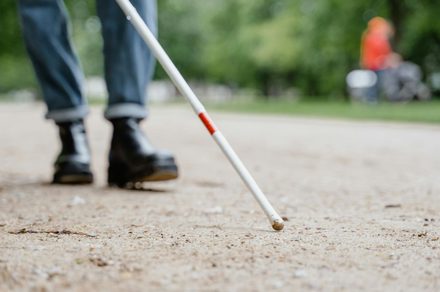
Harvard researchers have developed an AI-powered app called Mobilio to assist visually impaired users with navigation. The app leverages a smartphone's camera, GPS, motion sensors, and LiDAR to help users follow routes, stay on walkable paths, and avoid obstacles. Mobilio was created after surveying over 100 blind and low-vision individuals to understand their needs in navigation technology.
Early testing shows promising results, with Mobilio paired with a white cane helping users complete an outdoor route about 13% faster than Google Maps with a cane, and reducing contact with obstacles by roughly 41% on indoor courses. Unlike traditional navigation apps, Mobilio continuously analyzes the surroundings through the phone's camera, providing directional cues based on individual responses.
The researchers trained the computer-vision model from a pedestrian perspective, addressing limitations in existing datasets. While still experimental, Harvard plans wider testing in Boston and explores potential future developments.
Brief written by urgent.news from Digital Trends's own syndicated text. Machine-written — may contain errors; check the original before relying on it.