H1N1 rise: What precautions parents need to know
Delhi has seen over 1,777 cases of H1N1 this year, with 114 reported on Thursday alone, according to the city's health department. The capital has recorded a total of 2,602 flu cases, with 2,392 cases of Influenza-A and 210 cases of Influenza-B. The increase in cases has led the Delhi government to release a health advisory, urging residents to practice respiratory hygiene, avoid crowded areas, and consult a medical professional if symptoms appear.
The health department has intensified its monitoring of influenza-like illness (ILI), severe acute respiratory infection (SARI), influenza, and COVID-19 cases across hospitals and districts. Parents and families should be aware of common symptoms such as fever, cough, sore throat, headache, and body aches. In some cases, patients may also experience difficulty breathing. It is advised that individuals seek medical advice instead of self-medicating.
Those with higher risks of complications, such as children and senior citizens, should be particularly vigilant for any signs of worsening or persistent symptoms. While seasonal influenza, including H1N1, is typically self-limiting, these groups may face more severe outcomes. The Indian Council of Medical Research (ICMR) has reported that no new H1N1 strain has been identified, and the circulating strains are well-matched with the recommended vaccine strains for the Northern Hemisphere.
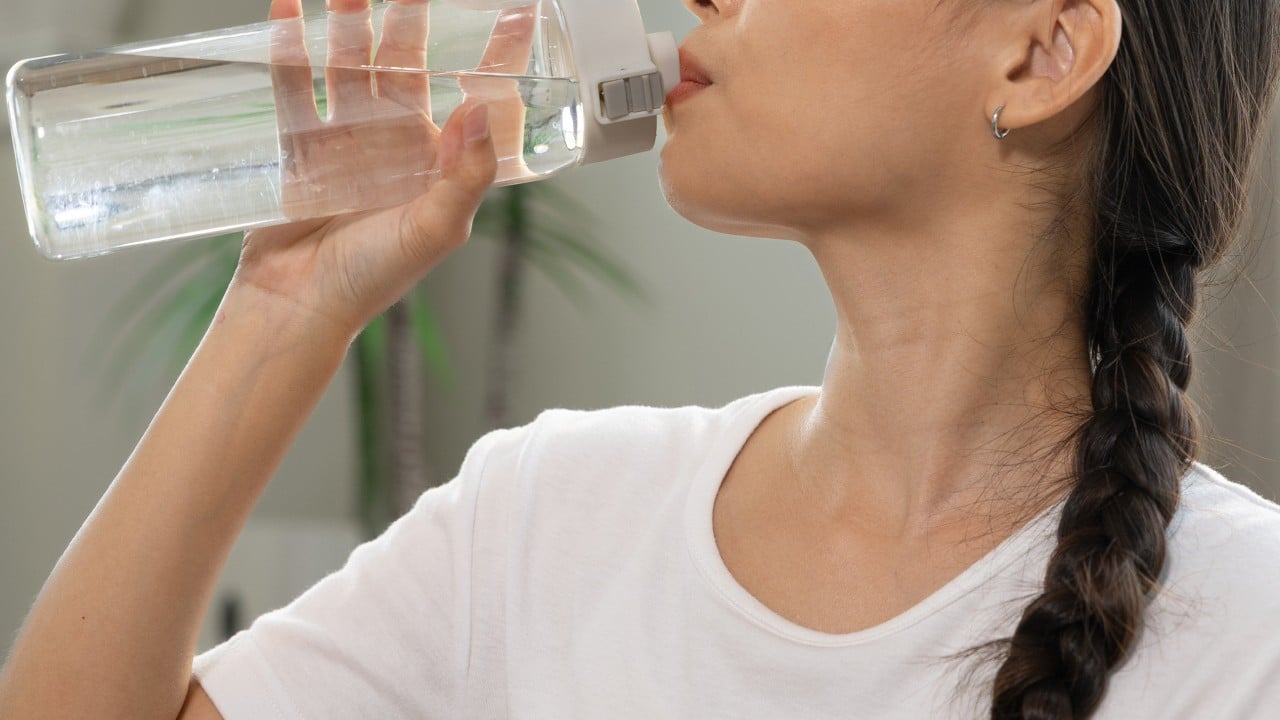
To prevent the spread of H1N1, the Delhi health department recommends covering one's mouth and nose when coughing or sneezing, washing hands regularly, wearing masks in crowded places, and avoiding close contact with individuals suffering from respiratory infections. Additionally, it is essential to avoid touching the eyes and nose and not to spit in public areas. Adequate fluid intake is also advised.
The Delhi government has placed 35 hospitals under special surveillance to monitor the seasonal influenza situation, with AIIMS and the National Centre for Disease Control (NCDC) designated as referral laboratories. Hospitals are equipped with sufficient beds, doctors, medications, and essential medical equipment to manage the surge in cases.
Union Health Minister J P Nadda reviewed the H1N1 situation and healthcare preparedness, ensuring that authorities are monitoring the patient tally and strengthening hospital arrangements accordingly. The Ministry of Health's post on Swine Flu (H1N1) can be found here.
Written by urgent.news from The Economic Times's reporting — not their text. Machine-written — may contain errors; check the original before relying on it.