Govt forms high-powered body to break deadlock over Iran-Pakistan gas pipeline amid penalty threats
ISLAMABAD: With millions of dollars in potential penalties looming, the government has constituted a high-powered committee to find a “mutually acceptable” way out of the decades-old impasse over the Pakistan-Iran gas pipeline, as it weighs the cost of penalties against the country’s growing energy needs. Petroleum Minister Ali Pervaiz Malik told the Senate on Tuesday that Prime Minister Shehbaz…
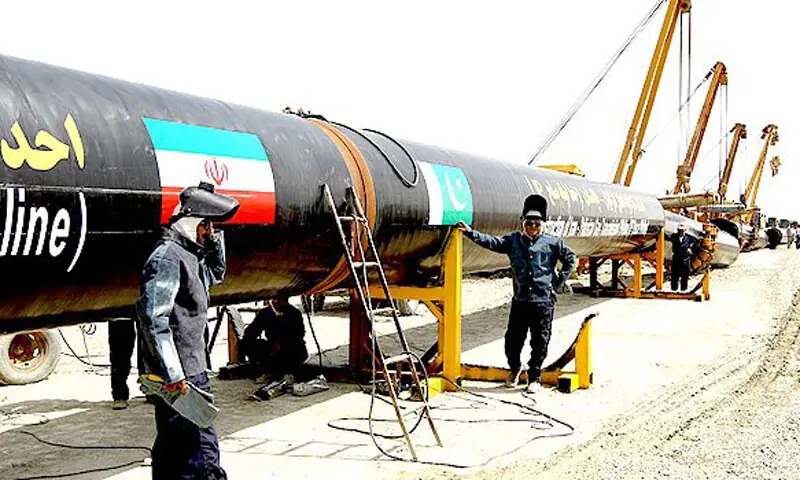
Islamabad - Amid looming millions in potential penalties, the Pakistani government has formed a high-powered committee to resolve the decades-old deadlock over the Pakistan-Iran gas pipeline project. Petroleum Minister Ali Pervaiz Malik informed the Senate that Prime Minister Shehbaz Sharif had established the committee to explore the project's legal, financial, and energy aspects and recommend a course of action in Pakistan's best interest.
Senator Talha Mahmood pointed out that the project had been stalled for two decades, with Iran having already laid pipeline up to the Pakistani border. He asked about Pakistan's readiness to receive Iranian gas upon sanctions' lifting and the progress made on its side of the pipeline. Senator Mahmood inquired whether Pakistan could immediately integrate Iranian gas into its system and estimated the timeframe for making the pipeline operational post-sanctions.
The committee's case has been referred to an arbitration tribunal in Paris under the Gas Sales Purchase Agreement signed in 2009, which obliges Pakistan to complete its 781km pipeline by December 2014. The deadline has since been extended, but Pakistan faced US sanctions and a lack of financing, preventing it from commencing construction on its territory. Iran had completed its section years ago.
In 2023, Iran filed a formal notice seeking damages for the delay, with estimates suggesting the claim could exceed billions of dollars. The dispute is now under arbitration. The committee is assessing Pakistan's potential liability, the implications of litigation, and the nation's future energy requirements, in order to find a negotiated settlement with Tehran. The minister emphasized that Pakistan aims to avoid further complications from litigation and would pursue an amicable settlement acceptable to both parties.
Written by urgent.news from Dawn's reporting — not their text. Machine-written — may contain errors; check the original before relying on it.
This story
This is one outlet's version. Read the fullest account.