Gold mine that produced 41 million ounces now houses America's deepest lab
A former gold mine in South Dakota has been transformed into a major underground science facility. The Homestake Mine once produced about 41 million ounces of gold and 9 million ounces of silver, but today its tunnels are used to study some of the Universe’s biggest mysteries. Scientists conduct experiments searching for dark matter, neutrinos and rare radioactive decay, while also researching…
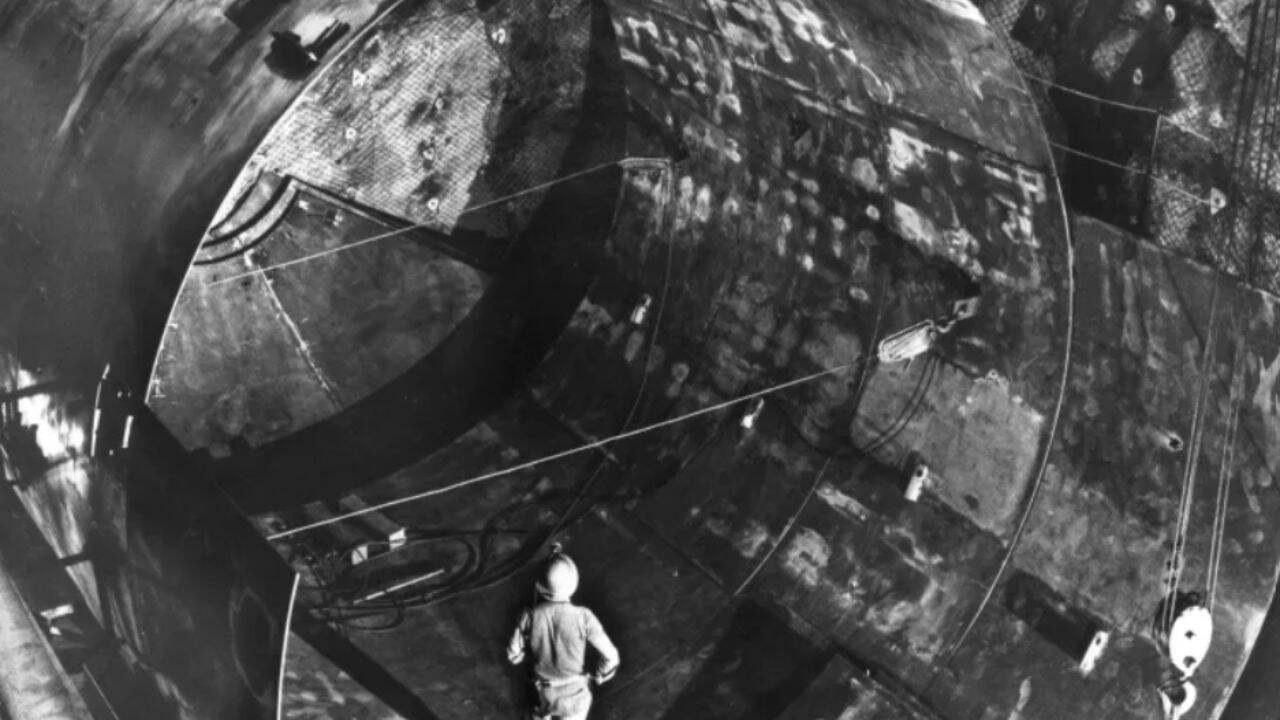
The Homestake Gold Mine in Lead, South Dakota, once produced substantial amounts of gold and silver before closing in 2001. That same property is now home to the Sanford Underground Research Facility, a deep underground laboratory studying some of the biggest scientific mysteries. Owned by businessman T Denny Sanford and with significant local investment, the facility opened in 2007 and sits 4,850 feet below the Earth's surface. It is now the deepest underground laboratory in the United States.
Scientists have conducted various experiments within the facility over the years. Notably, physicist Raymond Davis Jr began an experiment in the 1960s to detect solar neutrinos, receiving a Nobel Prize for his efforts. More recently, large-scale physics experiments such as LUX and LUX-ZEPLIN have searched for evidence of dark matter, a mysterious substance believed to exist but not directly observable. These experiments rely on the facility's deep environment to shield them from interference.
Other research at the facility has explored rare radioactive decays, potential applications for clean energy, and even the search for life on Mars. Geologists also study underground fluid movement to contribute to understanding geothermal energy. The facility not only advances scientific knowledge but also supports civil and mining engineering training and mine rescue operations.
Written by urgent.news from Times of India's reporting — not their text. Machine-written — may contain errors; check the original before relying on it.