GIMAT calls for stronger parent-school collaboration to support girls’ health and development
The Summit Lead and International Coordinator of the GIMAT Volunteer Network, Fortune Morkporkpor Adalevo, has called for stronger collaboration between parents, schools and communities to bridge knowledge gaps among girls on issues affecting their health and development.
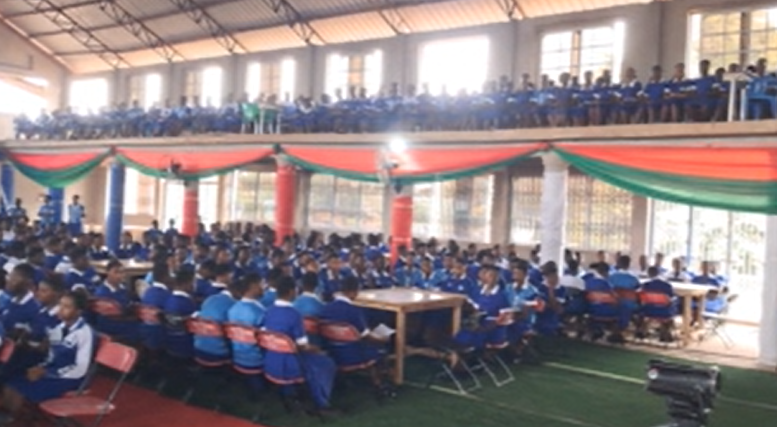
Fortune Morkporkpor Adalevo, the Summit Lead and International Coordinator of the GIMAT Volunteer Network, has emphasized the need for stronger collaboration between parents, schools, and communities to enhance girls' knowledge about health and development. Despite technological advancements, many girls, especially those in underserved communities, still lack essential information about their bodies, reproductive health, and other critical issues.
At the Biology of the Girl Child Summit held at the Presbyterian Senior High School in Berekum, Ghana, the summit, organized by the GIMAT Volunteer Network, provided education and empowerment to over 1,500 girls on reproductive health, abortion, common infections, cervical cancer awareness, and the safeguarding of the girl child.
The summit also focused on personal development, encouraging participants to understand and value their bodies.
Ms. Adalevo stressed that the responsibility of educating girls cannot rest solely on parents or schools. She highlighted the importance of strengthened communication between parents and children, as well as between teachers and students, to prevent girls from falling prey to misinformation and making risky decisions. The GIMAT Volunteer Network is striving to reach more girls across the country, although resource and logistical constraints hinder their ability to cover all regions promptly.
Dr. Angel Abena Tiwaa Acheampong, a Medical Doctor at the Berekum Holy Family Hospital, cautioned girls against the dangers of unsafe abortion and urged them to seek professional medical care in case of unintended pregnancies. She emphasized the significance of creating safe environments where girls can openly discuss their concerns without fear of judgment or rejection.
Dr. Acheampong highlighted that early access to appropriate medical care could prevent girls from resorting to hazardous procedures that could lead to severe complications. The summit was crucial in equipping girls with information on preventing unintended pregnancies and encouraging them to seek assistance from trusted adults and health professionals when needed.
Participants expressed that the program had expanded their knowledge and provided practical lessons on personal development and health. One participant appreciated the session on being a "classy lady," as it helped her develop her character and conduct herself appropriately in various settings. Another participant gained insights into infections and appropriate ways of interacting with colleagues both in and out of school.
The summit aims to address reproductive health challenges among adolescent girls in the Bono Region, where 1,188 abortion cases were reported among girls aged 15 to 19 between 2021 and 2024. Organizers believe that ensuring girls have access to accurate information and supportive environments will help them make informed decisions about their health and overall well-being.
Written by urgent.news from MyJoyOnline Ghana's reporting — not their text. Machine-written — may contain errors; check the original before relying on it.