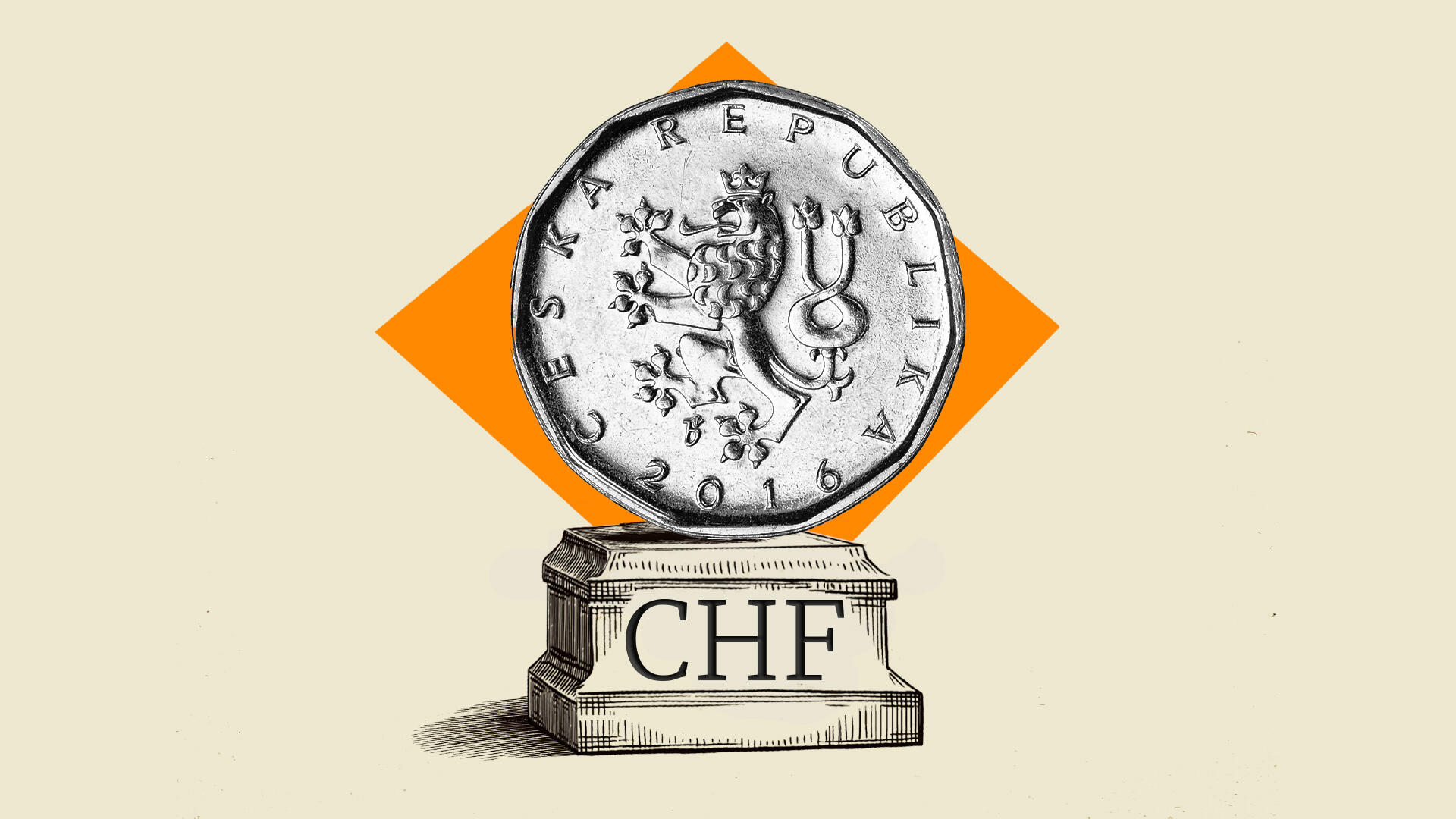
Geld: Der Millionenerbe, der die Millionen nicht will
Kai Viehof hat den Großteil seines Erbes ausgeschlagen, auch vom Rest will der Enkel des Allkauf-Gründers das meiste weggeben. Über einen Mann, dessen Beruf es ist, sinnvoll Geld loszuwerden.
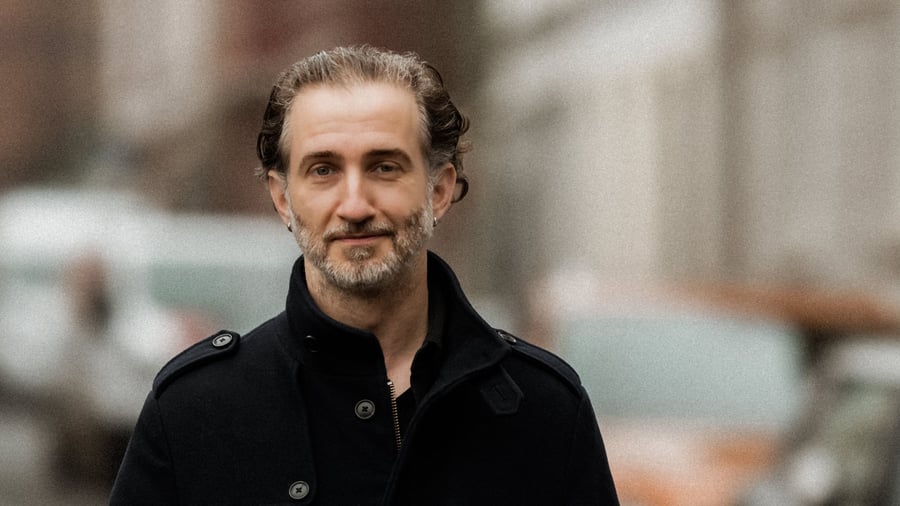
Kai Viehof, a self-made millionaire entrepreneur, is not your typical billionaire. Standing at modest height with a neatly trimmed beard, he appeared on the ARD talk show "Hart aber fair" to discuss the topic of inheritance with a measured demeanor. Viehof's grandfather founded the retail chain "Allkauf" in the 1960s, which he sold to Metro AG in 1998 for around one billion marks. However, Viehof declined his share of the inheritance when it was his turn to receive it.
The 44-year-old Mönchengladbach resident is now part of a new group of billionaires who prefer to distribute their wealth rather than accumulate more. This group includes Sebastian Klein, author of the book "Toxisch reich," and Marlene Engelhorn, whose family founded the BASF chemical company. Over half of all private wealth in Germany comes through inheritance or gifts, according to the German Institute for Economic Research.
Only the United States and China have more super-rich individuals than Germany, with 27% of Germany's financial wealth coming from such sources.
Viehof decided to make his wealth public, explaining that he did not want to accept that questions about wealth distribution are dismissed as "jealousy debates." Instead, he views this as a central debate that those who have gained their wealth through the system should engage in. This includes Viehof himself, who has decided to donate or invest seven-eighths of the medium-sized million-dollar inheritance he already received in a socially responsible manner.
Viehof, who learned accounting while working as a tax consultant, is now primarily focused on spending his wealth wisely. He intends to donate or invest this money in companies that prioritize societal impact over financial return. His ultimate goal is to spend his wealth until it runs out, at least mostly. Viehof made his decision to donate his wealth when he was 17, soon after his family sold their business.
He has always seen rich and poor as two sides of the same coin, and his father had given him stocks and other assets worth around a medium-sized million-dollar inheritance at that time. Viehof admits he was unaware of the full value of his assets at the time and would reject them today if given the choice.
In his youth, Viehof even considered becoming involved in development aid. The contrast between wealth and poverty has always fascinated him, and his father, like his grandfather, Eugen, had given him stocks and other assets that are worth around a medium-sized million-dollar inheritance at the time. Viehof admits he was not entirely aware of the value of these assets when he signed the documents. He would now reject them if given a choice.
Written by urgent.news from Handelsblatt's reporting — not their text. Machine-written — may contain errors; check the original before relying on it.
Also reported by 1 other outlet
- Money: The millionaire heir who doesn't want the millions handelsblatt.com