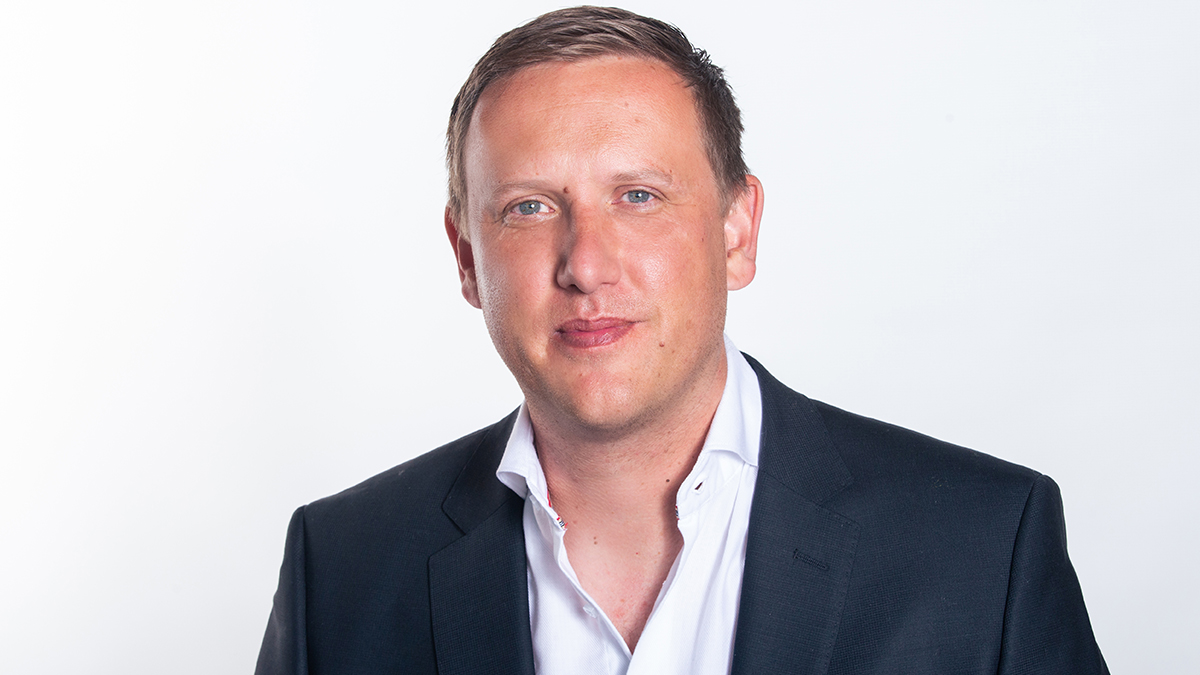
From Scotland, I look at England’s water privatisation disaster. I wish you had done what we did | Devi Sridhar
Listening to debate, you’d think bringing English water companies into public ownership was a radical socialist idea. Here, we call it common sense Prof Devi Sridhar is chair of global public health at the University of Edinburgh Every few months, there are more shocking headlines about the behaviour of England’s water companies. The latest are about the ever-increasing pay of the chief…

Reading through the ongoing debates, one might assume that transferring England's water companies to public ownership is a radical socialist notion. Here, it is simply referred to as a sensible approach. Dr. Devi Sridhar, who is the chair of global public health at the University of Edinburgh, believes that this common sense strategy has been overlooked. Every few months, new shocking headlines emerge about the behavior of England's water companies.
The latest controversy revolves around the skyrocketing salaries of top executives and financial officers, who together earned £25.3 million across 14 companies in the past year. At the same time, residents of England are grappling with higher water bills and the discharge of untreated sewage, often illegally, into beaches and lakes.
Companies like Thames Water are facing the possibility of insolvency and are seeking government support. This predicament is not surprising, given that England's water companies have a history of prioritizing shareholder interests over customer well-being. From their viewpoint, privatization has been a remarkable success.
Between 1991 and 2019, the dividends paid to shareholders of the parent companies amounted to £57 billion, which averages out to over £2 billion annually. Most of these private parent companies are foreign-owned, meaning that the profits are not even retained within Britain.
Written by urgent.news from Guardian Business's reporting — not their text. Machine-written — may contain errors; check the original before relying on it.