From petri dish to pasture: The story of Assam’s first IVF-born Lakhimi calf
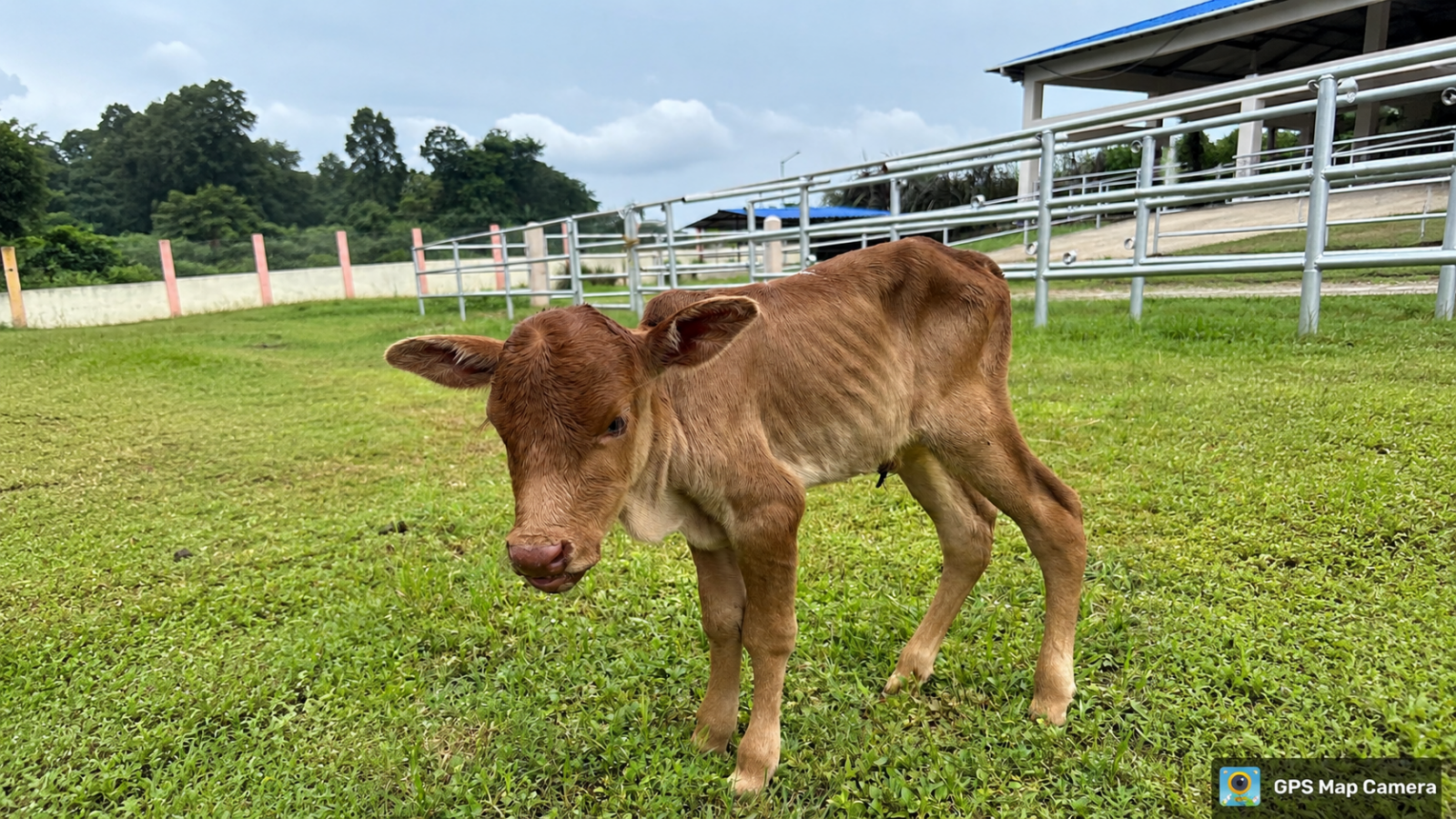
In a groundbreaking achievement, scientists in Assam have successfully given birth to the world's first IVF-born calf of the indigenous Lakhimi breed. Lakhimi is a native Assamese cattle breed renowned for its disease resistance and heat tolerance, crucial qualities in the face of rising global temperatures. Dr. Manna Baruti, the in-charge of the IVF laboratory at Assam Veterinary and Fishery University, emphasises that Lakhimi cows are shorter, providing essential milk for local farmers.
The IVF process ensures that the pure genetic makeup of the Lakhimi breed is preserved, avoiding the dilution that often occurs through traditional cross-breeding. This method allows for the rapid dissemination of the breed's superior qualities among farmers. Dr. Bibeka Nanda Saikia, Dean of the Faculty of Veterinary Science at AVFU, explains that natural breeding might not guarantee the desired traits, as the genetic quality of the semen is unpredictable.
The IVF process involves collecting an egg from a pure Lakhimi female and sperm from a pure Lakhimi bull, combining them in the laboratory, and allowing the embryo to develop for seven days. The embryo is then transferred to a surrogate cow, which carries the pregnancy to term. Despite being developed in a lab, the calf's development period mirrors that of a naturally born calf, with a seven-day gestation after embryo transfer.
The Assam laboratory has already produced nearly 182 embryos, transferring around 81, resulting in 37 pregnancies. The project, funded by the Centre’s Rashtriya Gokul Mission, aims to conserve indigenous breeds, transfer elite embryos to farmers, and provide high-quality bulls for artificial insemination. The laboratory, now bio-secured and sophisticated, is expected to produce more calves, potentially benefiting up to 30 farmers with superior cattle genetics.
Written by urgent.news from The Indian Express's reporting — not their text. Machine-written — may contain errors; check the original before relying on it.