Freedom Park in Williamsburg, Virginia
At first glance, Freedom Park seems like simply a peaceful escape into nature. Mountain bikers weave through miles of trails. Families picnic beneath pine trees. Birdsong replaces traffic. But if you look closer, you'll discover there’s much more to the site than playgrounds and hiking paths. It was home to one of the earliest known free Black settlements in colonial Virginia. The community’s…
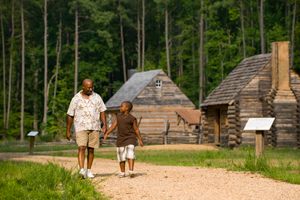
At first glance, Freedom Park in Williamsburg, Virginia appears to be a tranquil natural retreat. Mountain bikers traverse miles of trails, families picnic beneath pine trees, and the only sound is the birdsong. However, upon closer inspection, it becomes evident that the park holds a deeper historical significance. It was once home to one of the earliest known free Black settlements in colonial Virginia.
The community's history dates back to the early 19th century. After the death of plantation owner William Ludwell Lee, he freed his enslaved workers and bestowed upon them land as part of his estate. From 1803 to 1860, these formerly enslaved individuals built farms, established churches, raised their children, and created a thriving community that endured for generations.
Today, historians and descendants recognize the settlement as one of the nation's earliest documented free Black communities. To honor this remarkable history, the park features exhibits and educational signage. A Virginia historical marker near the entrance introduces visitors to the settlement, while the trails themselves provide opportunities for hiking and cycling.
Alongside these recreational activities, the park showcases reconstructions of the community's early Black landowners' homes and the lives of their descendants. By integrating history into the park's attractions, Freedom Park encourages visitors to engage with both the recreation and the profound history that surrounds them. Here, a morning hike becomes an opportunity to reflect on the footsteps of those who came before, fostering a deeper understanding of the park's significance.
Written by urgent.news from Atlas Obscura's reporting — not their text. Machine-written — may contain errors; check the original before relying on it.