Firms tap AI and sensors to boost indoor farming as Japan faces farmer shortage
The government is promoting the adoption in agriculture of advanced technologies, with a target of ¥4.6 trillion in public and private investment by fiscal 2040.
Japan is grappling with a shortage of farmers as companies adopt artificial intelligence and sensor technology to enhance the efficiency of indoor farming. Oishii Farm, a strawberry factory in the United States, recently established a research and development base in Tokyo's Hamura city. The company aims to develop efficient indoor crop cultivation methods, such as tomatoes, and robotic systems for automated planting and packaging.
Oishii Farm utilizes AI to manage bee breeding environments, significantly improving pollination rates to 95%.
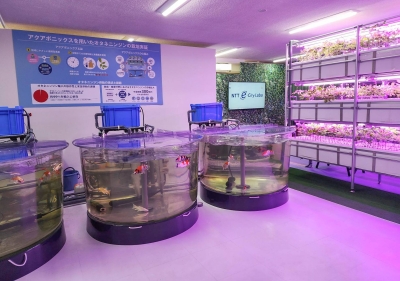
Telecommunications operator NTT East also joined the indoor farming initiative, launching an aquaponics test in Tokyo. This system combines fish farming and hydroponics, allowing for rapid cultivation periods of just months compared to traditional outdoor farming. By controlling lighting and temperature with AI and sensors, NTT East aims to transform discarded plant material into valuable products using fish feces as fertilizer.
The agriculture ministry predicts a decline in farmers specializing in agriculture from around 2.05 million in 2010 to 980,000 in 2026.
To ensure agricultural production remains stable, the government encourages involvement from other sectors and promotes advanced technology adoption. Japan currently hosts approximately 440 plant factories, a 40% increase from a decade ago, yet many operators struggle to achieve profitability due to high initial investments and electricity costs.
Despite these challenges, plant factories offer significant advantages, including year-round production unaffected by seasons or weather, ultimately benefiting the agricultural sector.
Written by urgent.news from Japan Times's reporting — not their text. Machine-written — may contain errors; check the original before relying on it.