Finanzpolitik: Zuckersteuer für mehr Produkte? Streit in Bundesregierung
Die Bundesregierung plant eine Zuckersteuer. Aber wie genau soll sie aussehen?
A dispute has emerged within the German federal government over the specific scope of the planned sugar tax, according to reports. The "Bild" newspaper, citing a document from the Finance Ministry, states that plans exist for the sugar tax to apply to more products than initially intended. The Agrarian Ministry has expressed opposition, arguing that the "pilot paper" goes beyond recommendations made by a commission led by the Health Ministry.
The Finance Ministry has stated that the federal health ministry is leading the initiative. Health Minister Carsten Linnemann (CDU) confirmed to the German Press Agency that a coalition agreement was reached during the coalition council meeting, which applies to him as the new health minister. The current discussions are focused on the implementation of the tax.
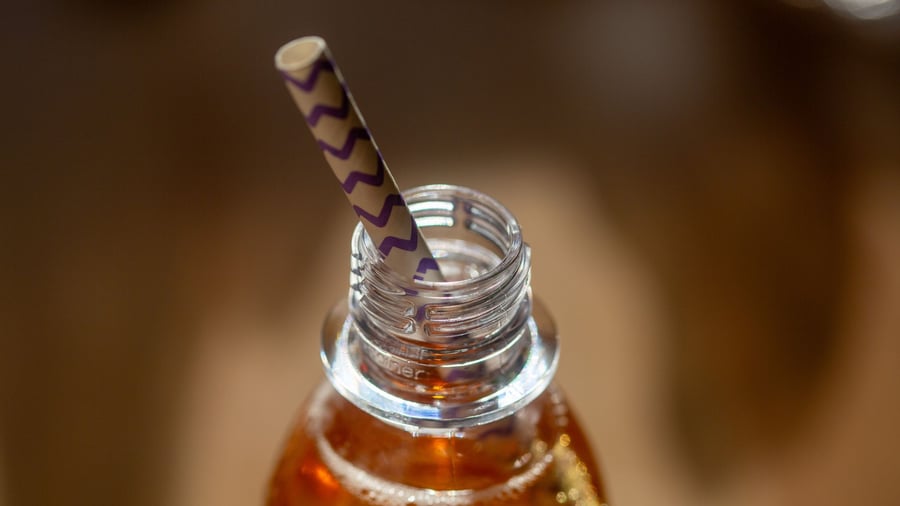
The Finance Ministry's "pilot paper," written by Ressortchef Lars Klingbeil (SPD), suggests that the sugar tax could be applied to a wide range of products, including juices, milk drinks, iced tea, beer mix drinks, oat drinks, and instant coffee. The tax would target "beverages with sugar and/or sweeteners" and "sugar/sweetener-containing granules."
Non-taxed items would include 100% fruit juices and pure milk. The paper also states that the "sugar beverage tax" should achieve both a deterrent effect on reducing sugar content in beverages and generate revenue for the federal budget. However, the Union faction in the Bundestag is not fully on board with the plans. Union health spokesperson Simone Borchardt explicitly opposes taxing zero-beverages, stating that such a rule deviates from the actual health policy goal and undermines agreed coalition objectives.
The Agrarian Ministry has also raised concerns, submitting a reservation against the "pilot paper" stating that it goes beyond the recommendations of the "Finance Commission on Health," which includes more than just sugar-sweetened beverages, such as fruit juices from concentrates, fruit nectars, milk drinks, plant-based milk alternatives, non-alcoholic beers and wines, and mix drinks.
The tax would also cover beverages with artificial sweeteners. Economic and Agrarian Ministry calculations suggest that the expected revenue from the sugar tax alone, around two billion euros per year, would significantly exceed the planned 650 million euros for stabilizing the statutory health insurance by 2027 and at least 450 million euros annually from 2028 onwards.
Consumer advocates support Klingbeil's stance, emphasizing that all beverages with added sugar or sweeteners should be included in the tax to promote healthier diets. The tax is seen as crucial for health prevention and should not be used as a budget repair tool. The consumer organization Foodwatch also approves of the government's ambitious plan, calling it a significant step for the health of children.
Germany has already lost too much time in its fight against diet-related diseases. According to the AfD, a sugar tax is not desirable. The financial policy spokesperson of the AfD parliamentary faction, Kay Gottschalk, argues that the government should not dictate what citizens should drink and subsequently tax them. FDP leader Wolfgang Kubicki stated that the state is not a parent figure and that imposing a tax increase with over 30% price hikes during a period of reducing citizen burdens is not justifiable.
Written by urgent.news from Handelsblatt's reporting — not their text. Machine-written — may contain errors; check the original before relying on it.