Fertiliser Subsidy Spending Hits 56% Of FY27 Budget In 4.5 Months Amid High Global Prices
India's fertiliser subsidy expenditure has surged in the opening months of the current financial year, with the government using nearly 56% of its annual allocation within the first four-and-a-half months. Higher international prices of finished fertilisers and LNG, a key feedstock for domestic urea manufacturing, have contributed to the rise in spending. According to a report by Business…
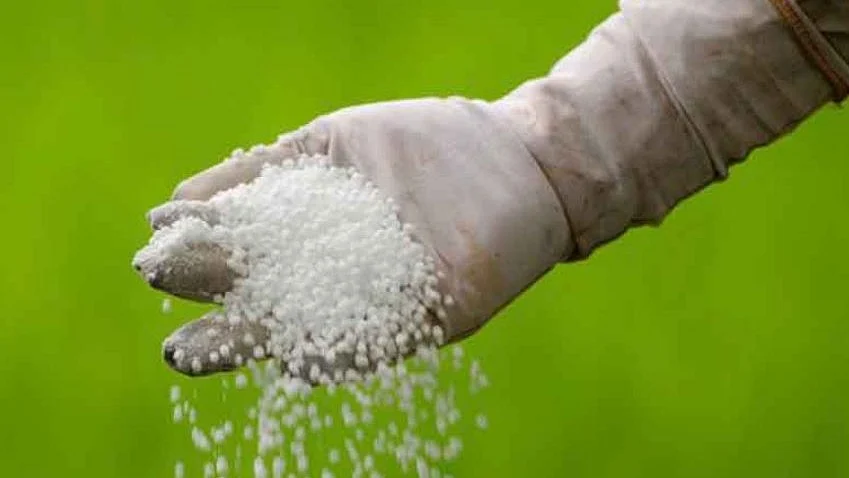
India's fertiliser subsidy expenditure has skyrocketed in the first four and a half months of the current financial year, consuming nearly 56% of the entire annual allocation. This surge in spending can be attributed to the sharp rise in international prices of finished fertilisers and LNG, a crucial ingredient for domestic urea production.
According to a recent report by Business Standard, the government has spent around ₹99,000 crore so far, prompting fears that the fertiliser subsidy could surpass the budgeted amount of ₹1.77 lakh crore for the fiscal year 2027 (FY27).
The majority of this expenditure—around ₹77,871 crore—has been directed towards urea, encompassing both imports and domestic production. A significant portion, approximately ₹21,255 crore, has been spent on other fertilisers such as DAP, Muriate of Potash (MoP), and NPK, both imported and manufactured domestically. Initially, the government feared an unprecedented rise in subsidy requirements due to escalating global fertiliser and energy prices, triggered by geopolitical tensions between the US, Iran, and Israel.
However, the situation has improved in recent months as international urea prices have dropped substantially from their April peak. The landed price of imported urea has decreased by around 60% to $390 per tonne, compared to nearly $1,000 per tonne in April.
India's reliance on imports remains substantial, with roughly 70% of domestic fertiliser needs sourced through imports. Consequently, government subsidy expenditure is highly vulnerable to fluctuations in international commodity prices, shipping costs, and geopolitical events. In the fiscal year 2026 (FY26), India consumed over 700 lakh tonnes of various fertiliser products, underscoring the immense scale of the country's agricultural input requirements.
Written by urgent.news from Free Press Journal's reporting — not their text. Machine-written — may contain errors; check the original before relying on it.