Experiencing turbulence: Gulf air hubs weather wartime downturn
After six months of war in the Middle East, the Gulf's major aviation hubs are navigating turbulence as a hefty portion of their lucrative transit traffic opts for other airports such as Istanbul...
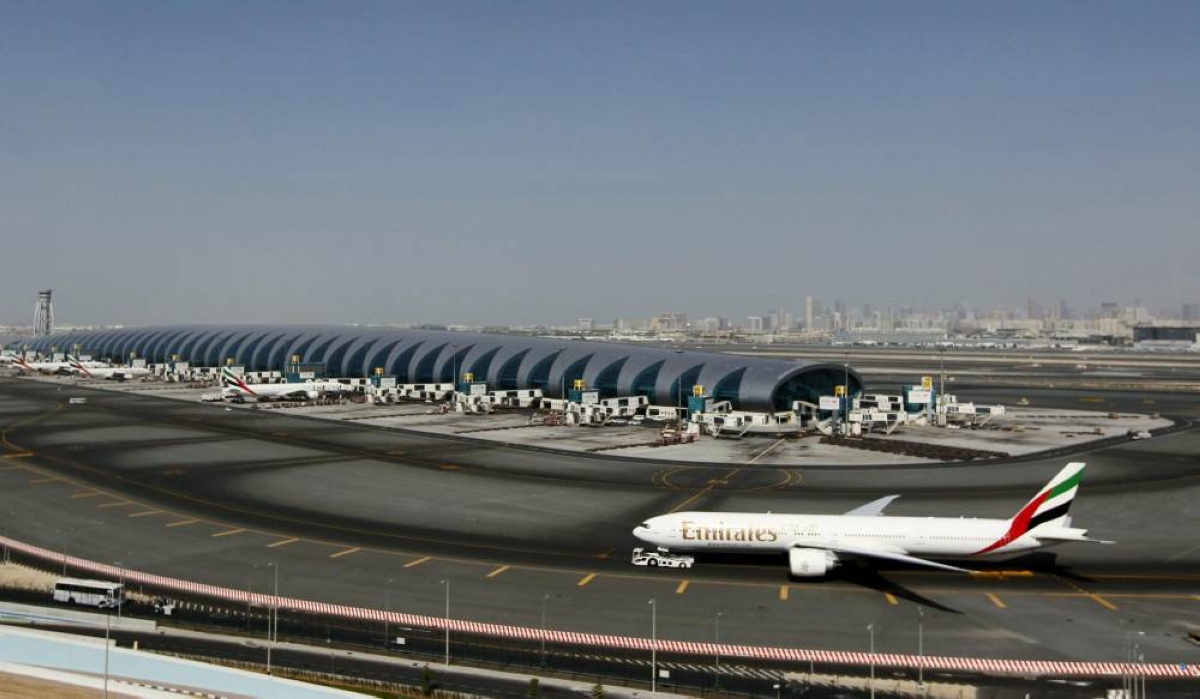
Since the onset of conflict in the Middle East six months ago, the region's key airports have faced turbulence as a significant portion of lucrative transit traffic has shifted to other airports like Istanbul. Business for Middle Eastern airlines, measured by passenger kilometres, dropped 30% between April and June, with a near 50% decline on routes to Europe, according to the International Air Transport Association (IATA).
In August, Dubai saw a 15% year-on-year decrease in scheduled flight seats, the most among the world's top 10 airports, though the UAE hub retained its status as the top international airport globally. The impact on the Gulf is substantial as connecting travel was a cornerstone of the region's economic strategy; nearly one in six connecting passengers worldwide passed through the Middle East last year, accounting for a majority of traffic at Dubai, Abu Dhabi, and Doha.
War restrictions over Iran and Iraq have adversely affected the region, prompting risk-averse European carriers to cut services, making Turkish Airlines the primary beneficiary. With Turkish airspace now off-limits to many Western airlines, Istanbul's strategic location has attracted a steady stream of traffic, positioning it as the global hub of air transport.
Turkish Airlines' customer base has surged by 5% since the conflict began, with a 6% increase on European routes and a 16% rise for East Asia, thanks to a modern airport and expanding product. However, the long-term resilience of Gulf hubs depends on whether passengers revert to normal post-conflict travel. While IATA initially viewed the traffic diversion as temporary, prolonged hostilities could solidify these new aviation habits.
Future aircraft capable of direct flights between secondary cities, such as United Airlines' Washington to Toulouse route, could further undermine the Gulf hubs' reliance on connecting flights. Additionally, ultra-long-haul flights like Qantas' planned 22-hour non-stop Sydney to London service could displace stopover traffic, posing a long-term threat to the Gulf aviation landscape.
Written by urgent.news from Gulf Times Business's reporting — not their text. Machine-written — may contain errors; check the original before relying on it.