Epcor mulls accelerated storm-water resilience plan after Edmonton’s record rainfalls
After a summer of floods, EPCOR and the City of Edmonton are looking at accelerating stormwater system improvements — part of a 20-year, $1.6-billion flood resilience plan.
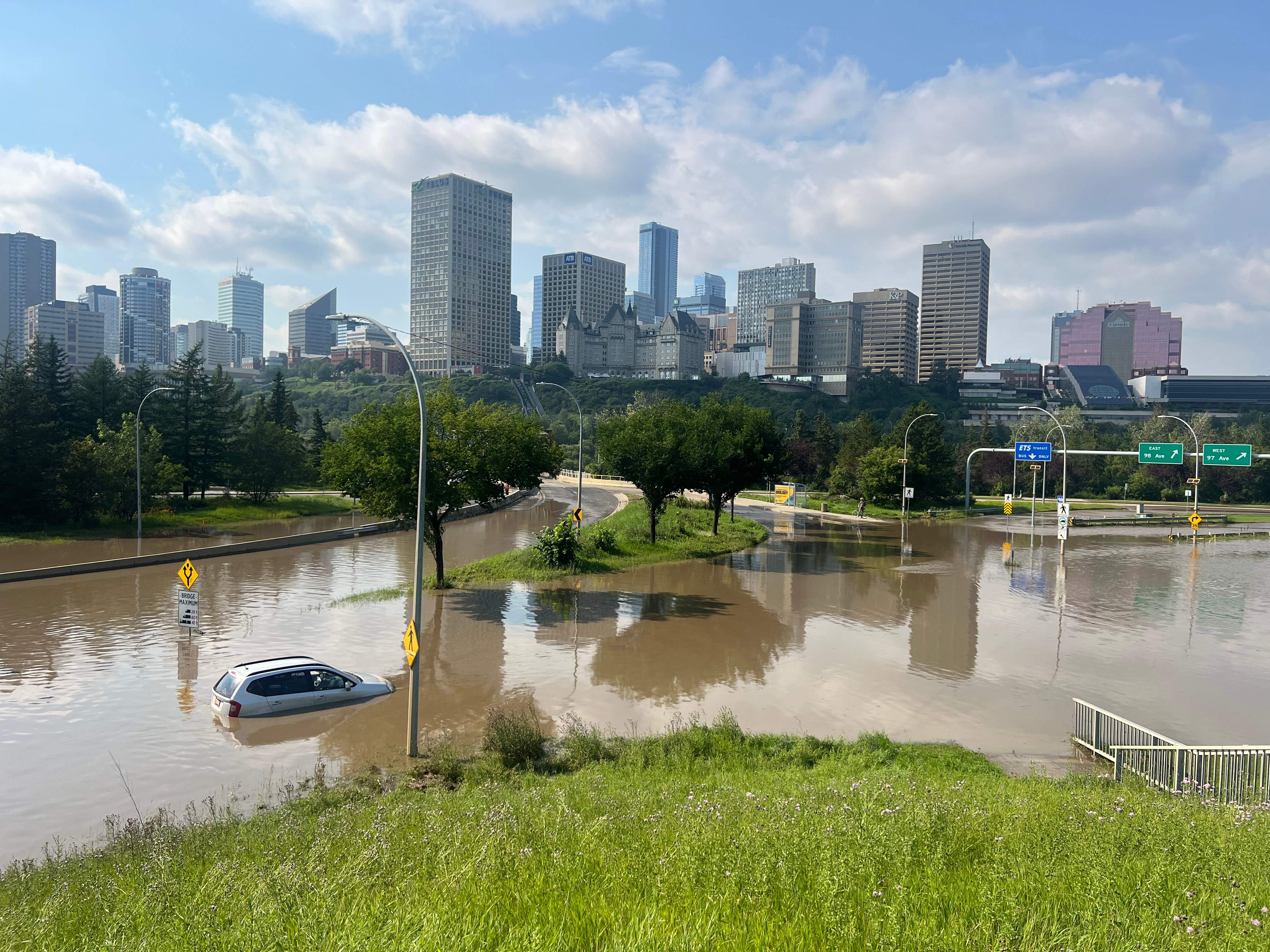
In the summer of 2026, the city of Edmonton experienced record-breaking rainfalls and frequent storms throughout June and July. Keren Tang, a city councillor for Ward Karhiio, emphasized the importance of communication and transparency during the response to these unprecedented weather events. EPCOR, the city-owned utility provider, reported that the July storms were unique and extreme, straining infrastructure with little time for recovery between storms.
Environment Canada recorded over 500 mm of rain in June and July, the highest volume in decades. The groundwater table became saturated, causing runoff to overwhelm the storm-water system. Craig Bonneville, vice-president of planning, projects, and engineering at EPCOR, acknowledged that a lengthy dry spell was needed for the system to recover. The storm events highlighted weaknesses in Edmonton's aging storm-water network, with some areas not holding up as expected.
Scores of homes sustained water damage from sewage backups or overland flooding, and major roads turned into rivers and lakes. Major roads like Whitemud Drive, Yellowhead Trail, Groat Road, and the interchange of Connors Road and the Low Level Bridge were severely affected. The city and EPCOR are considering accelerating work on Edmonton's storm-water system improvements as part of a 20-year, $1.6-billion storm-water resilience plan launched in 2019.
The July storms caused Horseshoe Creek to overflow, eroding banks around its culvert and leading to a stretch of 137 Avenue crumbling. Big Lake-area residents had been waiting for EPCOR to expand the creek's culvert to improve drainage, but concerns about erosion had been raised years prior. Raf Tenderenda, with the Big Lake Community League, criticized EPCOR for not doing enough, stating that residents assumed the utility would step up and address the issues.
The city has spent about $350 million on flood resiliency projects, including dry ponds and maintenance work on pipes and manholes. Bonneville noted that the nature of the storm events was unpredictable and overwhelming, emphasizing the need to implement improvements over time due to the financial and community impact.
Written by urgent.news from Global News's reporting — not their text. Machine-written — may contain errors; check the original before relying on it.