Computer- und Videospiele: 5.000 Fans feiern neue Spiele bei Gamescom-Eröffnungsshow
Eine Kölner Messe lädt zum Probespielen, und Hunderttausende Gaming-Fans werden kommen: Die Gamescom beginnt, fünf Tage lang wird es laut und bunt in den Messehallen der Domstadt.
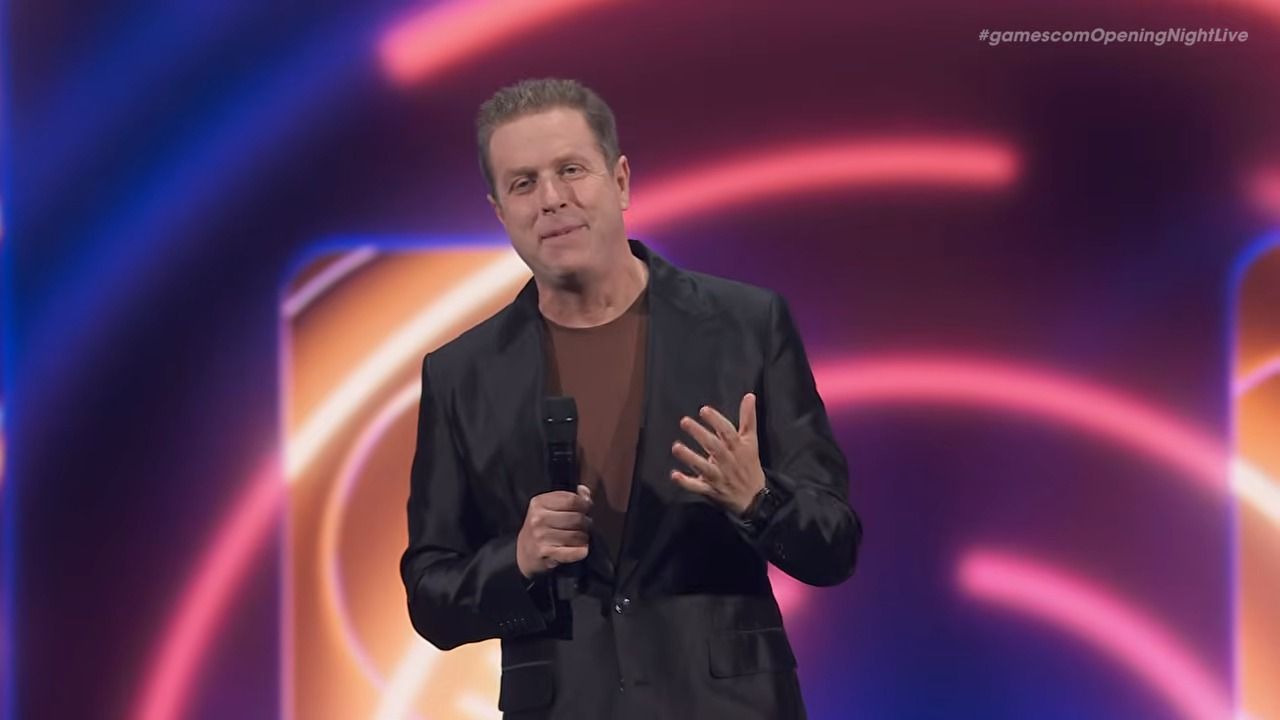
At the opening of the world's largest computer and video games fair, Gamescom, around 5,000 fans celebrated new games. During a show in a Cologne exhibition hall, trailers for upcoming titles were displayed to extensive applause. Geoff Keighley, the host, remarked that the gaming industry was evolving, describing it as both exciting and alarming.
Many studios had closed, and the chip shortage had driven up hardware prices to unprecedented levels. Artificial Intelligence data centers required vast amounts of chips, further exacerbating the scarcity and increasing the cost of gaming technology. Despite the challenges, developers worldwide were determined to create new games, whether in large studios or small indie teams.
The evening's show, "Opening Night Live," featured action games like "Nodus Fall," where the protagonist fights dragons, and "Rainbow Six: Tactics," an elite soldier shooter. Other titles included "The Blood of Dawnwalker," a medieval horror game, "Metro 2039," an apocalypse fighting game, and "Game of Thrones: War for Westeros," a fantasy spectacle based on the popular TV series.
This year's Gamescom theme was "Games make us look forward to the future." Over 1,600 exhibitors, the most since 2025 when the number was 1,568, showcased their products at the fair. About 350,000 visitors, many of them dressed in cosplay, were expected. Half of the exhibitors came from abroad, with companies from Asia being particularly prominent.
Long lines formed at the exhibition stalls, as visitors wanted to try out games. The industry's economic significance was growing, with visual capabilities improving and the number of gamers increasing. In the first half of 2026, the German gaming market generated about 4.2 billion euros in revenue from games, hardware, and associated services, representing a three percent decline.
This drop was mainly due to rising hardware prices, which deterred some consumers. Germany accounted for only about five percent of the spending on games in the country. Among the few major German game studios was Crytek, based in Frankfurt am Main. At the industry event, Vizekanzler and Bundesfinanzminister Lars Klingbeil (SPD), Gaming Minister Dorothee Bär (CSU), and NRW Ministerpräsident Hendrik Wüst (CDU) were expected to discuss the potential introduction of tax relief for game companies, a point mentioned in the CDU/CSU and SPD coalition agreement but not yet implemented.
Written by urgent.news from Handelsblatt's reporting — not their text. Machine-written — may contain errors; check the original before relying on it.