Chagras: An Amazonian Model for the Future of Agriculture
For decades, modern agriculture has pursued a relatively simple idea of efficiency: to produce more food in less space, reduce costs, and achieve increasingly uniform harvests. Large expanses of a single crop, specialized machinery, fertilizers, pesticides, irrigation systems, and selected seeds have made it possible to feed cities and build enormous international agricultural supply chains. […]
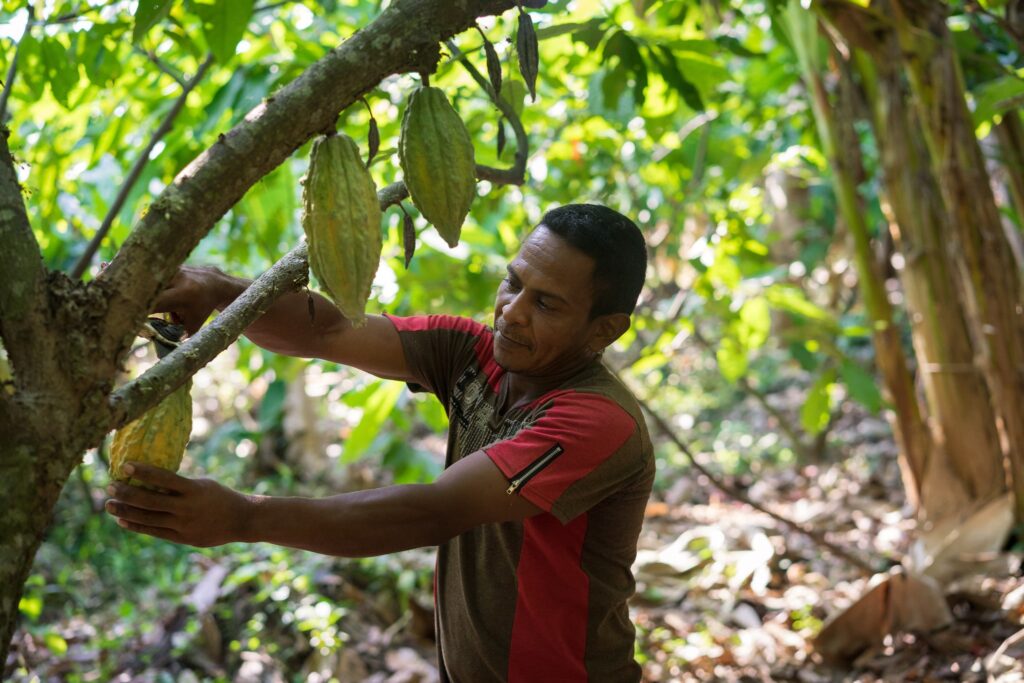
Amazonian chagras represent an innovative approach to agriculture that emphasizes sustainable practices, biodiversity, and harmonious coexistence with nature. In contrast to the traditional model of modern agriculture, which prioritizes monoculture, efficiency, and uniformity, chagras embody a more holistic and regenerative philosophy.
Worldwide, modern agriculture has focused on maximizing food production through large-scale monoculture, extensive machinery, and chemical inputs. However, this approach has led to significant environmental challenges, including soil degradation, loss of biodiversity, water depletion, reliance on harmful agrochemicals, and increased vulnerability to climate change.
Chagras, however, offer a compelling alternative by promoting a diverse range of crops within the same plot, reflecting the natural structure of the forest. This polyculture approach, which involves cultivating multiple species simultaneously, not only maximizes land use efficiency but also enhances ecosystem resilience. In the Amazonian provinces of Ecuador and Colombia, chagras are managed by Indigenous communities who have honed their agricultural techniques over generations.
These systems are designed to work with the natural environment, rather than against it. Rather than attempting to dominate the soil conditions, chagra communities have developed strategies to work within the constraints of their ecosystems. For instance, they utilize controlled burns, which create temporary nutrient-rich ash, and carefully select plots that offer a balance of sunlight, moisture, and soil nutrients.
The chagra's diverse crop mix serves multiple purposes beyond just food production. Many of the plants grown within chagras have medicinal, cultural, and economic value, providing a more comprehensive and sustainable source of livelihood for Indigenous communities. Moreover, by cultivating a variety of species with different growth cycles and vulnerabilities, chagras reduce the risk of crop failure due to pests, diseases, or adverse weather conditions.
This diversity acts as a form of natural insurance, ensuring that not all crops are affected simultaneously should an external threat arise.
Interestingly, chagras are not permanent agricultural systems but rather dynamic, regenerative landscapes. After several years of cultivation, the plot may enter a resting phase, allowing secondary vegetation to reclaim the land through natural processes. This cyclical nature of chagras means they do not permanently disrupt the forest ecosystem, unlike conventional deforestation for agriculture or other development purposes.
Instead, the chagra facilitates a continuous cycle of cultivation, regeneration, and ecological restoration.
Today, chagras are gaining recognition on a global scale as a model for sustainable agriculture. While they may not completely replace traditional farming methods in developed countries, they offer invaluable insights for the 21st century. They demonstrate that food production can be achieved without compromising the integrity of natural ecosystems.
By adopting chagra principles, modern agriculture could learn to balance productivity with environmental stewardship, thereby mitigating many of the severe consequences currently associated with intensive farming practices. In essence, chagras embody a future-oriented vision of agriculture—one that prioritizes ecological balance, cultural heritage, and long-term sustainability over short-term gains and uniformity.
Written by urgent.news from Colombia One's reporting — not their text. Machine-written — may contain errors; check the original before relying on it.