Cast Your Vote for the Chunkiest Alpine Rodent During Colorado's First-Ever Fat Marmot Week
The inaugural competition puts eight yellow-bellied marmots head-to-head while shining a light on the science behind their seasonal weight gain and survival at high elevations
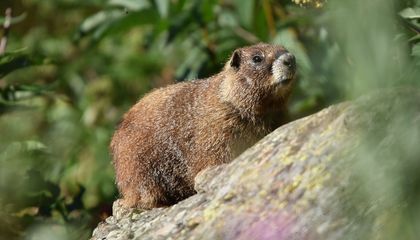
Fat Marmot Week, a Colorado-inspired event, aims to spotlight the robust, high-altitude yellow-bellied marmots as they prepare for hibernation. From August 24 to 28, the public can vote for their favorite among eight contenders in a bracket-style competition, with the heaviest rodent crowned the winner on August 29, followed by the most popular choice on August 30.
The event is organized by researchers at the Rocky Mountain Biological Laboratory (RMBL) in Crested Butte, Colorado, who have been studying these creatures since 1962 as part of the world's longest-running individual mammal study. With an adult weight reaching up to 11 pounds and length exceeding two feet, these "whistle pigs" play a crucial role in the ecosystem, providing a feast for predators like coyotes and grizzly bears.
Active primarily during summer, marmots gorge on grasses, wildflowers, and seeds to bulk up for winter. When temperatures fall, they enter true hibernation, slowing their heart rate to just a few beats per minute, halting metabolism, and dropping body temperature to 41 degrees Fahrenheit for up to eight months. This unique adaptation distinguishes them from grizzly bears, which enter a torpor-like state.
However, climate change poses a significant threat to their survival. A recent winter in Colorado saw a staggering 66% mortality rate among hibernating marmots due to a lack of snow cover, leaving them vulnerable to freezing and predators. To counter this, researchers launched Fat Marmot Week to raise awareness and funds for their ongoing research, which has been impacted by federal budget cuts.
Through OnlyFans, meme-based cryptocurrency, and a partnership with a local brewery, the team has raised over $6,700 so far. Despite the challenges, the project's visibility has increased public understanding of the importance of long-term ecological studies.
Written by urgent.news from Smithsonian's reporting — not their text. Machine-written — may contain errors; check the original before relying on it.