Broad-base rise in food prices despite monsoon recovery, RBI's state of economy report shows
India's economy shows resilience with improved domestic demand and strong activity. Food prices have seen a broad-based increase, impacting inflation targets. Global economic outlook faces challenges from West Asia conflicts and US tariffs. India's financial markets record high credit growth and comfortable liquidity. The country's macroeconomic fundamentals provide a cushion against global risks.
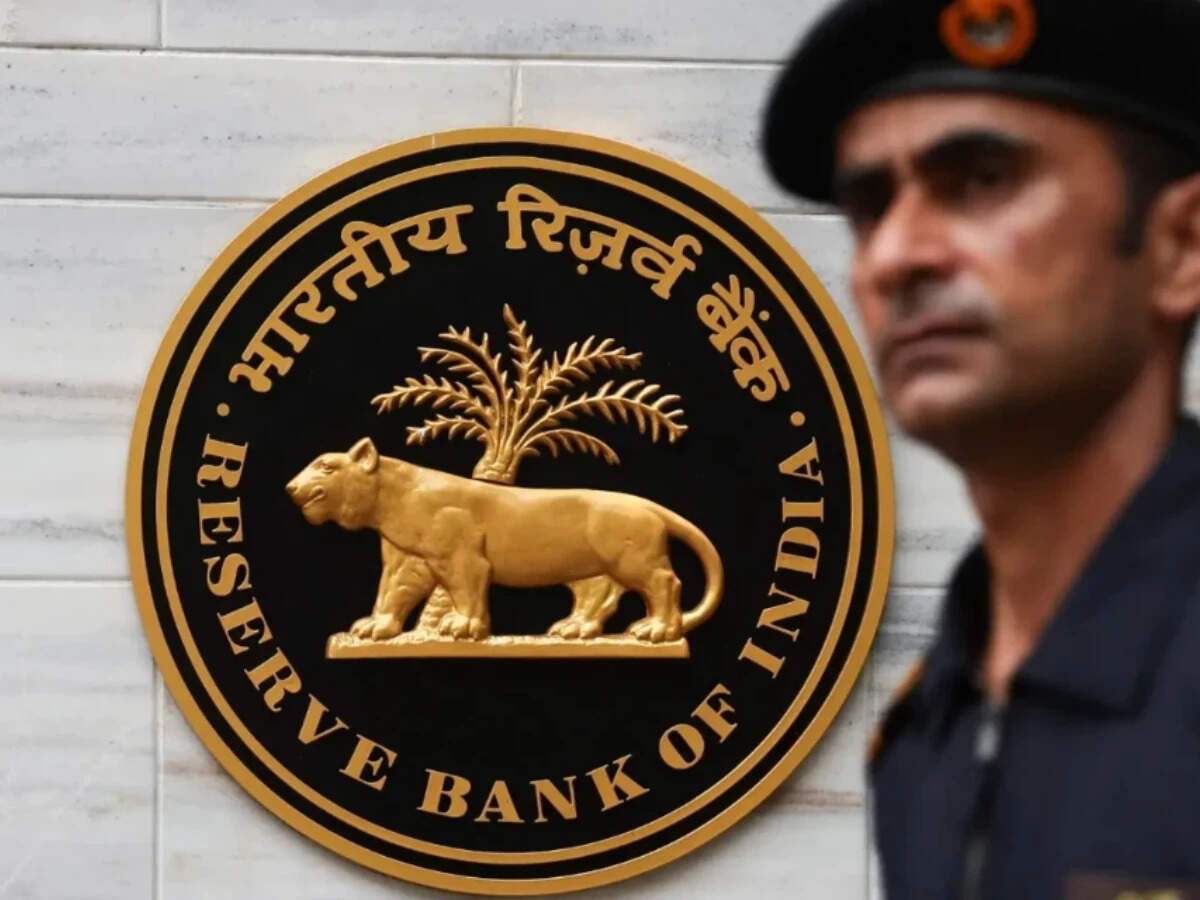
India has experienced a broad-based increase in food prices, even as the recovery of the southwest monsoon partly alleviates some agricultural sector risks, according to the Reserve Bank of India's monthly state of economy report. The overall economy remains resilient, driven by improved domestic demand, while global economic outlook concerns persist due to renewed conflicts in the West Asia and fresh US tariffs.
Monetary policymakers are particularly vigilant about any broad-based inflation increases, as they could prompt policy tightening, as evidenced by the central bank's monetary policy meeting minutes. Headline inflation, measured by the Consumer Price Index, stayed above the 4% target, standing at 4.5% in July and 4.4% in June, largely due to supply-side pressures. Core inflation, however, suggests a more modest cost pass-through.
RBI's high-frequency indicators for July highlighted strong economic activity and domestic demand, supported by rural demand. Manufacturing and services activity momentum, seen in the first quarter, persisted in July, along with double-digit growth in merchandise exports and imports. Nevertheless, India's merchandise trade deficit widened in July, primarily due to electronic goods.
The country's oil deficit remained static as the price of Indian basket crude oil rose to $89.7 per barrel in August, surpassing the average prices in June and July. The global economic outlook remains influenced by geopolitical tensions in the West Asia and new US tariffs. Despite these risks to global trade and growth-inflation dynamics, India's robust macroeconomic fundamentals continue to cushion the domestic economy, according to the report prepared by RBI's economic researchers under Deputy Governor Poonam Gupta.
The US's additional 10% tariff imposed on July 24 complicates bilateral trade, while India's major export commodities to the US, such as smartphones, petroleum products, and pharmaceuticals, remain outside the tariff's scope. India is expected to be less impacted than some Asian economies like China, Vietnam, and Thailand, which face a 12.5% tariff increase. Meanwhile, the financial market saw high credit growth amid ample liquidity and lower government bond yields, buoyed by increased capital inflows.
Written by urgent.news from The Economic Times - Economy's reporting — not their text. Machine-written — may contain errors; check the original before relying on it.