Barbara Hammer Through Her Own Lens
“Barbara Forever” is both a biography and a conversation the late filmmaker has with herself.
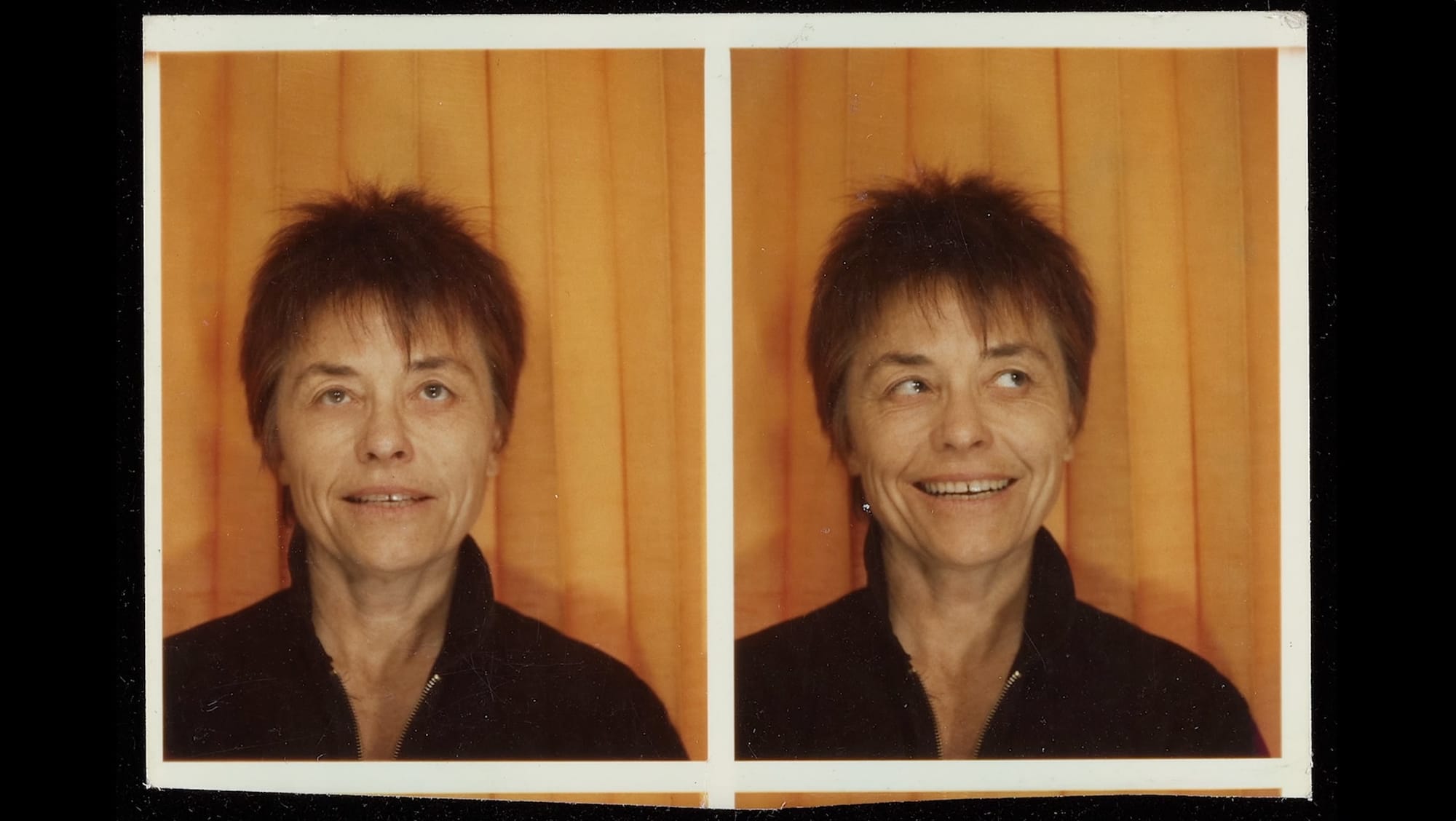
Barbara Forever (2026), a groundbreaking biographical documentary, distinguishes itself from typical life stories by omitting the initial three decades of its subject's existence. The late Barbara Hammer herself acknowledges in the film's voiceover that her true life journey commenced when she began creating films and publicly embraced her lesbian identity in the early 1970s.
Driven by an insatiable desire to rectify her past, she swiftly reinvented herself, severing ties with her husband who resided in Northern California's woods and immersing herself in Berkeley's vibrant queer and experimental film communities.
The documentary unfolds Hammer's life and work chronologically, examining the evolution of her artistic practice and political beliefs. Apart from fresh interviews with her longtime partner, Florrie Burke, the film predominantly relies on archival materials. Hammer was incredibly thorough in her self-documentation, preserving a vast collection of personal photographs, notes, videos, and voice recordings, which effectively serve as her narrative medium, aided by director Brydie O'Connor's editorial interventions.
Despite the linear structure of the film's timeline, Hammer's reflections are not. Many of her audio recordings were made during her final years, grappling with endometrioid ovarian cancer and mortality, which prompted her to retrospectively evaluate her life. It was within this frame of mind that she produced her poignant performance piece, "The Art of Dying or (Palliative Art Making in the Age of Anxiety)," in 2018, precisely a year before her passing.
Written by urgent.news from Hyperallergic's reporting — not their text. Machine-written — may contain errors; check the original before relying on it.