Apollo chief economist says ‘China Shock 2.0 is here’ as new wave of Chinese technology floods global markets—and it’s bad news for American companies
China's export boom is moving from Walmart shelves to EVs and semiconductors—and U.S. companies can’t tariff it away
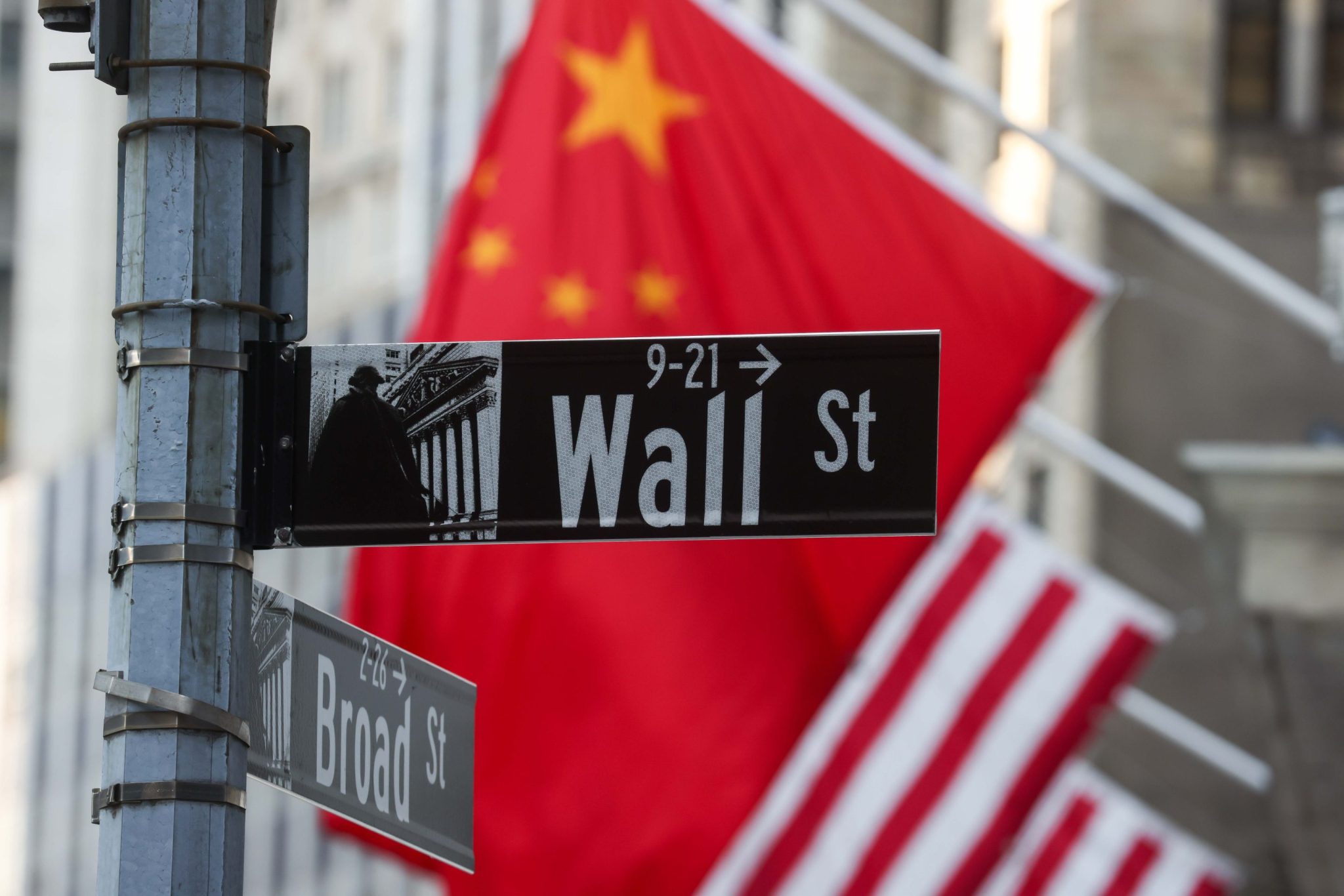
China is experiencing a new wave of economic disruption that could have significant consequences for American companies, according to Torsten Slok, chief economist at Apollo Global Management. This "China Shock 2.0" is more subtle than the first one, which was characterized by the influx of cheap Chinese goods that hollowed out parts of the American manufacturing base.
This time, China is exporting high-tech products such as EVs, semiconductors, and other advanced goods. In fact, China's exports of these items surged nearly 41% from January to July. This shift in China's exports could threaten American companies even as consumers are less exposed to Chinese products due to tariffs. Slok cites Brad Setser, a CFR senior fellow, who first identified this new phase of global trade integration.
Unlike before, China now controls the production of cutting-edge technology itself, leaving no room for other countries to import cheaper goods. This has resulted in a surge in China's export surplus, which is flooding global markets. The electric vehicle industry is a prime example, with BYD surpassing Tesla as the world's largest seller of fully electric vehicles in 2025.
Other areas where China is becoming a formidable competitor include semiconductors, industrial robots, and AI data centers. American companies are facing increased competition from China in these sectors, and this could have long-term implications for profitability and future investments in manufacturing equipment and R&D. Although the U.S. has implemented tariffs to protect its domestic industries, American companies still have to contend with Chinese competition abroad.
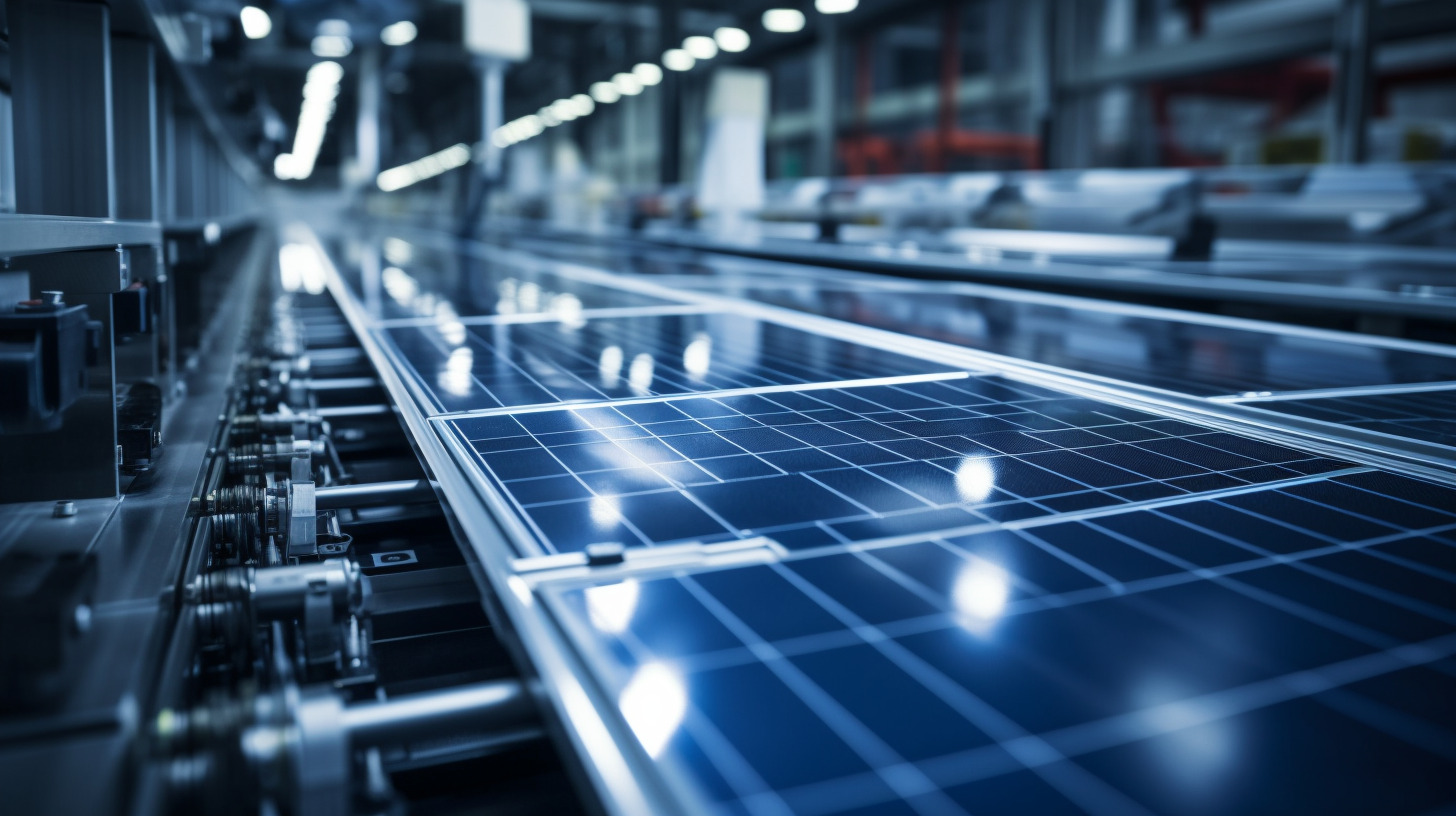
To stay competitive, American firms need to develop more economic strategies beyond tariffs. For instance, BYD's electric vehicles face a 100% tariff, preventing them from competing with American carmakers. Additionally, the U.S. has restricted Chinese products and technology in various industries, including chips, batteries, and solar equipment.
Despite these protections, American companies must still navigate the challenges posed by China's technological advancements. Conklin, a chief strategy officer, warns that China's "tidal wave" in foundational semiconductors could significantly impact American and other Western semiconductor companies over the next two years. The U.S.-China Economic and Security Review Commission has also expressed concern about China's growing influence in emerging markets, which could erode American companies' profitability and constrain future investments in advanced manufacturing.
Written by urgent.news from Fortune's reporting — not their text. Machine-written — may contain errors; check the original before relying on it.