Urgent.News

What's breaking now, across thousands of outlets.

Tech

Android is getting its own weird dots to cure car sickness

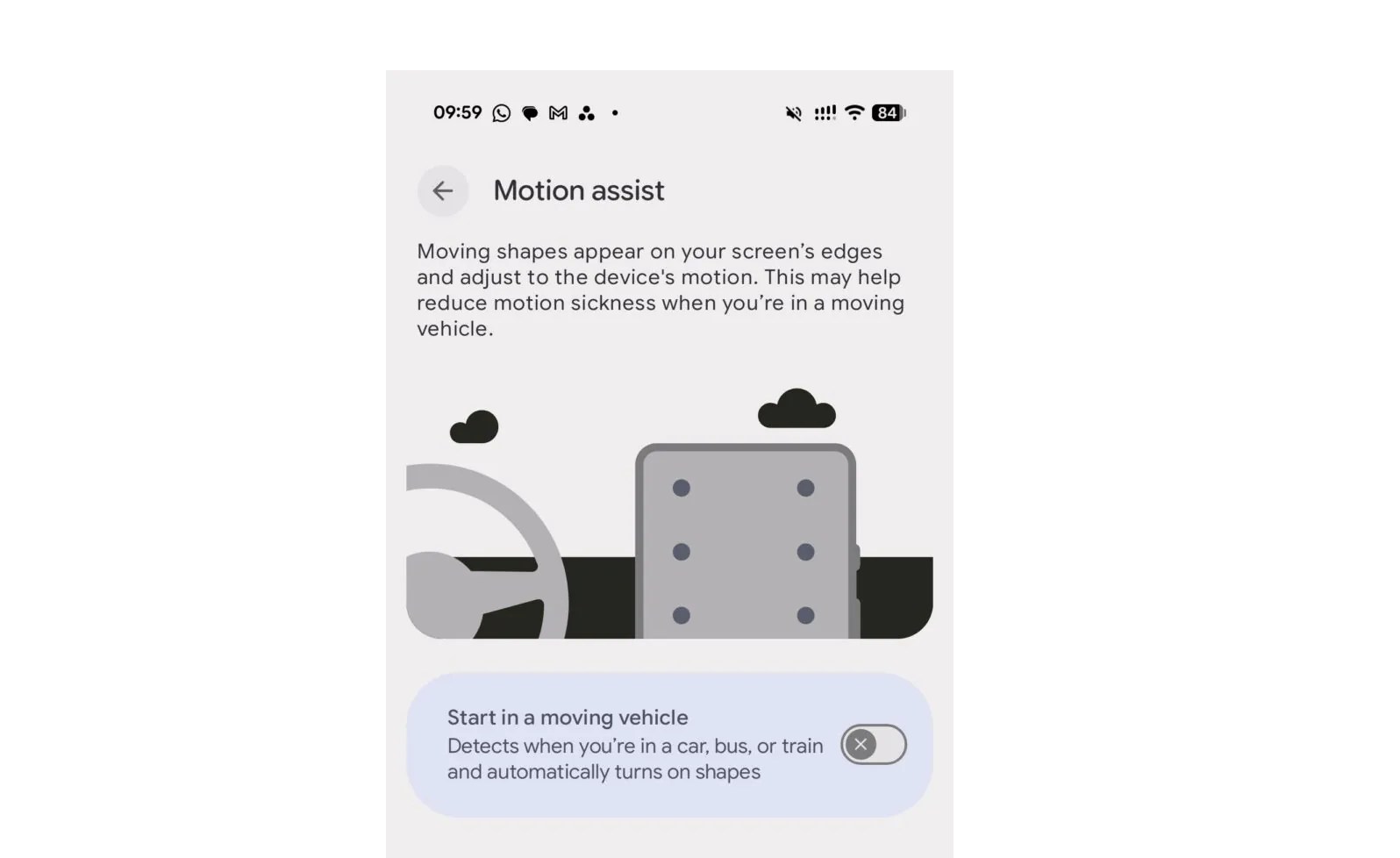
Google is rolling out a new Android feature that's been proven to reduce, or even eliminate, motion sickness when using a phone inside a moving vehicle. Dubbed Motion Assist by Google, it's very similar to Apple's Motion Cues, first introduced in 2024. The Android 17 feature appears to be rolling out in phases, with some […]
Android is getting its own weird dots to cure car sickness

We haven't written up this one. The Verge has the full story — the link below goes straight to it.


Read the original at theverge.com →

More in Tech

One Dead Container Stopped nginx From Starting At All

Eight containers behind one nginx. One of them was stopped. nginx would not start. Not "returned 502 for that service" — would not start, at all, with every other service running fine: host not found…

  • One container failure caused nginx to fail starting up
  • Nginx caching DNS couldn't adapt to container's changing IP
  • Fix involves deferring DNS resolution, using Docker's embedded DNS

How we detect a bad Capacitor OTA and roll it back in 10 seconds

I ship JavaScript over the air for a living. The failure mode that still keeps me honest is not a bad button label. It is a bundle that never boots.

  • JavaScript shipped OTA for app updates
  • Self-check feature detects faulty bundles
  • Native code restores previous bundle if handshake fails

Your Detection Rules Have Ten Years of Windows Logic and Zero Lines for a Stolen IAM Key

Your team has a mature detection stack. Years of rules tuned against real incidents: suspicious parent-child process trees, LSASS access patterns, lateral movement over SMB.

  • Your detection rules lack specific logic for stolen IAM keys in cloud environments.
  • Attack proceeds via IAM API calls without process, host, or EDR agent.
  • Effective detection requires focus on IAM API call sequence and permission escalation.

More from Tuesday 25 August →