Analysis: Rosy labor figures conceal deeper cracks
Indonesia’s labor market resembles a polished façade concealing deeper cracks. Official figures show headline unemployment falling, yet the recovery has not created enough quality jobs for the country’s growing educated workforce. Education has long been seen as the first step up the social ladder, opening the way to secure employment and a better life. Today, however, more than 1 million…
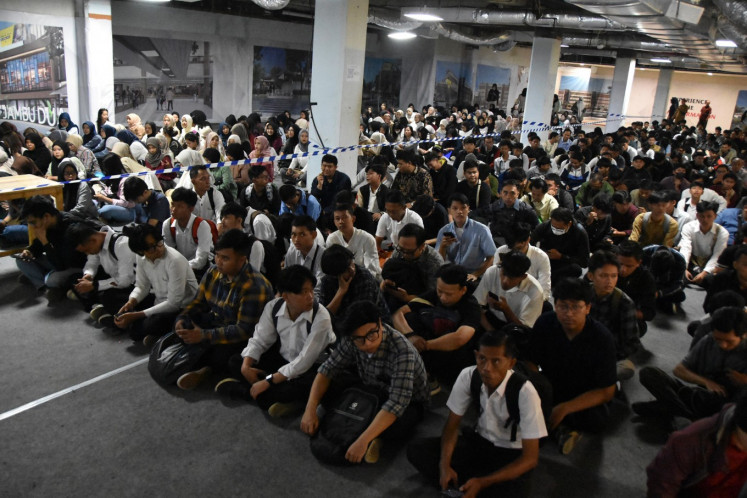
Indonesia's labor market appears outwardly strong, with declining unemployment figures, yet underlying issues threaten to undermine this progress. Despite the economy's growth, the recovery has not generated sufficient high-quality positions for the nation's increasing number of university graduates, many of whom remain unemployed.
While official unemployment rates have dipped, data reveals a stark reality: nearly 1 million of the unemployed hold degrees, a figure that has nearly doubled since 2022. This suggests that, despite overall improvements, the job market is struggling to absorb a growing pool of educated workers.
Some of the most affected graduates hail from popular fields such as management, law, economics, education, accounting, and computer science. A recent study revealed that these sectors collectively accounted for about 40 percent of the jobless among university graduates in August 2025. This surge in graduates from broad disciplines underscores the competition for entry-level positions, as many fields produce a large number of graduates.
The challenge lies not only in the sheer volume but also in the mismatch between graduates' skills and the demands of employers. Even traditionally lucrative fields like computer science face difficulties due to evolving industry demands and variability in training quality.
Employers, through the Indonesian Employers Association (Apindo), have expressed frustration over this mismatch, highlighting both the scarcity of formal job opportunities and the ongoing prevalence of informal employment. Surveys indicate that only a quarter of businesses feel their workforce meets their specific needs. This dual challenge—unprepared graduates and insufficient job creation—paints a complex picture of Indonesia's labor market.
It serves as a reminder that robust education systems and aligned job opportunities are crucial to ensuring that higher education translates into meaningful employment.
Written by urgent.news from The Jakarta Post's reporting — not their text. Machine-written — may contain errors; check the original before relying on it.
Also reported by 1 other outlet
- Analysis: Rosy labor figures conceal deeper cracks thejakartapost.com