America proposes new US$103,265 H-1B visa fee, expanding charge beyond new arrivals
The US has proposed a new US$103,265 fee for H-1B visa petitions – a move that could ramp up the cost of hiring skilled foreign workers, with Chinese and Indian professionals particularly hard hit. It comes at a sensitive time for US-China relations, with visas already a long-running source of friction and Beijing stepping up efforts to attract global tech talent as competition intensifies…
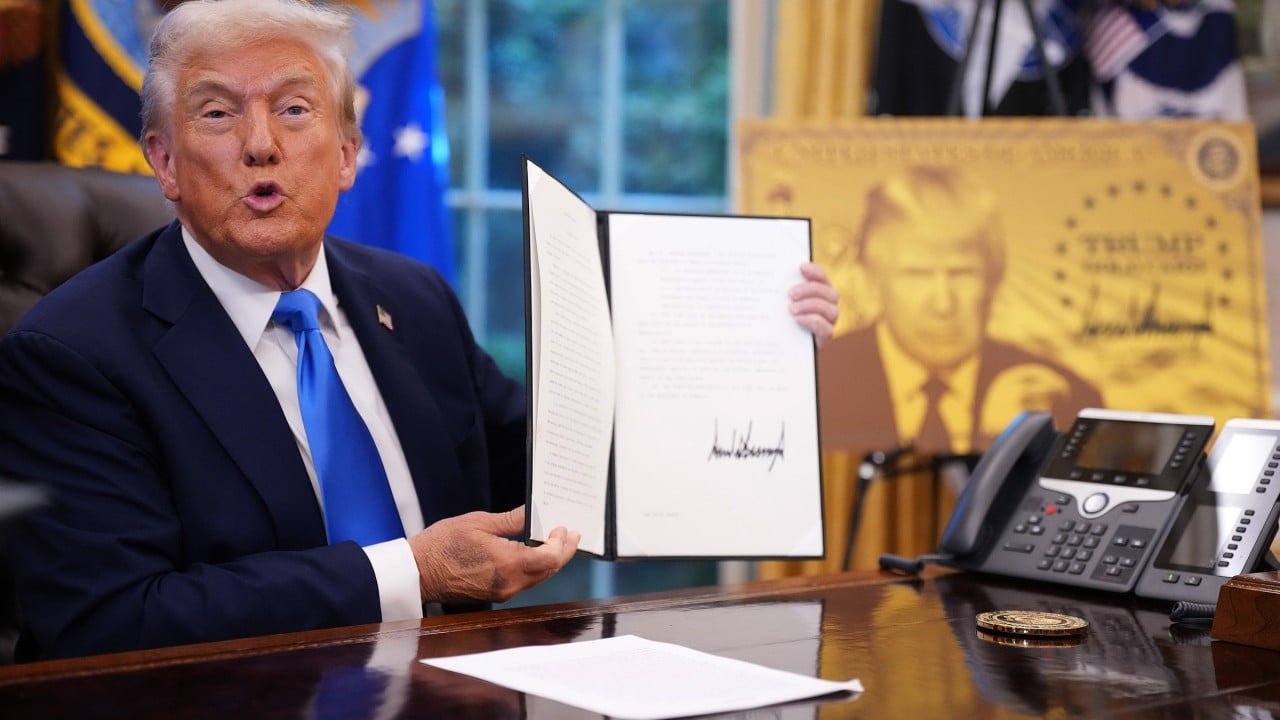
The US has proposed a new H-1B visa fee of $103,265, which could significantly increase the cost of hiring skilled foreign workers. This move comes at a sensitive time for US-China relations, as visas have long been a source of friction between the two nations. The proposal, announced by the Department of Homeland Security (DHS), applies to every H-1B petition subject to the annual numerical cap of 85,000 visas, including those reserved for people holding US master’s degrees or higher.
Employers would pay the fee when filing a petition, on top of existing charges. Universities and certain non-profit or government research organizations would be exempt. This new measure goes beyond an earlier $100,000 fee imposed in September 2025, which mainly targeted new H-1B arrivals from overseas. The higher fee applies to cap-subject petitions filed for people already in the US seeking a change of status, which could impact many international students working in the US under Optional Practical Training.
The administration argues that the high cost could encourage companies to hire and train American workers instead of relying on foreign labor. However, Chinese nationals are the second-largest group of H-1B beneficiaries, accounting for about 12% of approvals annually, with roughly 46,000 to 49,000 petitions filed each year. Indians account for around 70-71% of approvals, with about 283,000 to 284,000 petitions annually.
The proposed fee could make sponsoring Chinese and Indian professionals more difficult, particularly for those already in the US who entered as students and moved into technology and engineering careers. Visa access has been a contentious issue between Washington and Beijing, with Chinese students and researchers facing heightened screening, shorter durations of stay, and concerns over national security risks.
China has responded by making efforts to attract talent home, offering aggressive compensation packages and government support. The proposed H-1B fee is still in the proposal stage, with a 30-day public comment period following formal publication in the Federal Register. Legal challenges are expected, and the proposal could face additional court battles before becoming a final rule.
Written by urgent.news from Reuters Business via SCMP's reporting — not their text. Machine-written — may contain errors; check the original before relying on it.