AI helps identify regulatory hub for aging in hematopoietic stem cells
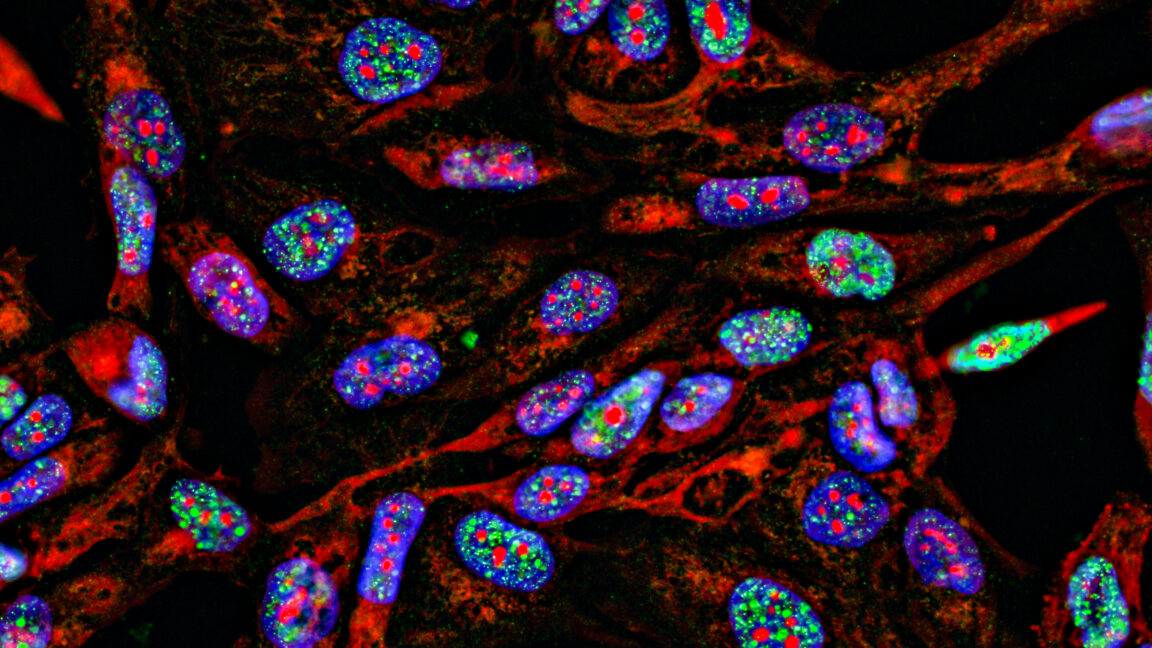
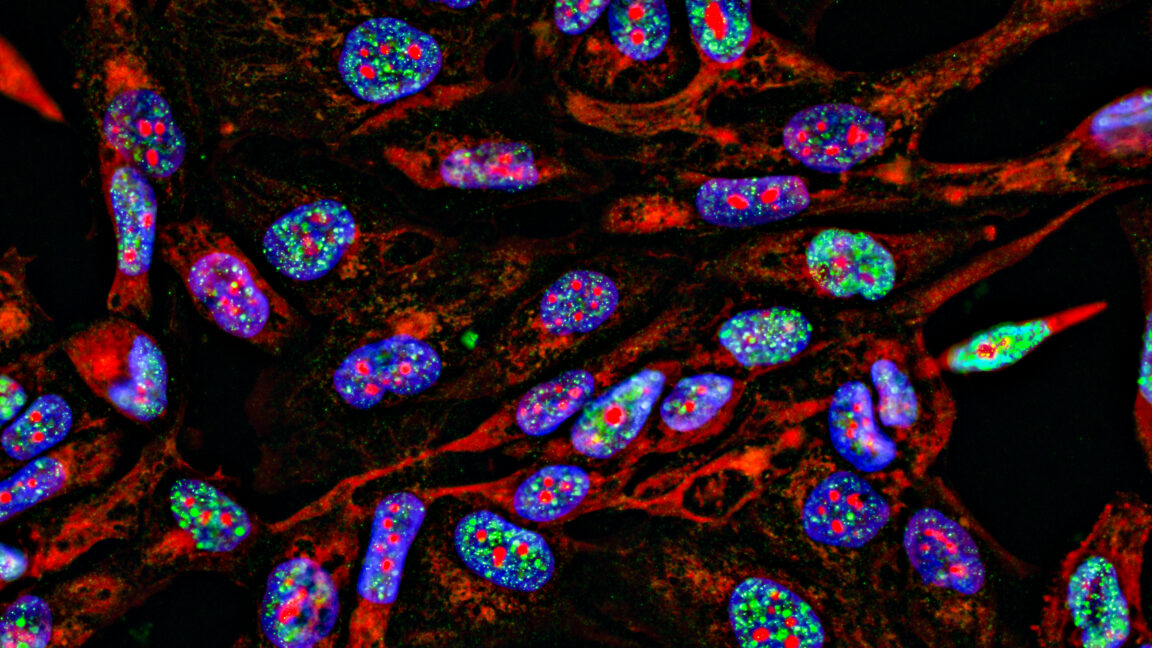
Stem cells possess the unique ability to self-renew and transform into different types of cells. For example, rare hematopoietic stem cells found in bone marrow can become any type of blood cell. Throughout life, they can produce new blood cells to replace those lost because of infection, bleeding or chemotherapy.

Researchers at Tohoku University have discovered an AI-identified regulatory factor called Pbx1 that plays a key role in the aging process of hematopoietic stem cells. Hematopoietic stem cells, which can self-renew and differentiate into various blood cells, become less effective as individuals age, leading to anemia, reduced immunity, blood clots, and age-related blood disorders.
Using Geneformer, an AI model trained on gene-expression data, the team found 143 genes that could shift young stem cells toward an aged state. Further experiments confirmed that Pbx1, when elevated, reproduced many features of aged cells and, after transplantation into mice, reduced red blood cell output while increasing platelet production, partly due to Gata1 suppression.
The findings reveal a new understanding of why blood production becomes unbalanced with age, providing a clearer molecular framework for this process.
Written by urgent.news from Medical Xpress's reporting — not their text. Machine-written — may contain errors; check the original before relying on it.