A tale of two tycoons
Together, the founders of Evergrande and Unitree represent the top and bottom of the Chinese business cycle.
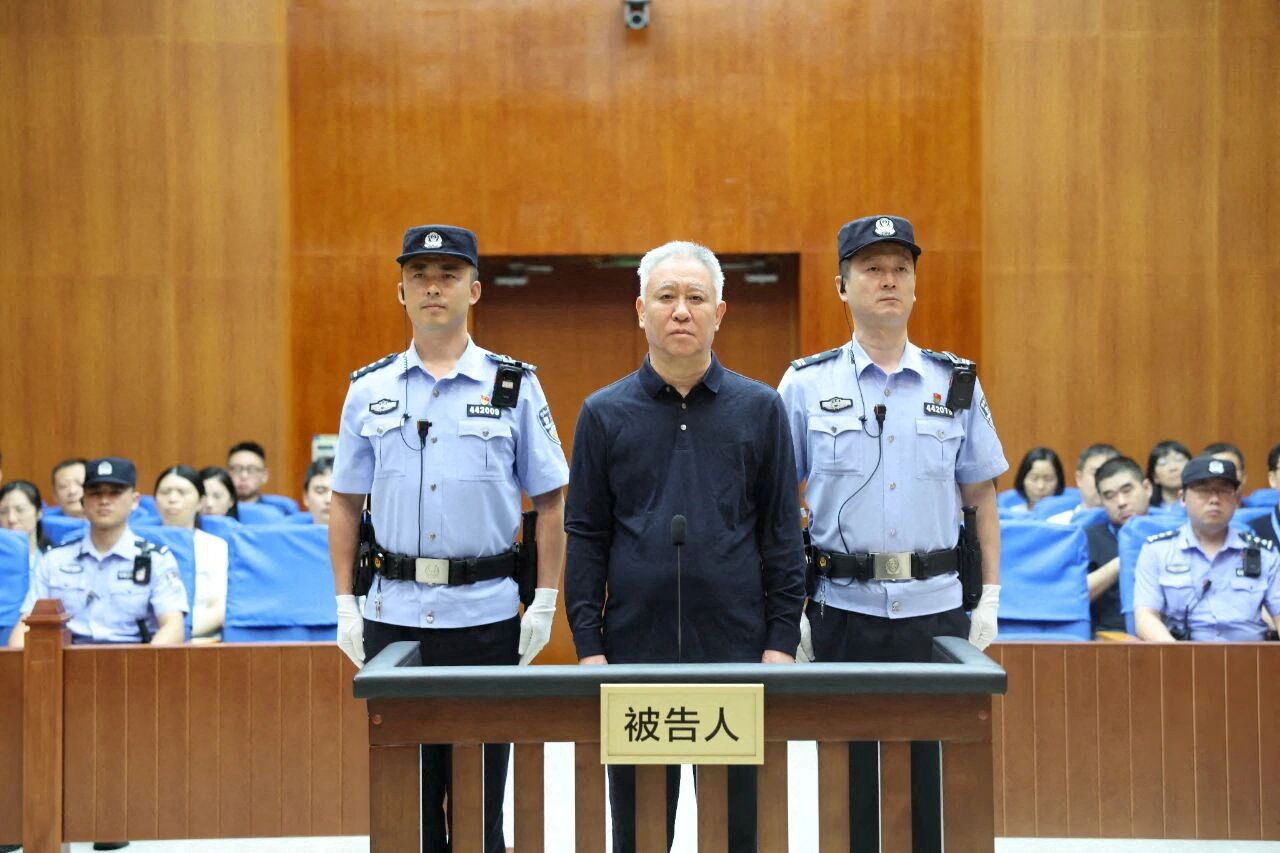
Last week, China showcased two contrasting business figures: Wang Xingxing, the founder of humanoid robot company Unitree Robotics, and Hui Ka Yan, the former real estate tycoon of Evergrande. Wang's shares surged 460% in their IPO, while Hui received a life sentence in a court. Their differing backgrounds - Wang, a tech enthusiast, and Hui, a factory worker - reflect the diversity within China's economic landscape.
Both exemplify how massive state resources can lead to excess and debt, creating a business cycle that yields both prosperity and hardship.
The real estate sector dominated China's economy for years, generating wealth for local governments and state entities, but ultimately resulted in a vast number of vacant apartments. Hui, once Asia's richest man, lost everything, now languishing in jail. China's investments in solar and battery industries have also created bubbles, with prices plummeting and overcapacity looming. Brad Setser estimates China's auto industry could produce 55 million cars, nearly two-thirds of global demand.
Unitree's IPO has rewarded investors, but the future of humanoid robotics remains uncertain. The hype cycle may have peaked with over 150 companies vying for the market. Meanwhile, Hui's role in China's real estate Ponzi scheme mirrors the system's propensity for boom and bust. The Chinese business cycle has long produced dramatic highs and lows, from Huang Guangyu's fall in the 2000s to Alibaba's recent fine and asset seizure.
Wang Xingxing's fortune, though impressive, is precarious, highlighting the precarious nature of private fortunes in China.
Written by urgent.news from Semafor's reporting — not their text. Machine-written — may contain errors; check the original before relying on it.