A 2,500-year-old animal bone found in Sicily reveals how ancient people wrote on clay
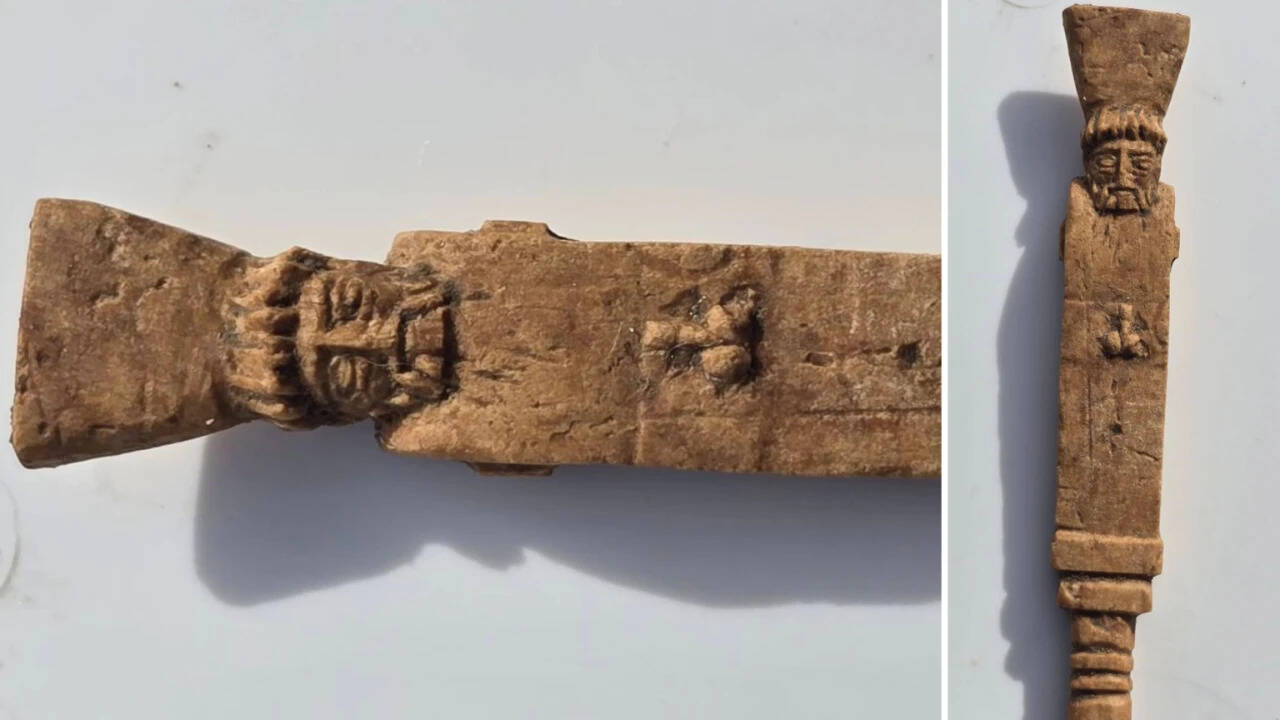
In the coastal town of Gela on Sicily s southern shoreline, archaeologists have unearthed a rare 2,500-year-old bone stylus adorned with imagery, dating back to the 5th century BCE. Discovered during preventive excavations at Orto Fontanelle, an area set to host a new cultural centre, the object measures 13.2 centimetres in length and is currently intact.
The stylus features a finely carved male head, likely representing an erma or herm of Dionysus, and a central section depicting an erect phallus. The Sicilian regional cultural heritage department considers the stylus an exceptional find, attributing its unique craftsmanship and imagery to its probable use as an offering to the deity.
Superintendant Daniela Vullo suggests that the object's unusual symbolism signifies its ritual purpose, rather than being merely a practical tool. The stylus' identification as Dionysus is based on its distinctive decoration, as no inscription on the object explicitly names the god. The stylus' fine bone carving, the apparent Dionysian figure, and an erect phallus suggest that it was not a simple utility item but an object imbued with religious symbolism.
Its small size and intact condition preserve details that might otherwise be lost, highlighting the skilled craftsmanship of ancient Gela. The stylus is considered unique by regional authorities, underscoring the intricate relationship between craftsmanship and spirituality in classical antiquity.
Written by urgent.news from Times of India's reporting — not their text. Machine-written — may contain errors; check the original before relying on it.