50 South Korean corporate luxury homes under probe for private use by owners’ families
South Korea's tax agency is auditing fifty companies for misuse of luxury homes. These firms allegedly provided private benefits to owners and their families. An earlier review found many corporate homes were used privately by owners. The investigation will also examine overseas properties and educational expenses for children. This action highlights concerns about tax evasion and property…
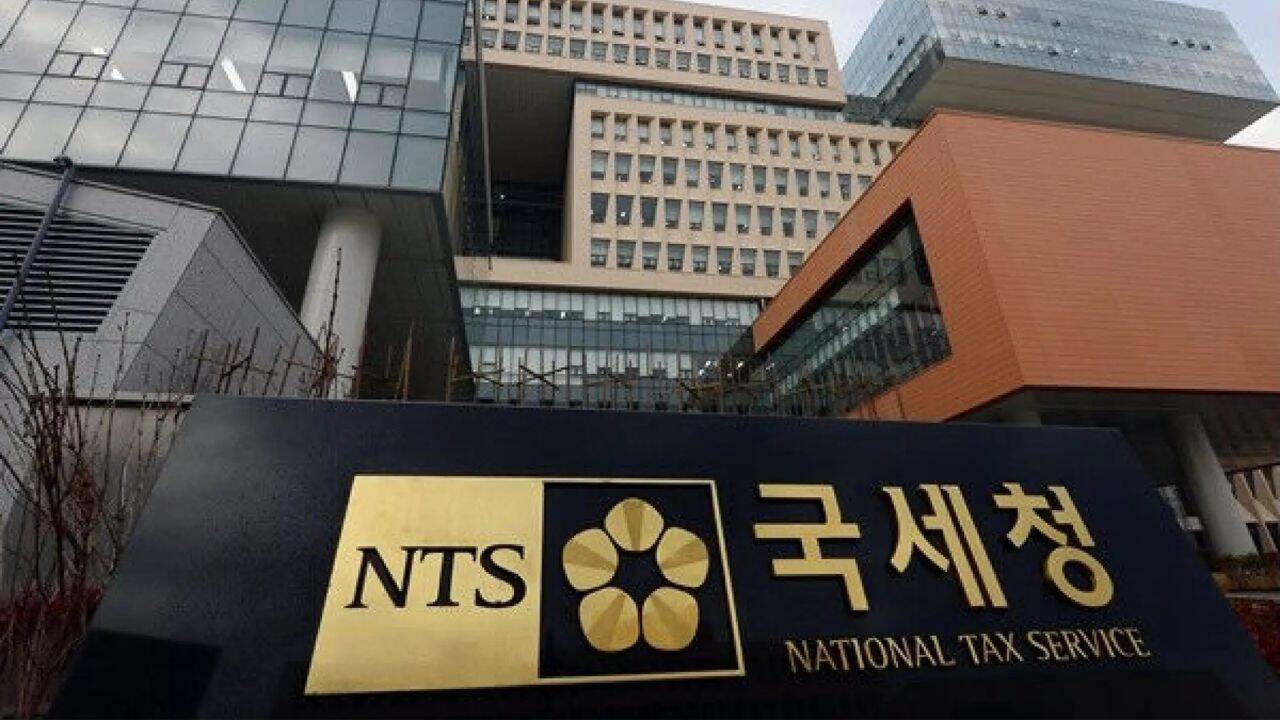
South Korea's tax agency has initiated audits of 50 companies suspected of misusing corporate-owned luxury homes for private family use, raising concerns about tax evasion and regulatory breaches. According to the National Tax Service (NTS), 1,097 out of 2,639 surveyed corporate-owned properties, or 42%, were privately used by owners and their families. These properties, each exceeding 85 square meters and valued at over 900 million won, are subject to the comprehensive real estate holding tax.
The 50 companies under scrutiny are accused of tax irregularities totaling 1.9 trillion won. Some firms allegedly provided homes to owners' families, circumventing multiple-home ownership and lending limitations, or maintained luxury vacation properties exclusively for personal use. In one instance, a company acquired a central Seoul luxury home for over 20 billion won and spent an additional 10 billion won in corporate funds for expansion and interior renovations.
Another company purchased a roughly 4 billion won home in a wealthy southern Seoul district, allowing its owner's family to use it privately without registering the property as their residence.
Meanwhile, in Busan, a company bought a Seoul apartment valued at around 4 billion won for an owner's family and provided it rent-free. The tax investigation will extend to corporate-owned homes provided free of charge to owners' children studying abroad, as well as company-funded tuition and living expenses, according to the NTS.
Written by urgent.news from Times of India's reporting — not their text. Machine-written — may contain errors; check the original before relying on it.