1929 gift gave Lassen Park its first private museum, 40 acres and a seismograph
In 1914, homesteader Benjamin Loomis captured the dramatic eruptions of Lassen Peak through his photography. Along with his wife, Estella, he later established a museum and seismograph station on their land. This rich historical site was formally donated to the United States in 1929 and is now recognized as the Loomis Museum, serving to inform and engage visitors about the fascinating history of…
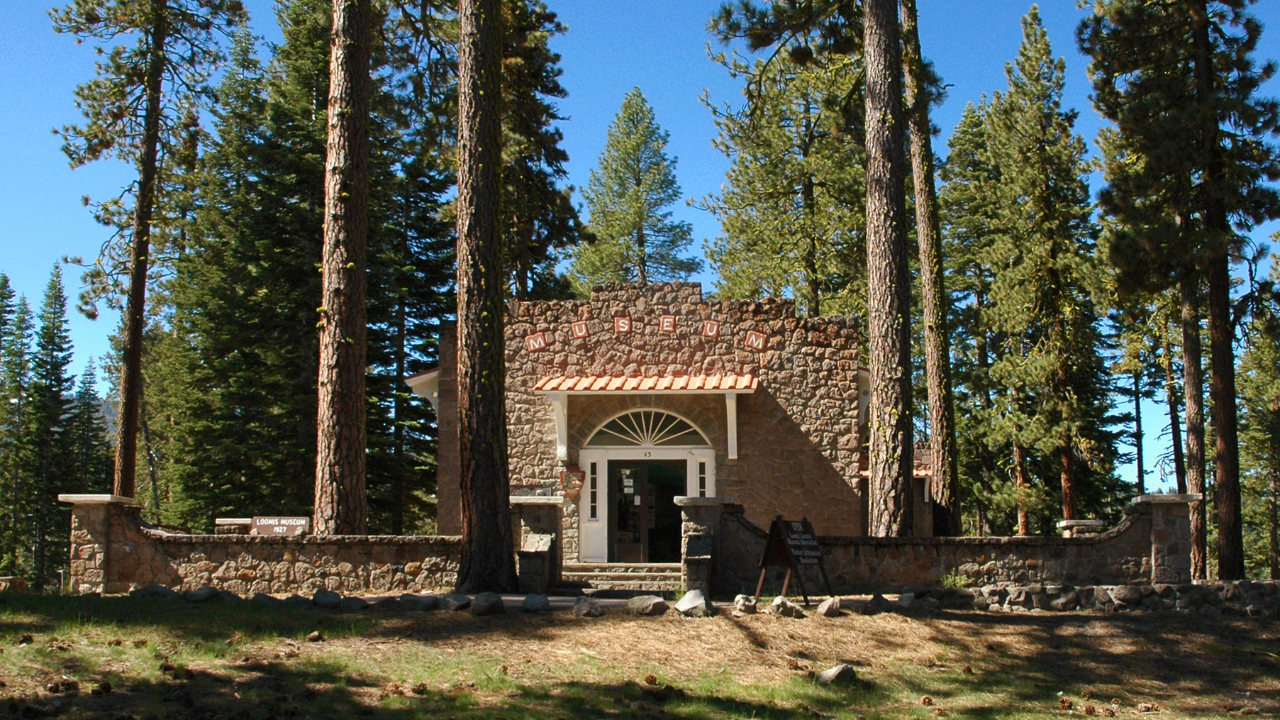
In 1929, Benjamin and Estella Loomis generously donated 40 acres of land, a museum, and a seismograph station to the United States government. This marked the first instance in American history of a privately constructed museum being presented directly to a national park. In exchange for their land and the educational buildings, the Loomises retained a small lifetime lease on a nearby property where they constructed a residence and photo gallery to sustain themselves during retirement.
The Loomis Visitor Center, located at the north-west entrance of Lassen Volcanic National Park, remains a testament to their philanthropic spirit and the initial exploration of volcanoes in Northern California. The museum's history commenced in May 1914 when Lassen Peak experienced renewed activity. Benjamin Loomis, a local photographer and self-taught expert, arrived at the volcano carrying a heavy camera and glass-plate negatives to document the events.
His photographs, including images of towering ash plumes and large mudflows, gained widespread attention across the United States. These images, along with detailed records, played a significant role in garnering public support for the protection of the area, which ultimately led to the establishment of Lassen Volcanic National Park in 1916.
Following the loss of their only child in 1921, the Loomises dedicated the donated land to creating a public center focused on science and the volcano's history. In 1926, they constructed the Louisa Mae Loomis Memorial Museum using local materials and designs inspired by the Italian Renaissance, capable of withstanding harsh mountain conditions.
The museum showcased Loomis's historic photographs, rock collection, and educational exhibits about the geology of the Cascade Range. Benjamin Loomis also built a small seismograph hut adjacent to the museum, collaborating with geologists from the University of California, Berkeley, and the USGS to install a Wiechert seismograph for monitoring earthquakes and underground activity around Lassen Peak.
This station was among the earliest continuous earthquake monitoring sites in the Cascade Volcanic Arc, providing crucial data about the volcano's subterranean activities before the advent of automated monitoring systems. The Loomises understood the need for federal management to ensure the long-term preservation of their facility.
In 1929, they formally transferred the entire 40-acre property, including the museum and seismograph station, to the National Park Service. This donation established an early example of collaboration between private individuals and the federal park system, providing the National Park Service with a fully equipped visitor center built and funded by private donors.
After the Loomises' transfer of the land, they remained on their leased plot across the road, continuing to operate a home and photo studio until Benjamin's death in 1935. The museum's existence was not always assured. During the National Park Service's Mission 66 modernization program in the 1950s, officials contemplated demolishing the building.
However, local preservationists and historians successfully argued for its importance in Lassen's history, leading to its addition to the National Register of Historic Places in 1975. Major restoration efforts were carried out in 1994 and 1995, repairing the original stone exterior, strengthening the seismograph hut, and updating the museum's exhibition space.
In 2006, the historic designation was expanded to include the broader site as part of the Manzanita Lake Naturalist's Services Historic District. Today, the Loomis Museum remains open from May through October, displaying original 1914 eruption photographs, historical seismology equipment, and other artefacts that help visitors comprehend the powerful geological forces shaping Northern California.
Written by urgent.news from Times of India's reporting — not their text. Machine-written — may contain errors; check the original before relying on it.