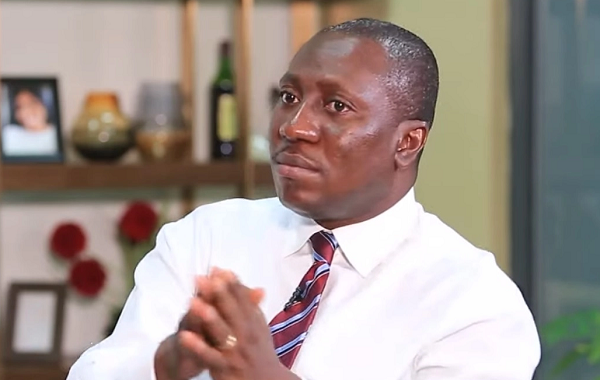
Ziya Us Salam on the Controversy Over the Taj Mahal
The claims of Hindu groups that the Taj Mahal was originally a Hindu temple are “high on prejudice and assumptions, low on evidence.”
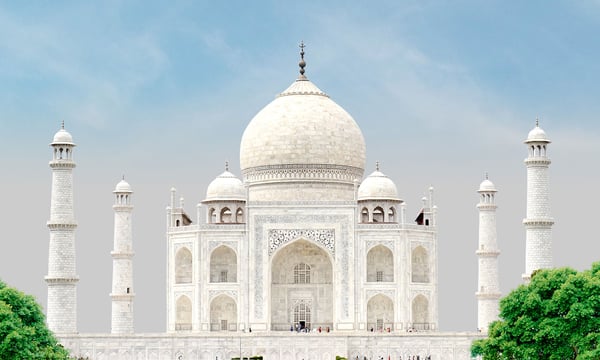
The Taj Mahal has been embroiled in a long-standing controversy. The controversy began over a century ago when P.N. Oak, a teacher, journalist, and lawyer, claimed the monument was originally a Rajput palace from over 1,500 years ago. In 1989, Oak revised his claim, stating the Taj was a temple to Hindu deity Shiva, constructed in the 11th century. However, the Supreme Court has consistently dismissed these claims, particularly in 2000.
Recently, the Allahabad High Court directed the central government and the Archaeological Survey of India (ASI) to respond to a petition questioning the authenticity of the Taj Mahal. The petitioner sought permission for Hindus to offer prayers, and an inspection appointment, with the monument identified as Tejo Mahalaya. The high court's directives could potentially lead to political interference and rulings in favor of Hindu claims, according to Ziya Us Salam, a journalist and scholar.
The ASI has always maintained its stance that the Taj Mahal was a 17th-century tomb built by Mughal Emperor Shah Jahan for his favorite wife, Mumtaz Mahal. The monument's construction involved resources from various origins, including white marble from Jaipur, lapis lazuli from Sri Lanka, crystal from China, and coral from Arabia. Over 20,000 workers labored for 22 years to complete the monument. Its design features a blend of Islamic and Indian elements, incorporating Quranic verses and Hindu workers in its mosaic work.
Written by urgent.news from The Diplomat's reporting — not their text. Machine-written — may contain errors; check the original before relying on it.