Windows NT 4.0 is 30: The release that brought Windows 95's GUI to workstations
Microsoft released Windows NT 3.1, its first true 32-bit operating system, in 1993. The "New Technology" platform initially adopted the traditional user interface of the DOS-based Windows 3.x operating environment, but things began to change exactly 30 years ago. Read Entire Article
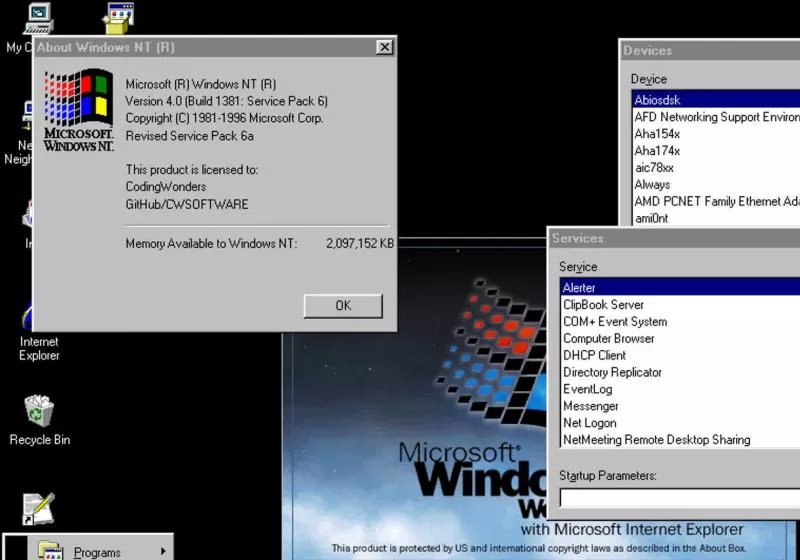
On August 24, 1996, Microsoft marked a major milestone in PC operating systems history with the retail release of Windows NT 4.0. This operating system brought the user-friendly interface of Windows 95 to workstations. Although Microsoft developers backported the Windows 95 GUI to the NT world, they omitted many user-friendly features found in Win9x.
Launched in 1993, Windows NT 4.0 was Microsoft's first true 32-bit operating system, initially featuring the DOS-based Windows 3.x user interface. However, in 1996, both NT and Windows 9x technologies adopted the same interface, bridging the workstation and consumer markets. This unified experience eventually led to Windows XP. Microsoft veteran Raymond Chen detailed the complex task of porting the Windows 95 interface to NT, noting that the NT team had to recreate some Win9x GUI features from scratch, while others were easier to integrate.
The Windows NT Explorer shell enabled users to navigate storage volumes and file system structures, while the Start Menu, Taskbar, and other Win95 GUI elements were integrated seamlessly. Despite being a consumer-oriented interface, Windows NT 4.0 had limited support for popular Win32 applications, particularly games, and lacked full DirectX API support.
Nevertheless, Windows NT 4.0 ensured the Windows 95 GUI became part of computing history, paving the way for future Windows versions.
Written by urgent.news from TechSpot's reporting — not their text. Machine-written — may contain errors; check the original before relying on it.