Wind energy surplus fuels unregulated data centers in Brazil’s dry land
A renewable boom brought high rents and noise, and now, a shadowy tech expansion is arriving unannounced.
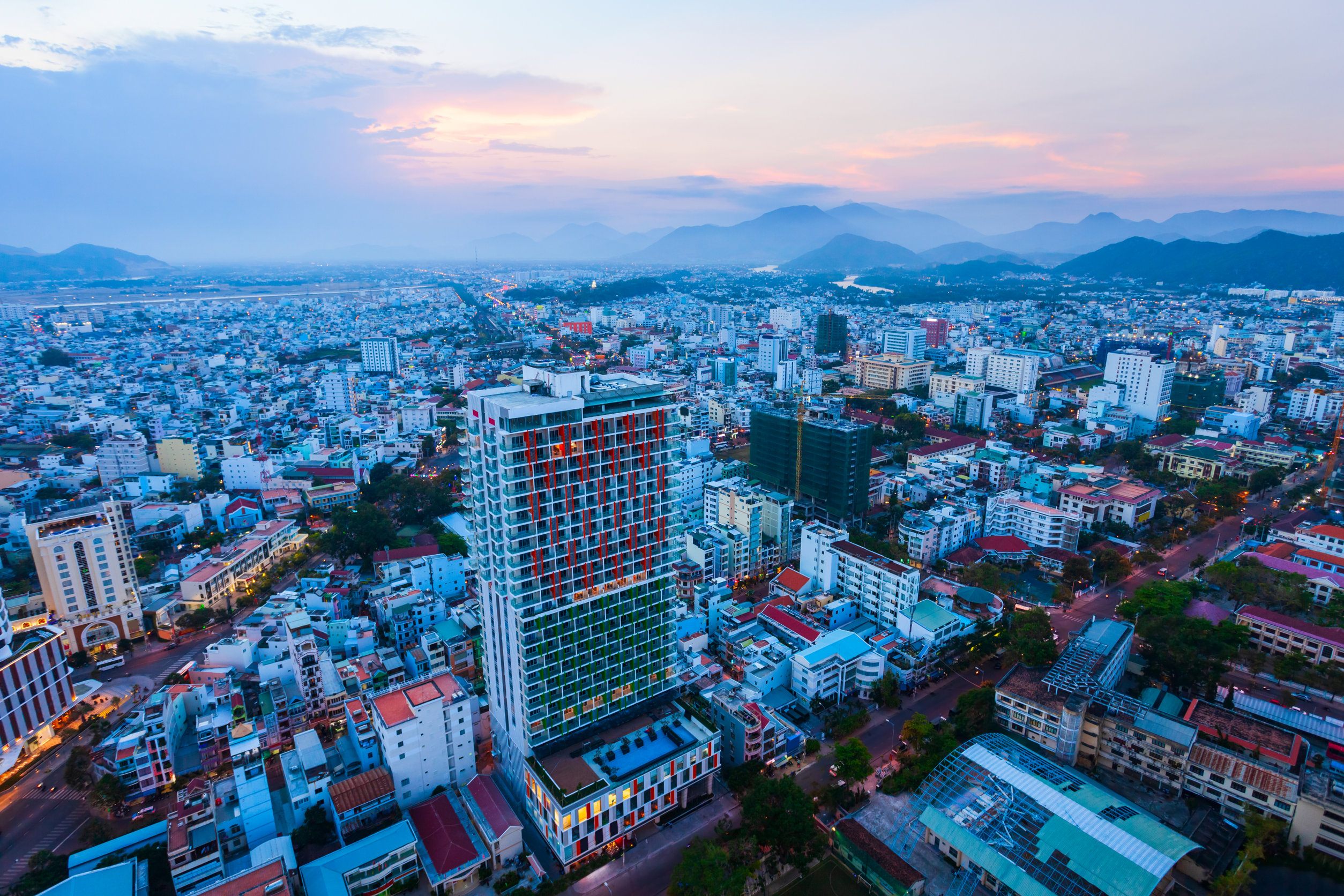
GENTIO DO OURO, Brazil — The city square in Gentio do Ouro, situated in northern Bahia state, showcases the typical Brazilian town layout: the municipal building, a bank branch, a bandstand, and a sign identifying the town's name. However, a notable difference lies beyond the town's horizon: a cluster of towering wind turbines used for energy generation.
Gentio do Ouro was identified as a potential site for wind turbines over a decade ago and currently hosts 28 wind farms, according to data from the Energy Transition Observatory. Nevertheless, the town's sustainable appeal lies not in its wind turbines but in its proximity to the Chapada Diamantina mountains, a well-known eco-friendly destination.
Despite the town's association with mining, another influential force is emerging in Gentio do Ouro: the establishment of data centers. These facilities, similar to factories, consume vast amounts of energy to process internet-related activities, generating few job opportunities while causing environmental harm. With a population of just 11,000, Gentio do Ouro has been targeted by 12 proposals for data center connections to the energy grid.
The leading contender in this race consists of the same companies responsible for establishing wind turbines in the region, which have resulted in the degradation of biomes and disturbing the sleep of neighboring wind farms.
One street in Gentio do Ouro serves as a testament to the town's evolving relationship with renewable energy and data centers.
Written by urgent.news from Mongabay's reporting — not their text. Machine-written — may contain errors; check the original before relying on it.