Why your koeksisters are coming out dry and hard, and how to fix them
Are your koeksisters hard and dry instead of crisp outside and syrupy inside? These practical tips can help you get better results.
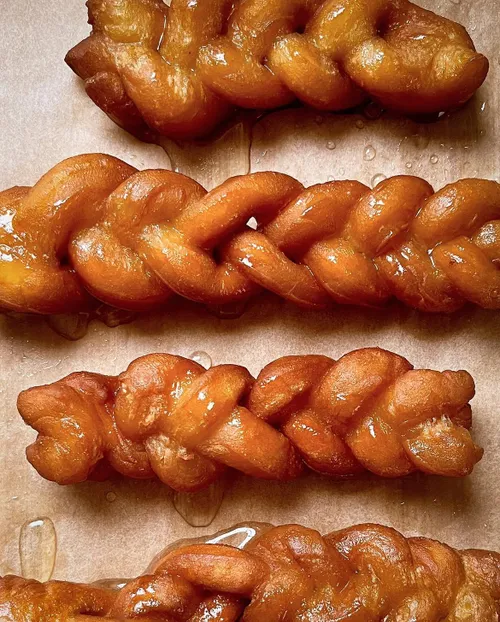
Koeksisters can turn out dry, hard, and not sweet enough, causing disappointment. The ideal koeksister should have a crisp, golden exterior and a soft, syrup-soaked center with spiced syrup clinging to it. Several factors can affect the final result, including the dough consistency, oil temperature, frying time, and syrup quality.
If you've already made the batch and it's too hard, check the syrup first. If it's too thick, adjust it according to the recipe and chill it properly, then give the koeksisters another quick dip in the cold syrup to help soften them. Over-kneading the dough can lead to a tougher texture, so let the dough rest as instructed in the recipe.
The temperature of the oil is crucial; too hot and the outside will brown quickly while the inside remains undercooked, while too cool oil causes the dough to absorb too much oil, making the koeksisters heavy and greasy. Keep the oil at a steady, moderate temperature and avoid overcrowding the pot. Fried koeksisters should be golden and cooked through, not dark brown.
Leaving them in the oil for too long can drive out moisture and create a hard exterior, making it harder for the syrup to soak in. To maintain the syrup's temperature, divide it between two containers – one chilled in the fridge and the other kept over a bowl of ice while dipping. A syrup that's been boiled for too long can become thick and sticky, so follow the cooking time in your recipe and avoid assuming that a thicker syrup will produce sweeter koeksisters.
Proper preparation is key; have your cold syrup ready before you start frying, and ensure the koeksisters go from the hot oil into the cold syrup without sitting around for several minutes. Use tongs to turn the hot koeksister and make sure the syrup reaches all sides, including the twists and folds. Avoid leaving the koeksister submerged for too long to prevent it from becoming soggy.
The dough thickness also matters; if the strips are too thick, the exterior will become crisp before the center has cooked properly. Roll the dough evenly according to the recipe and try to keep the pieces as uniform as possible. Lastly, be cautious of adding too much flour to the dough; it should be soft and pliable rather than stiff.
Resist the urge to add more flour when the dough feels sticky, as this can result in a dense koeksister with a tough center. For the best results, focus on creating a soft dough, maintaining a steady frying temperature, and using properly chilled syrup. The key takeaway is the temperature contrast between hot koeksisters and cold syrup – achieve this, and you'll be closer to enjoying the crisp, syrup-soaked koeksisters everyone loves.
Written by urgent.news from IOL's reporting — not their text. Machine-written — may contain errors; check the original before relying on it.