Why Singapore’s Growing Political Diversity Matters
The city-state's civil society has grown considerably over the past decade. It also reflects an increasingly broad spectrum of opinion about issues foreign and domestic.
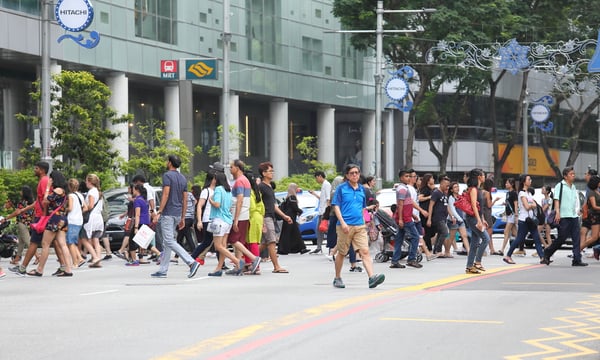
Since the 2011 watershed election, Singapore's political landscape has experienced significant growth in political diversity. The long-dominant People’s Action Party (PAP) now faces strong competition from alternative political forces, leading to more contested general elections and widespread coverage. The opposition parties have become more distinguishable in terms of their ideological positions and perceived competence, with a clear shift towards both pragmatic resistance and more confrontational activism.
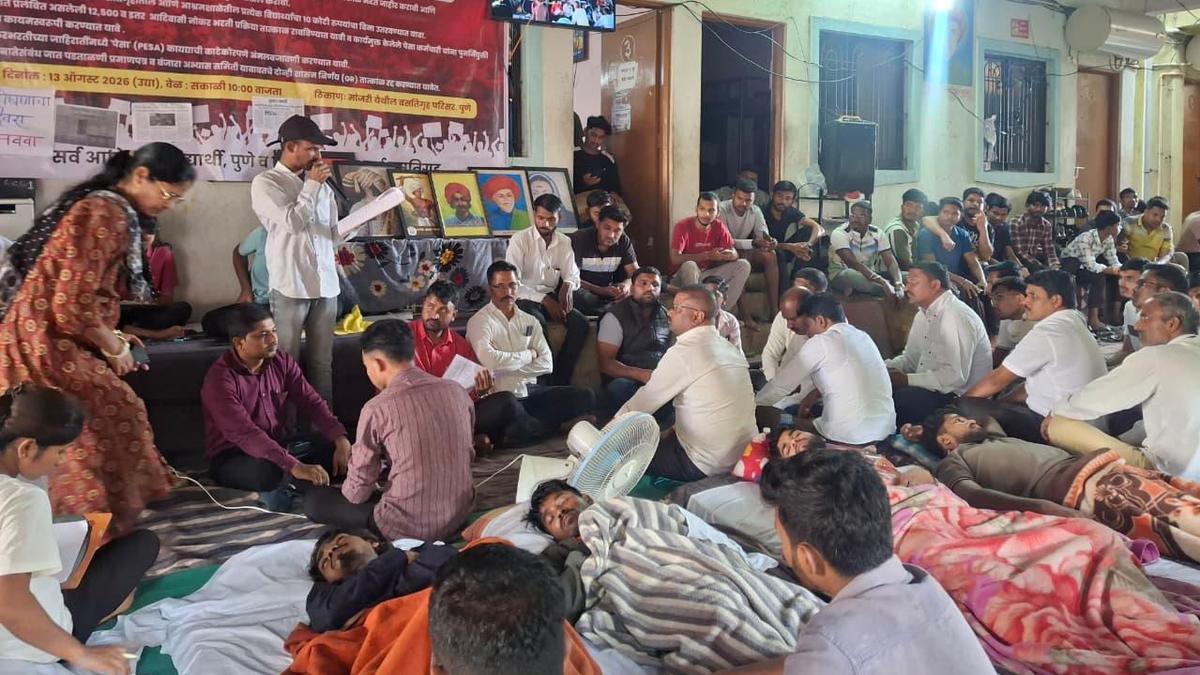
Civil society has also expanded in size and significance, with a plethora of advocacy groups championing causes such as political literacy, climate justice, and LGBTQ+ rights. The growth of civil society has occurred alongside the pluralization of alternative political forces, with formalized organizations and informal groups with strong social media presence co-existing. This has resulted in diverse perspectives on the best way to engage in activism, as well as different views on what democracy truly entails.
While the growth in political alternatives is a positive development, there is a concern that Singapore may be "getting plural before getting democratic." This paradoxical situation may make it more challenging to build broad coalitions to pressure the ruling party into adopting political reforms. Furthermore, the diversity of perspectives within civil society has also extended to foreign policy, where activists have varying views on Singapore's relations with other countries and global affairs.
Recent research suggests that Singaporean activists are more cosmopolitan and supportive of foreign support for their work on human rights, social and environmental justice, and democracy. However, there is also a significant minority that adheres to more self-determination or anti-colonial positions. This diversity in viewpoints highlights the need for careful consideration of how foreign states engage with Singapore's domestic politics.
Written by urgent.news from The Diplomat's reporting — not their text. Machine-written — may contain errors; check the original before relying on it.