Who gets to feel the state is ‘beside them’?
A capable state must do more than deliver programs, it must ensure that all citizens can hold power accountable and participate as equals.
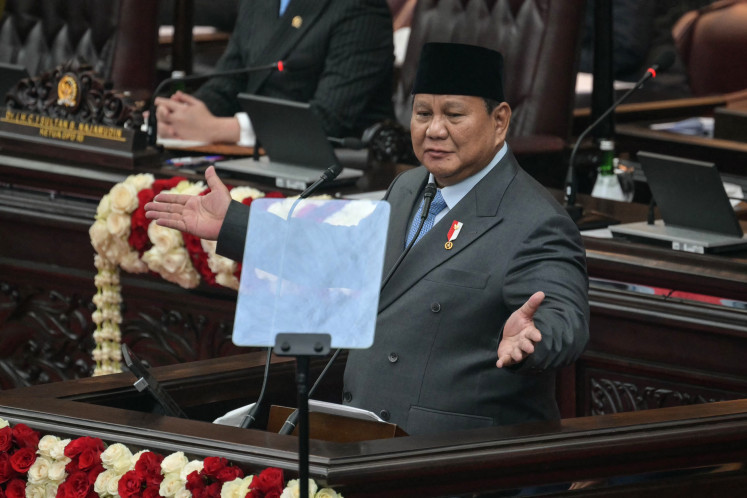
Indonesia commemorated 81 years of independence recently, yet faced a devastating earthquake just days earlier. This stark contrast raises a key democratic question: How does the state become "beside" its citizens, ensuring accountability and equal participation? President Prabowo Subianto emphasized this in his recent address, emphasizing the government's achievements, but primarily portraying citizens as beneficiaries rather than political participants.
While state capacity matters, it alone does not guarantee democratic accountability. Citizens must also have the means to influence state decisions, shape policies, and demand rights. In many cases, the state appears as an institution complicit in land disputes and worker exploitation rather than a protector. Indigenous communities, for instance, face dispossession of customary territories, while migrant workers endure issues like recruitment fees and exploitation.
The challenge lies not only in ownership of land but in recognizing indigenous communities as rights-bearing citizens with political agency over their territories.
Written by urgent.news from The Jakarta Post's reporting — not their text. Machine-written — may contain errors; check the original before relying on it.
Also reported by 1 other outlet
- Who gets to feel the state is ‘beside them’? thejakartapost.com