When every phone becomes a satellite phone, what's next?
The smartphone is quietly becoming something else: a satellite phone. No fanfare. No new handset. Just a phone that can reach the sky when the ground network disappears. From Japan to the Philippines, the mobile dead zone is being turned into a wholesale product—and the companies that own the satellites could eventually have a say in what that coverage costs. Starlink’s Direct-to-Cell (D2C)…
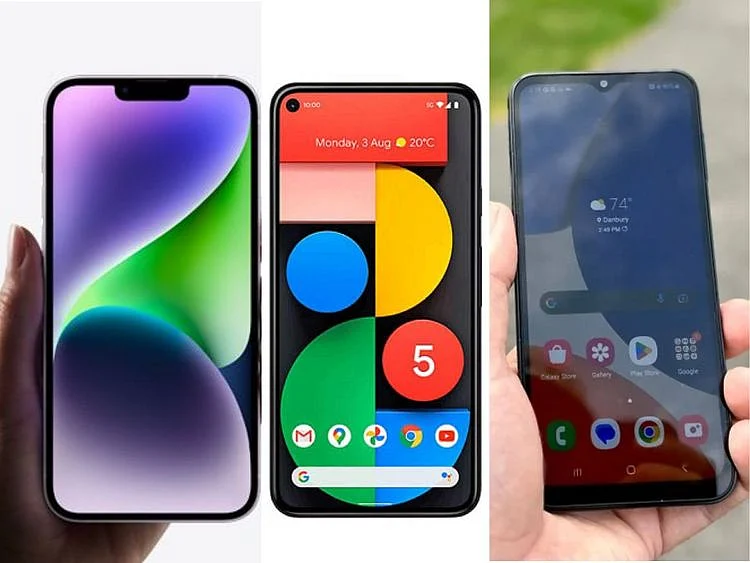
Smartphones are evolving into satellite phones, with no need for new hardware or special handsets. Companies in Japan, the Philippines, the US, New Zealand, Australia, Canada, Chile, Peru, Switzerland and Indonesia are all testing or launching direct-to-cell services. Globe Telecom in the Philippines launched the first commercial satellite-to-mobile direct-to-cell service using SpaceX's Starlink LEO satellites, enabling ordinary LTE phones to connect directly with space.
The service initially focuses on text messaging, emergency alerts, location sharing, basic navigation and lightweight messaging apps. Direct-to-cell capabilities act as cell sites in space, allowing satellite connectivity to serve as cell sites. This technology is still in its early stages, but it has the potential to change the mobile industry by altering who pays for coverage.
While satellite networks have specific advantages, the scale of companies like Starlink and China's Spacesail is vast, making direct-to-cell a significant development in mobile technology.
Written by urgent.news from Gulf News's reporting — not their text. Machine-written — may contain errors; check the original before relying on it.