What It Takes to Be an Adaptable Engineer
The AI boom has disrupted the way engineers work, introducing new tools to learn, raising expectations for what teams can achieve in a workday, and making it harder to get hired in the first place. This makes it difficult to advise students on which specific coding languages or technical skills they should learn. So amidst the uncertainty, advice for young professionals often turns to a common…
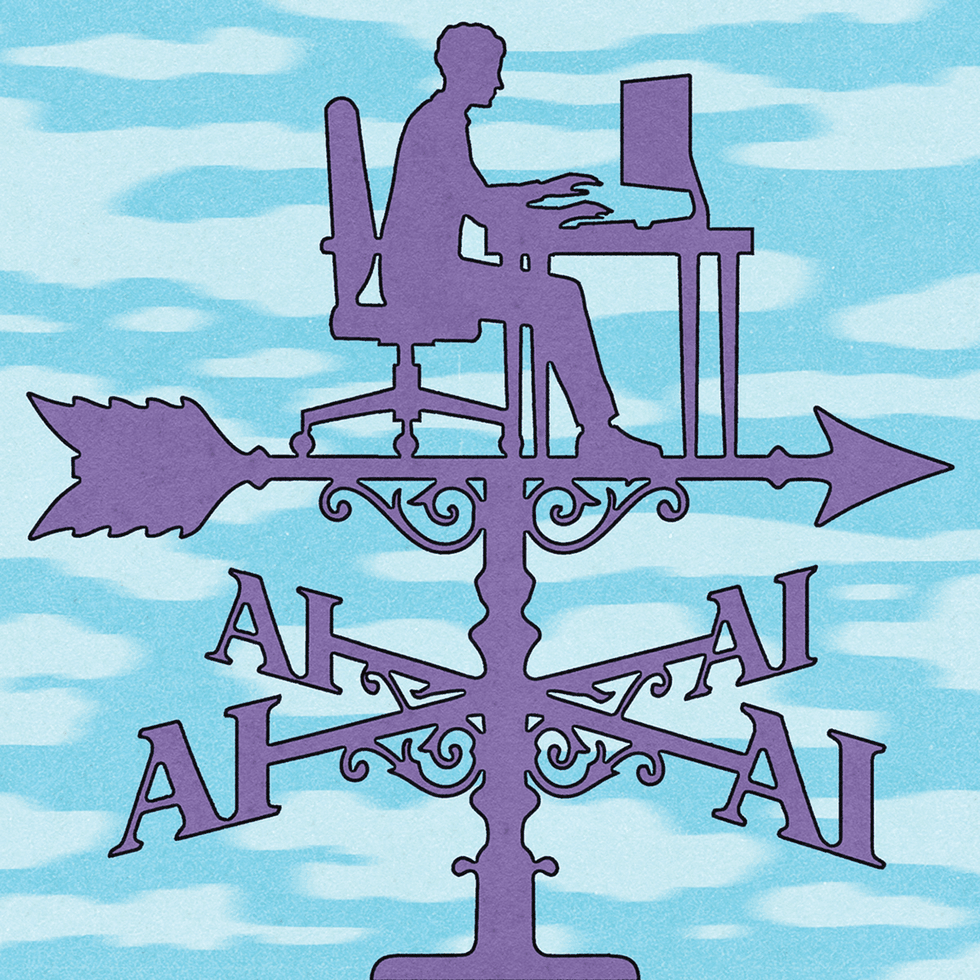
The rapid advancement of artificial intelligence is transforming the roles and responsibilities of engineers across various industries. To thrive in this new landscape, engineers must develop adaptability – the ability to recognize change and respond effectively – as a core skill. However, universities and workplaces often fall short in teaching students how to be adaptable.
Samantha Brunhaver, an associate professor of engineering at Arizona State University, has been studying how to foster adaptability among young engineers. She defines adaptability as "the ability to recognize that a change or uncertainty is occurring, and then respond effectively to that change." Yet, adaptability means different things to different employers. Software engineers must adapt to frequent tool changes, while aerospace and biomedical engineers need to stay updated on evolving procedures and regulations.
The pace of skill turnover in technology, media, and telecom sectors is the fastest, according to a June 2026 report from PwC. The World Economic Forum predicts that employers across all sectors will expect 39 percent of workers' core skills to change by 2030. This uncertainty can be uncomfortable, but with the right mindset and support from leadership, adaptability can help engineers stay competitive.
To cultivate adaptability, Brunhaver recommends offering students diverse real-world experiences like internships, team-based projects, community service, and leadership roles. Encouraging reflection and metacognition can also help individuals use adaptability more effectively. Ultimately, adaptability involves perceiving a need to adapt, evaluating options, and acting.
Even as tools evolve, the core responsibilities of engineering – problem solving and communication – remain stable. Andy Hunt, coauthor of The Pragmatic Programmer, emphasizes the importance of developing systems thinking over particular tools. By focusing on understanding information theory and system constraints, engineers can navigate the changing landscape with confidence.
Written by urgent.news from IEEE Spectrum's reporting — not their text. Machine-written — may contain errors; check the original before relying on it.