What Is Life Really Like Under the Taliban? We Asked Afghan Women.
Online influencers are framing Afghanistan as a a beautiful, welcoming “hidden gem.” That may be true for tourists – but what about the women who live there?
Don't fall for the misleading media portrayal of Afghanistan, a message echoing across social media platforms like TikTok and Instagram. Despite five years since U.S. and NATO forces withdrew, leaving the Afghan Republic in ruins, travel influencers – even female ones – are promoting Kabul's vibrant markets and picturesque mountain valleys.
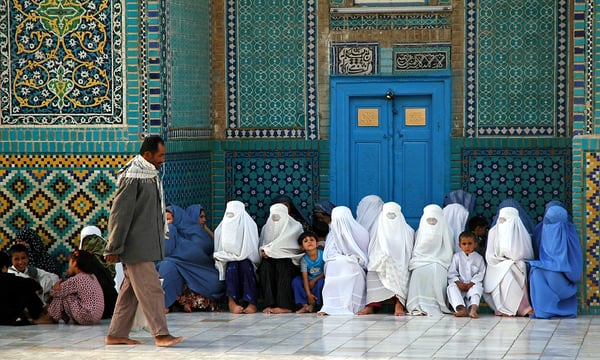
The Taliban sees these tourists as a publicity boon, an opportunity to project an image of safety, stability, and business-friendly policies. However, the grim reality paints a starkly different picture. Since September 2021, Afghan girls have been barred from attending school beyond the 6th grade. Women have been systematically excluded from most professional roles, including those in government offices and non-governmental organizations.
In December 2022, mere months after hundreds of women took university entrance exams, the Taliban issued a ban on women's education at all public and private universities. In August 2024, the Taliban solidified their authority with the enactment of a comprehensive law, the Propagation of Virtue and Prevention of Vice, which mandates women to fully cover their faces in public and prohibits them from singing, reciting, or reading aloud outside the home.
The United Nations reports that three-quarters of Afghanistan's population, around 28 million people, cannot meet their basic daily needs. Over 64 percent live in multidimensional poverty, lacking clean water, adequate food, essential medicine, and proper housing. How can the same landscape be a picture-perfect destination for travel influencers and an oppressive environment for the women who reside there?
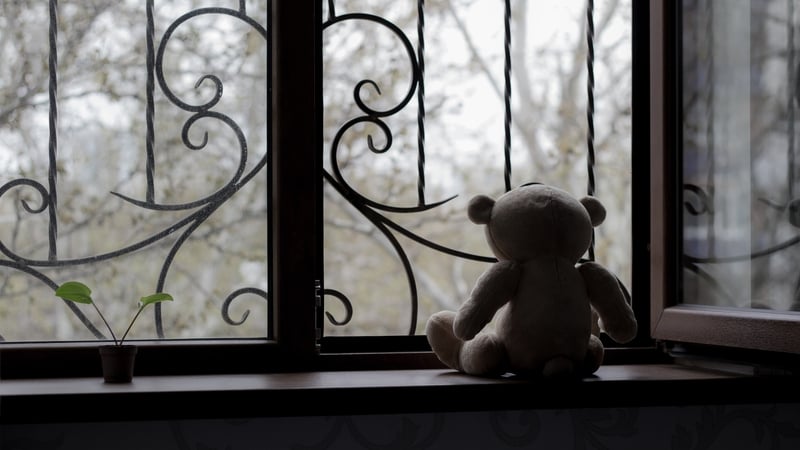
To find the answers, we turned to Afghan women themselves, with the support of Rukhshana Media and other local contacts. These women, who have chosen to conceal their identities due to potential retaliation, have experienced both the Taliban's public facade and the harsh realities of life under their rule. They recognize the stark disconnect between the Taliban's outward appearance and the concealed suffering of ordinary Afghans.
As Rukhshana Media continues to face financial challenges, every contribution helps sustain their team of 10 courageous reporters working clandestinely within Afghanistan, dedicated to delivering the truth about Taliban rule to the global audience.
Written by urgent.news from The Diplomat's reporting — not their text. Machine-written — may contain errors; check the original before relying on it.