What Gen Z‑led uprisings across Asia reveal about the strengths and limitations of youth protest
Recent Gen Z-led uprisings have reshaped political narratives across Asia, raising a pointed question: Can street-level youth outrage be transformed into governing power and lasting institutional change? Or does it burn out once the protests end?

Since spring 2025, a wave of youth-led uprisings has swept across Asia, challenging conventional notions of political change. These protests, originating from digitally connected young people in countries such as Nepal, Bangladesh, Sri Lanka, Iran, Myanmar, the Philippines, and more recently, India, have sparked debates on whether street-level outrage can evolve into lasting institutional change or simply fade away once protests conclude.
Nepal stands out as the most transformative of these movements. The spring 2025 uprising succeeded in reshaping public discourse, forcing concessions, and even toppling a leader, yet it went further by replacing an entire political class in a single election. This shift was catalyzed by Gen Z influencers who rapidly organized using viral hashtags, turning scattered frustrations into a coordinated nationwide movement overnight.
However, this digital mobilization rested on deeper, longstanding grievances such as corruption, unemployment, and elite impunity.
Nepal's socioeconomic landscape was marked by high youth unemployment rates, low transparency indices, and significant remittances sent home by Nepalis working abroad, indicating a significant brain drain. The government's swift response to the uprising, including the resignation of the prime minister, dissolution of the lower house of Parliament, and the formation of an interim cabinet led by the first female head of government, helped maintain political stability.
This swift action contrasted with fears that the unrest might lead to further external interference, particularly from domestic powers and international donors.
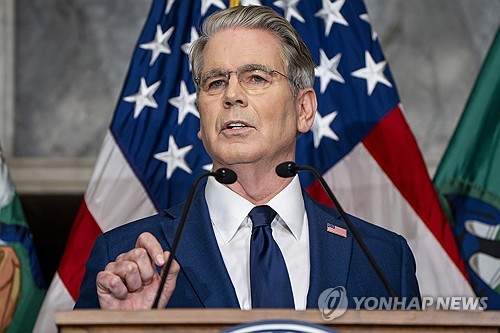
Following the elections on March 5, 2026, Nepali voters overwhelmingly endorsed the Rastriya Swatantra Party, propelled by the aspirations of the Gen Z movement. The RSP secured 182 out of 275 parliamentary seats, marking one of the most significant political transitions in Nepal's democratic history. This election delivered a mandate for change unlike any other in the region, setting the stage for a new government led by Balendra Shah, the country's youngest prime minister.
This contrasted sharply with other countries in the region. Bangladesh and Sri Lanka saw elections or political negotiations shaping transitions, while India's youth movement, driven by issues like leaked examination papers and graduate unemployment, resulted in policy promises but did not overturn the existing political establishment. The Philippines and Indonesia also experienced substantial public pressure from youth protests without changing the governing power structure.
Nepal's case represents a unique example of youth activism driving comprehensive political change. The new government's pledge to implement a 100-point reform agenda focused on political integrity, administrative efficiency, and anti-corruption measures raises hopes for tangible improvements. However, the challenge lies ahead. With thousands of young Nepalis migrating abroad annually for work, many still await basic employment opportunities at home.
The success of the new government will depend on its ability to translate its reform promises into tangible benefits for the youth, addressing both unemployment and societal expectations of change.
Written by urgent.news from Phys.org's reporting — not their text. Machine-written — may contain errors; check the original before relying on it.