Washington Is Creating Forever Enemies
The United States must learn to forget the pain of humiliation.
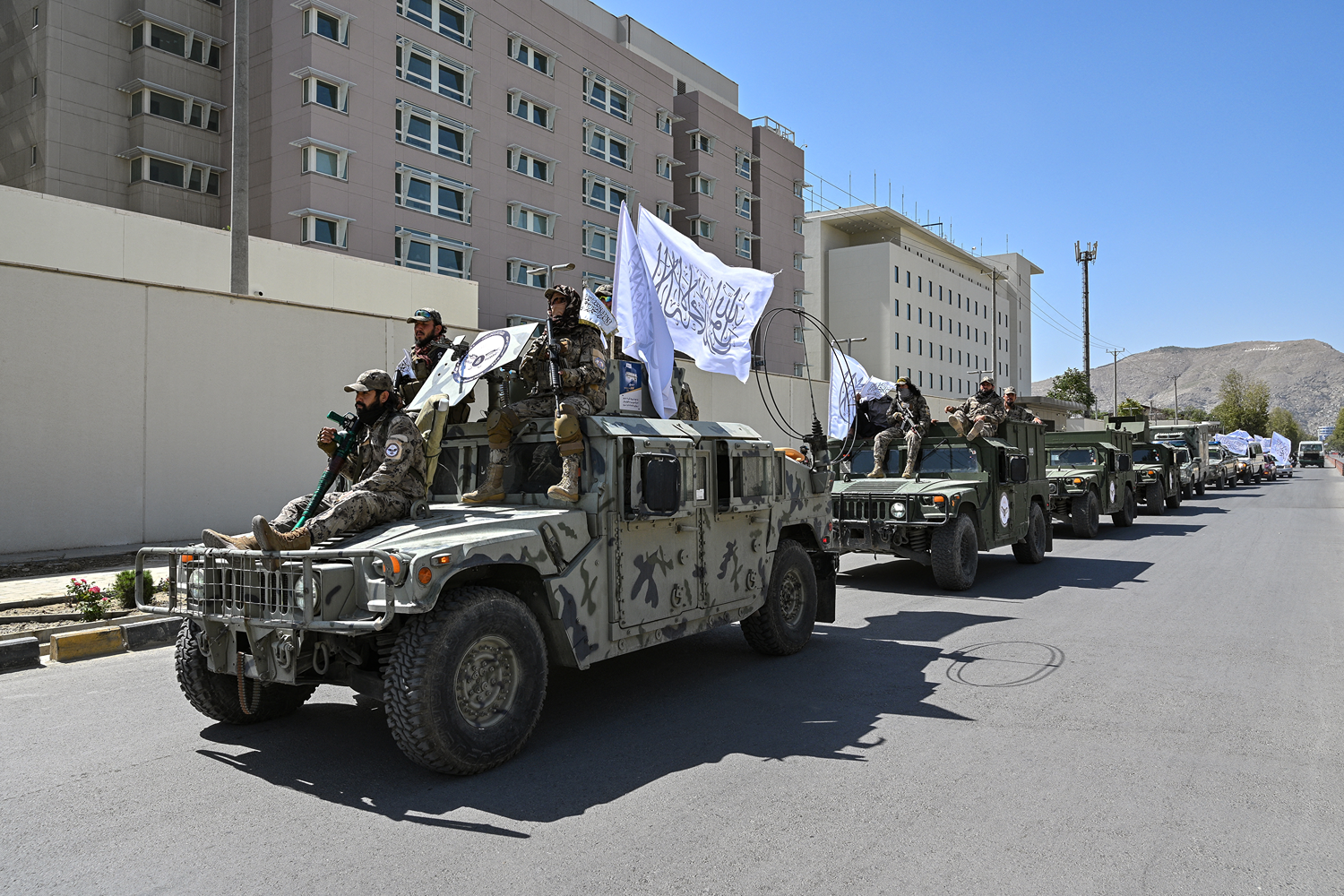
Washington's habit of creating lifelong adversaries has far-reaching consequences. Analysts frequently discuss "forever wars," but the issue of "forever enemies" receives scant attention. Once a country becomes an adversary in Washington's imagination, it remains so, regardless of changing circumstances. This tendency has left numerous countries on America's list of grudges, often rooted in events decades old.
Cuba, Libya, and Iraq are prime examples, with their ties to Iran further complicating matters. The 1979 Iranian hostage crisis remains a profound humiliation for Americans, and Iran's perception as a hostile regime persists due to events like the 1983 Beirut bombing and various acts of aggression. However, Iran's current grievances predate the present conflict, including the 1988 downing of Iran Air Flight 655, U.S. support for Saddam during the Iran-Iraq War, and a sanctions regime that disproportionately affects civilians.
These core grievances have reached middle age, yet Iran's understanding remains static. The United States has treated Iran as a "mullah regime" rather than recognizing the hybrid nature of its leadership. A misreading of Iran's evolving dynamics has led to a lack of productive engagement, as seen in the belief that killing Supreme Leader Ayatollah Ali Khamenei would decapitate the regime.
The United States faces similar challenges in Afghanistan, where its understanding is clouded by historical grievances and a misguided approach to the Taliban.
Written by urgent.news from Foreign Policy's reporting — not their text. Machine-written — may contain errors; check the original before relying on it.