Warsh intenta tranquilizar a los inversores ante las señales de tensión económica
Los economistas critican la estrategia de comunicación del presidente de la Fed mientras las autoridades preparan el próximo encuentro en Jackson Hole. Leer
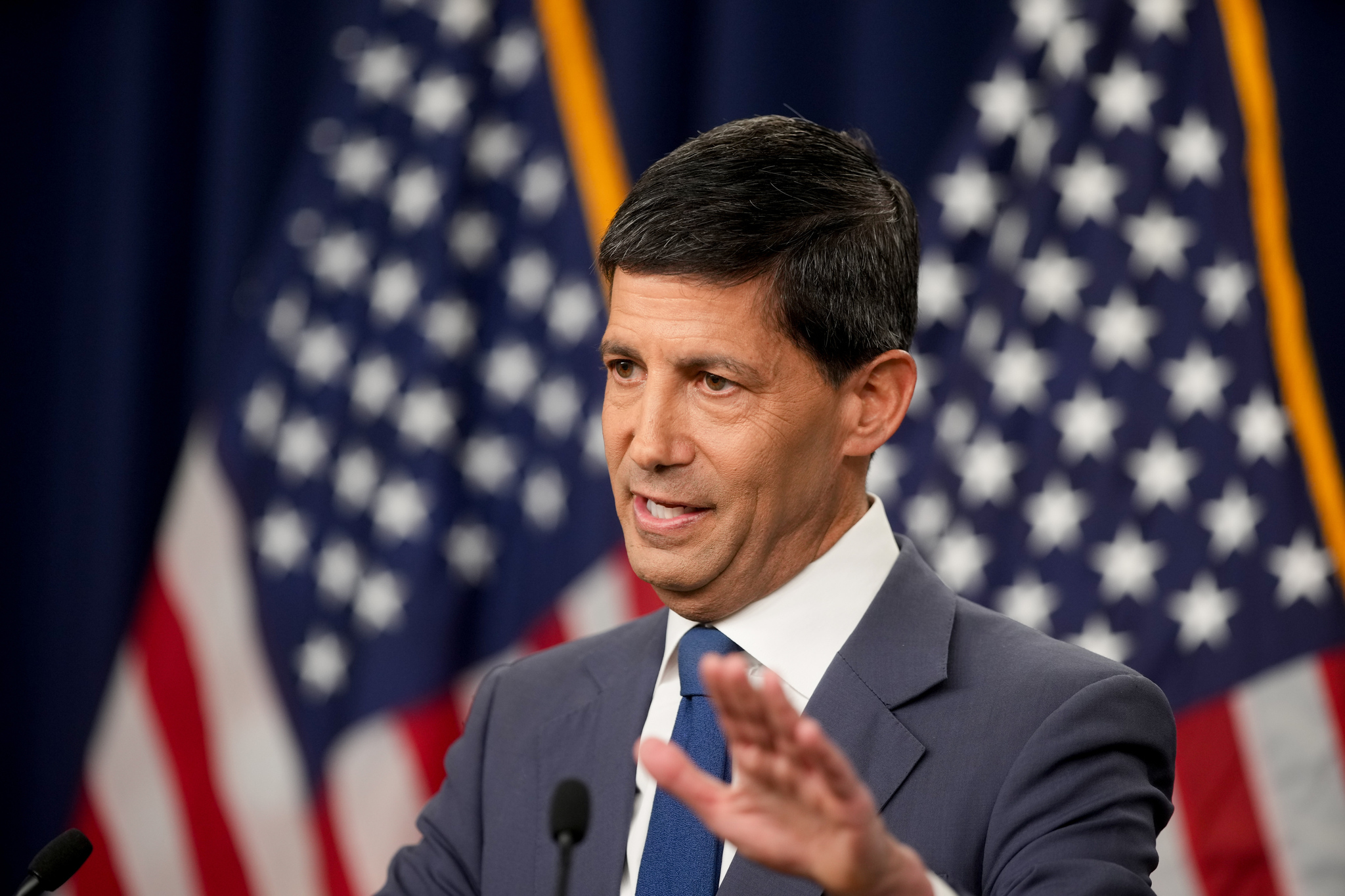
Federal Reserve Chairman Kevin Warsh is attempting to reassure investors amid signs of economic tension ahead of an important meeting in Jackson Hole. The U.S. public debt reached a record $40 trillion last week, and long-term bond yields hit their highest level in 19 years. Reciprocal tariffs announced by Canada and the threat of a "Day of Economic Damage" against Iran could bring more economic shocks.
Warsh and U.S. Treasury Secretary Scott Bessent, both appointed by President Donald Trump, also face increasing pressure on their communication strategy for economic policy. Some investors claim that Bessent's abrupt announcement about bond repurchase this week reduced the credibility of Treasury guidelines. Warsh has minimized Fed communication with investors, significantly cutting predictions for future interest rates.
At the Federal Reserve's Kansas City meeting on Friday, Warsh will speak to central bankers and economists for the first time since his appointment, likely outlining the framework justifying his austere style. In a Financial Times survey of academic economists, most expressed concern that inflation would take longer to control than early this year.
Around 60% of respondents said it would take the central bank longer to return to its 2% target than when Warsh was confirmed as Fed chairman in mid-May. Inflation has exceeded the 2% Fed target for over five years, and the Iran-US conflict has driven up gasoline and diesel prices, adding a fresh upward pressure on prices. Recent Canadian tariffs and the administration's threats to countries supporting Iran could worsen the situation.
The concern is Warsh's reluctance to provide a clear, transparent assessment of the current state and outlook of the U.S. economy, says Christiane Baumeister of Notre Dame University. This leads to unnecessary speculation that could endanger stability and raise doubts about the Fed's credibility, she adds. Over 60% of respondents said concern over the credibility of the U.S. central bank had a very significant or considerable impact on the rise in long-term yields since Trump nominated Warsh in late January.
Robert Barbera of Johns Hopkins University noted that Bessent's intervention in the bond market had generated uncertainty about the value of the dollar. A weaker U.S. currency would increase inflation risks by making imports more expensive. Eric Rosengren, former Boston Fed president, said Warsh could remain silent on future decisions but should explain the current ones.
The communication policy is causing a loss of Fed credibility, Rosengren said. Nearly three-quarters of respondents believed the change in Warsh's communication strategy from the more open approach of his predecessors (Jay Powell, Janet Yellen, and Ben Bernanke) was the most important thing he had done since taking office in late May.
Around 75% of respondents stated Warsh's performance since becoming chairman had met their expectations. Warsh had previously said he hoped breaking the feedback loop between the Fed and investors would mean markets focus more on economic data than on officials' comments. Johns Hopkins member Jon Faust, who previously advised former Fed Chairman Powell, said Warsh had largely dispelled doubts about whether he would yield to Trump's pressure to lower interest rates despite high inflation. Most major scenarios have been ruled out, Faust concluded firmly.
Written by urgent.news from Expansion ES's reporting — not their text. Machine-written — may contain errors; check the original before relying on it.