US refiners face risky trade-off: Record profits or plant failures
AgenciesUS refineries have operated near maximum capacity for the longest sustained period in over a quarter century, scrambling to capture windfall profits created by the Iran war...
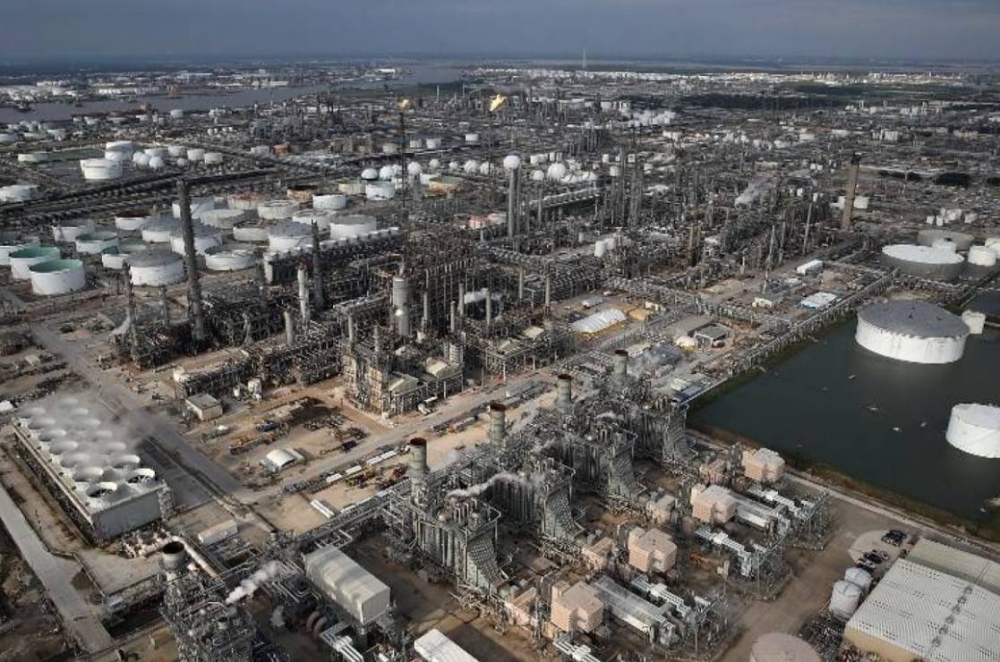
US refineries have been operating near capacity for the longest period in over a quarter of a century, driven by soaring profits from the Iran war. However, there are concerns that pushing plants too hard can lead to major failures, with global implications. The US, facing a tight global fuel market, has sustained elevated operating rates for months, potentially for years. This could result in an acute fuel shortage, demand destruction, and widespread economic pain.
A US-Zionist entity's air campaign against Iran in late February caused the closure of the Strait of Hormuz, disrupting a fifth of global oil supply and straining refining operations, particularly in Asia. Meanwhile, Ukrainian attacks on Russian refineries led to a suspension of diesel exports in July, causing a global collapse in fuel production. Global refinery throughput fell to 81 million barrels per day in July, nearly 6 percent below the level from a year ago.
The US, the world's largest crude producer and second-largest refiner after China, has responded by ramping up exports of crude, gasoline, diesel, and jet fuel to record levels to avert a supply shock. Major US refiners like Valero, Phillips, Marathon Petroleum, and Exxon Mobil have posted record or near-record second-quarter earnings. To generate these profits, many companies have postponed maintenance and kept plants running at full capacity.
The question now is how long this sustained maximum production can last before something breaks. This unprecedented period of 95 percent-plus utilization has occurred only three times in the past 11 weeks, with the closest parallels being in 1997 and 1998. In 1998, refineries even operated above 100 percent utilization, but this was driven by low crude prices and strong fuel demand, similar to conditions seen in 2000 when crude prices nearly doubled.
Today's situation differs from previous episodes, as the capacity crunch is primarily due to war-related damage in Iran and Russia. However, history shows that prolonged high utilization increases the risk of equipment failures, accidents, and unplanned outages. Many US refiners have deferred essential maintenance, pushing it to later in 2026 or even 2027, risking sharp and unplanned capacity losses.
The industry has a better understanding of these risks today, but the global refining crisis is unlike anything it has faced, with fuel inventories depleting and infrastructure damage likely leaving the world with reduced processing capacity for years. The industry faces a dangerous dilemma – the longer margins remain elevated, the greater the temptation to keep running flat out, but the harder they run, the greater the risk of failures.
Written by urgent.news from Qatar Tribune Business's reporting — not their text. Machine-written — may contain errors; check the original before relying on it.