US, China diplomats clash over tech spying and trade hub claims in Latin America
Diplomats for China and the US in Latin America have traded brickbats on social media over alleged espionage risks posed by Chinese tech firms in the region, in the latest sign of the two powers’ unfolding strategic tensions in the western hemisphere. US assistant secretary of state for western hemisphere affairs Juan Pablo Segura named telecoms giants Huawei Technologies, ZTE and Hytera,…
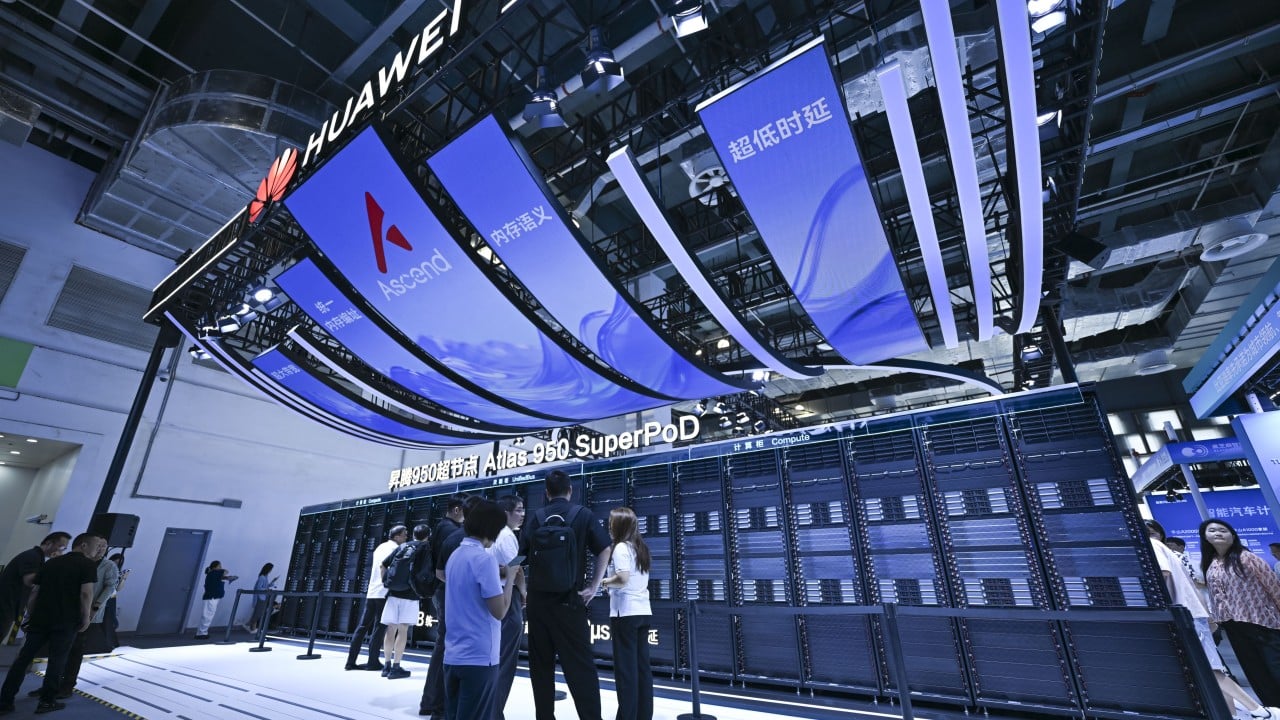
Diplomats from China and the United States in Latin America have engaged in a social media exchange over alleged espionage risks posed by Chinese technology firms in the region. The US assistant secretary of state for western hemisphere affairs, Juan Pablo Segura, named several companies, including Huawei, ZTE, Hikvision, Dahua, and DJI, as high-risk technologies in a post on social media.
Segura urged US partners in the Americas to switch to trusted suppliers to protect their people and sovereignty. Beijing's diplomatic mission in Panama rejected Washington's accusation, claiming it lacked factual basis and accused the US of engaging in intelligence activities across the region. The Chinese embassy also denounced the US for "blatant techno-bullying" by stretching the concept of national security to coerce regional countries into replacing Chinese products.
This verbal exchange over Chinese tech companies comes amid rising strategic tensions between Washington and Beijing, with the US designating the western hemisphere as a foreign policy priority. The latest exchange occurs just weeks before a scheduled summit between US President Donald Trump and Chinese President Xi Jinping in Washington.
The White House report published on August 13 also raised concerns by describing Latin American countries as part of a "shadow transshipment network" used by China to enter the US market under new identities.
Written by urgent.news from South China Morning Post's reporting — not their text. Machine-written — may contain errors; check the original before relying on it.
This story
This is one outlet's version. Read the fullest account.