UN chief proposes mechanism to protect fertiliser flow through Strait of Hormuz
UN Secretary General Antonio Guterres on Monday proposed a new mechanism to keep fertiliser and other essential goods moving through the Strait of Hormuz . The UN chief's comments came as he warned that traffic through one of the world's most important shipping routes had nearly ground to a halt as conflict drives up global energy and food costs. Oil prices remain about 33 per cent higher than at…
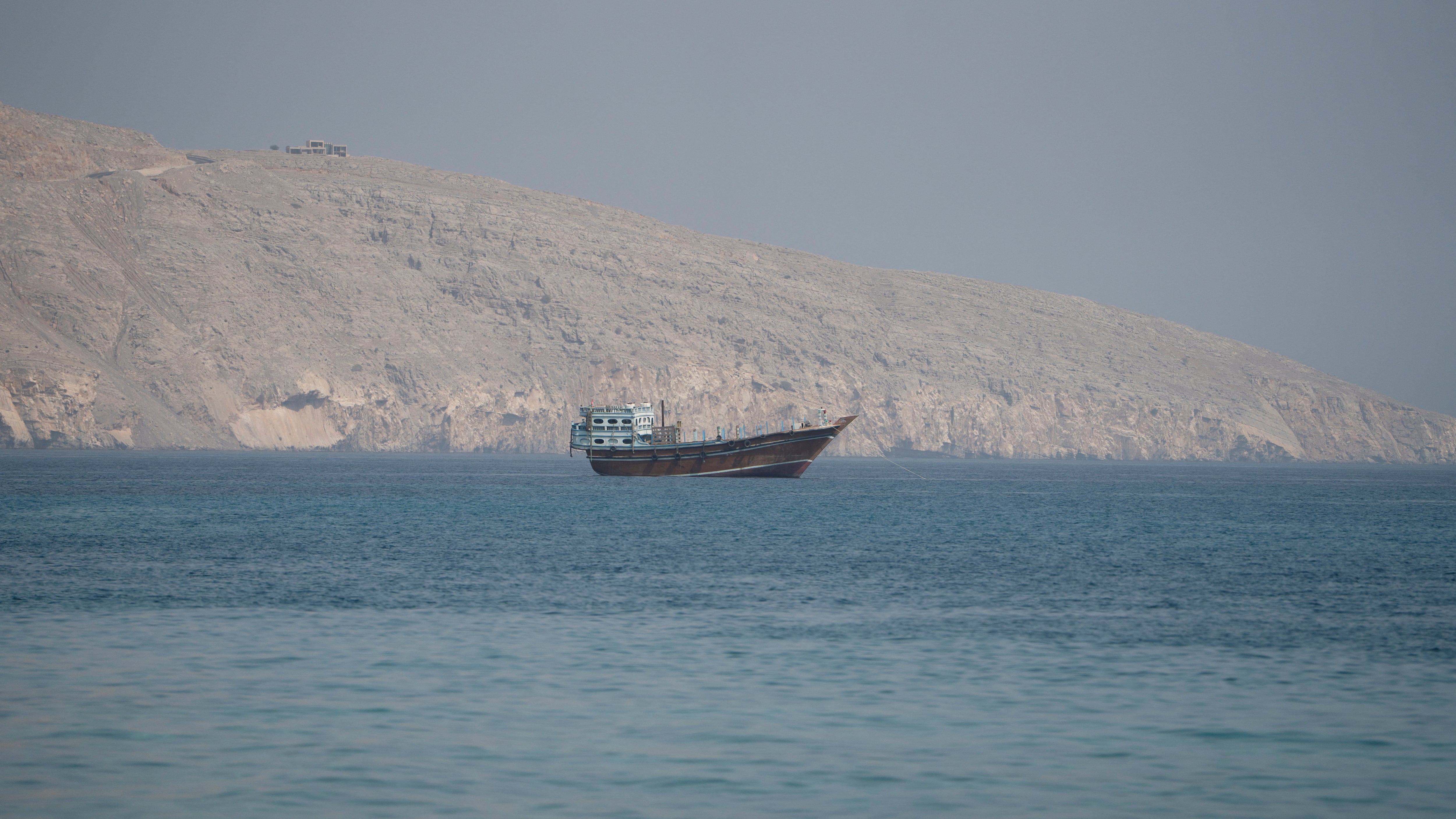
UN Secretary-General Antonio Guterres has proposed a new mechanism to safeguard the flow of fertilizers and other crucial commodities through the Strait of Hormuz. Guterres made this proposal as he cautioned that the transportation of goods along one of the world's most vital shipping lanes had nearly ceased due to conflict-driven surges in global energy and food expenses.
Oil prices currently stand approximately 33% above their pre-conflict levels, while global container rates have surged by a staggering 84% compared to the previous year, according to Guterres, who addressed reporters in New York. The rising costs of fertilizers and other essential inputs are also steeply increasing. Guterres emphasized that these crises are "choking the arteries of global trade and severely burdening the global food system," particularly citing disruptions in the Strait of Hormuz, the Red Sea, and other shipping routes impacted by the Ukrainian conflict.
US President Donald Trump asserted on Monday that Iran is "collapsing" as the US readies to unveil details of a fresh economic pressure campaign. Following the US naval blockade of Iran, Tehran's oil exports via the Strait of Hormuz have plummeted from two million barrels a day pre-war to just 0.4 million barrels by mid-August, as reported by maritime tracker Kpler.
The Strait of Hormuz is a key energy artery, facilitating roughly a quarter of global seaborne oil trade, along with significant quantities of liquefied natural gas and fertilizers. Speaking to the press, Guterres lamented that attacks on shipping are straining the global food system, leading to higher prices, heightened hunger, and diminished harvests.
He urged the full respect for international law and protection for civilian shipping. The disruption has escalated as efforts to resolve the US-Iran conflict remain stalled. Iran has maintained a blockade of the strait, which was not enforced prior to the war, contributing to global inflation and mounting domestic pressure on US President Trump ahead of the November midterm elections.
Guterres revealed that a UN task force he established in March has developed a time-bound confidence-building mechanism initially targeting fertilizers and related raw materials, with potential expansion to other products. Under this initiative, the UN would serve as a neutral facilitator to mitigate immediate risks and promote smoother and more predictable transit through the Strait of Hormuz.
The mechanism would not authorize passage or alter states' rights or obligations under international law, Guterres clarified. "It can be operationalized swiftly," he stated. "All parties involved are familiar with the details of how the mechanism would function." The UN chief also called for an immediate cessation of assaults on commercial shipping and civilian infrastructure in the Black Sea, an end to attacks on shipping in the Red Sea and around the Bab Al Mandeb, and the complete restoration of navigational rights in Hormuz.
"Maritime chokepoints must never become tools of coercion," Guterres warned. "The world's food supply must never be collateral damage of conflict."
Written by urgent.news from The National Business's reporting — not their text. Machine-written — may contain errors; check the original before relying on it.
Also reported by 1 other outlet
- UN chief proposes mechanism to protect fertiliser flow through Strait of Hormuz thenationalnews.com