Ukraine got independence as a gift in 1991. Now we pay in blood
Colonial theory calls what Ukraine got in 1991 flag independence. No anti-colonial struggle was ever bloodless.
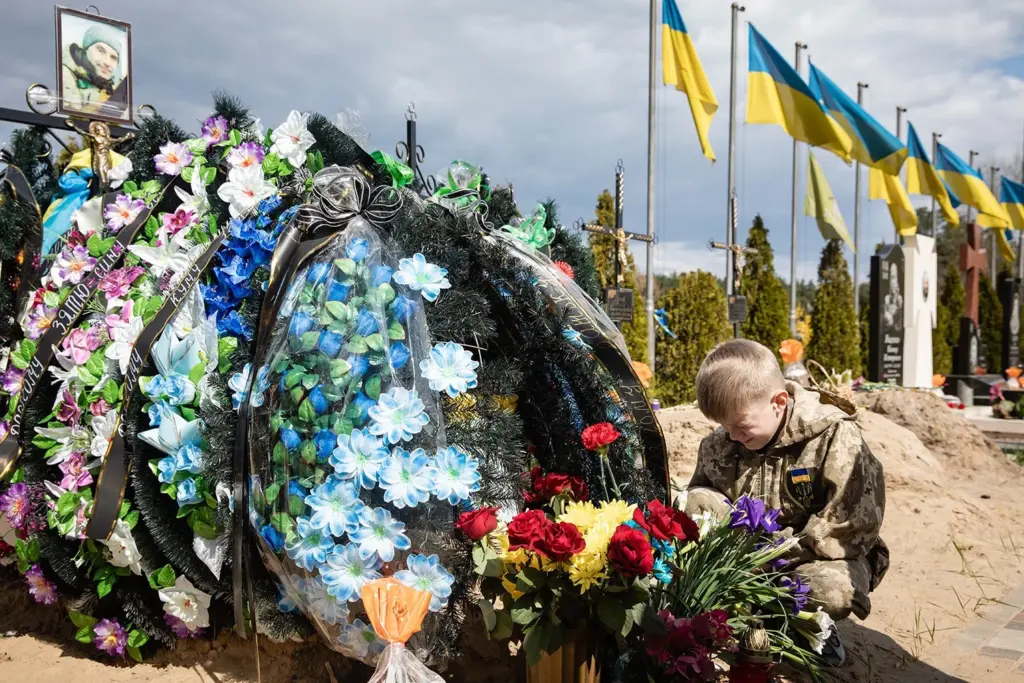
In 1991, Ukraine achieved independence, but the journey to genuine sovereignty has been far from over, according to a prominent voice reflecting on the nation's history. The speaker contrasts the initial independence declared in 1991—often termed "flag independence"—with the ongoing struggle for full, genuine independence that continues to this day.
This ongoing battle is described as a shift from merely declaring independence to actively waging a fight for real sovereignty within the framework of statehood. The declaration itself was a culmination of centuries of struggle, rooted in Ukrainian intellectual and religious heritage, dating back to the 19th century with figures like Taras Shevchenko.
The Soviet period witnessed further resistance through movements such as the Ukrainian Insurgent Army, which fought against multiple colonizers, embodying anti-colonial sentiments. The Act of Independence, while marking the end of a struggle for statehood, opened a new chapter of independence. However, the initial years post-independence saw remnants of neocolonialism, with Russian influence seeping into the economy, culture, and politics.
This neocolonial presence included corrupt practices and the presence of the Moscow Patriarchate, a symbol of Russia's influence. Today, the narrative has shifted—more independence exists than neocolonialism, a testament to three decades of relentless struggle. The fight against corruption, seen as an anti-colonial effort, underscores the continuity of this anti-colonial fight, demonstrating that true independence is an ongoing process, not a static end goal.
Written by urgent.news from Euromaidan Press's reporting — not their text. Machine-written — may contain errors; check the original before relying on it.