UK, Ukraine sign AI defence partnership linked to battlefield technology
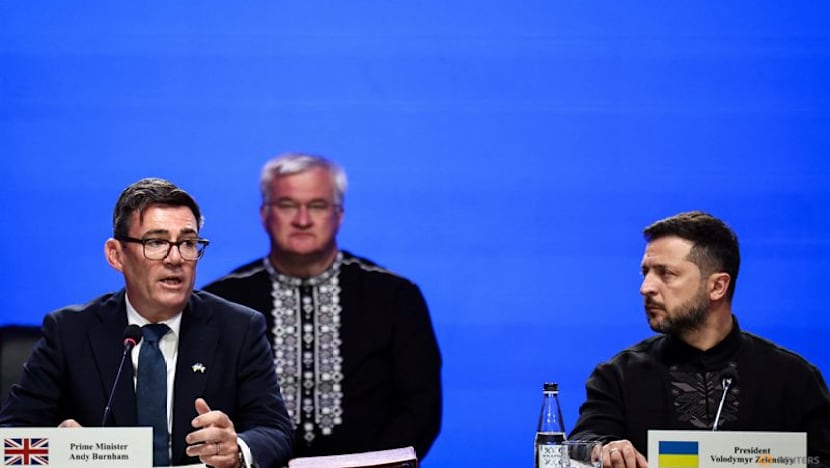
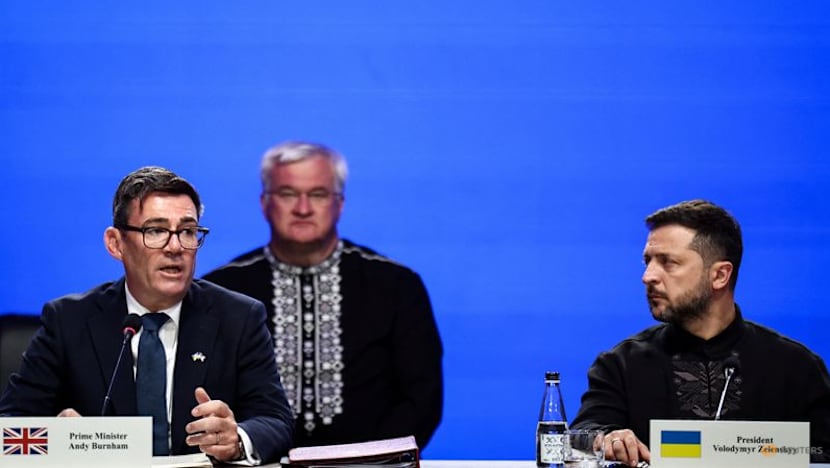
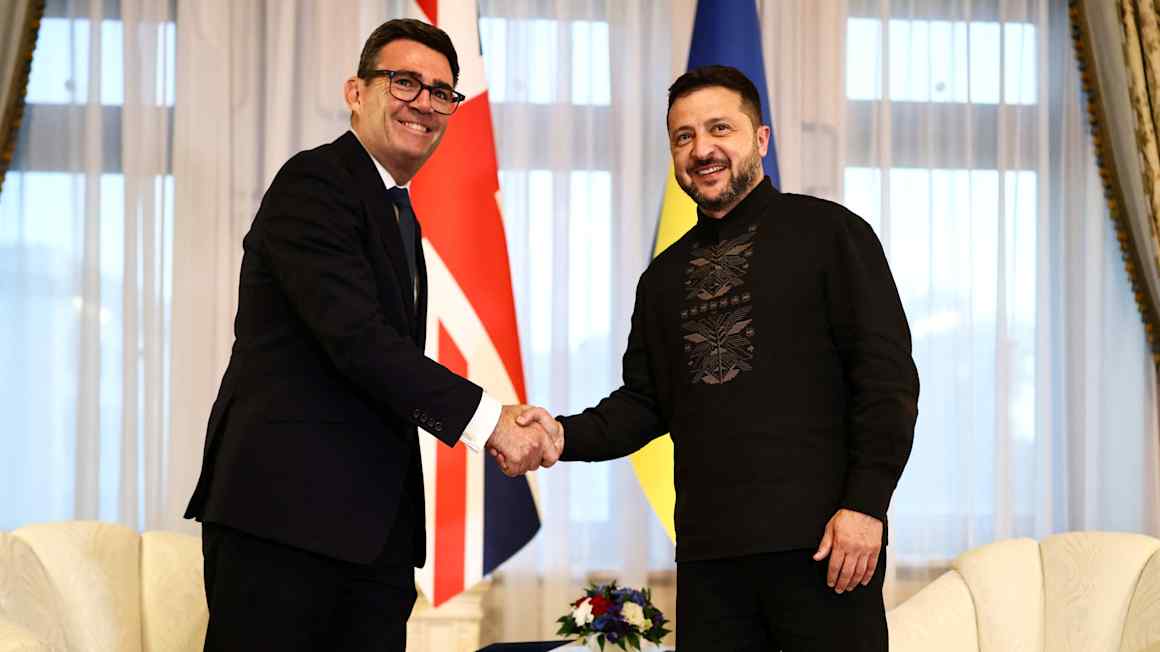
On August 24, Ukrainian President Volodymyr Zelenskyy and British Prime Minister Andy Burnham signed a landmark agreement in Kyiv, granting British defense companies unprecedented access to Ukraine's secret battlefield intelligence. The Times revealed that this data is a "gold mine" of invaluable battlefield insights, which will aid in developing more sophisticated weaponry and enhancing military defenses against Russian espionage.
This extensive database, maintained by Avengers Labs, houses millions of images from the frontlines, showcasing Russian tanks, air defenses, troops, drones, and artillery systems. The lab meticulously curates, organizes, and annotates the battlefield data gathered by drones, cameras, and sensors across the entire front line. Subsequently, this information fuels the creation of artificial intelligence models utilized in automated targeting systems.
Britain emerged as the inaugural nation to gain entry to this highly sensitive database. In return, Britain extended its support to Ukraine by offering expertise from its pool of engineers, scientists, and industry representatives, all specializing in artificial intelligence. The initial focus of this collaboration will be on the development of advanced weapons and bolstering national security.
The British Defense Ministry is convinced that the agreement has the potential to "revolutionize every area of life," from air traffic management to railways, upon its completion.
Currently, British defense firms have predominantly trained their AI models using "dirty" data, consisting primarily of materials from strikes and intelligence operations published online. However, this new collaboration allows them to harness a more refined and authentic dataset. Three British startups—Sintela in Bristol, Mind Foundry in Oxford, and Skyral in London—are already engaged in pilot projects, collaborating with Ukraine.
Prime Minister Burnham hailed the agreement as a "groundbreaking partnership," emphasizing that it "will combine Ukraine's unparalleled operational experience with the UK's world-class artificial intelligence ecosystem." The British leader also expressed optimism, stating that Ukraine has transformed into one of the world's leading innovators in defense technology due to courage, ingenuity, and the hard lessons learned during the war.
He further noted that the partnership would enable Britain to "develop the technologies of the future, changing people's lives here in Britain and saving lives on the battlefield in Ukraine."
On August 24, Britain announced its intention to provide Ukraine with the blueprint for the long-range Storm Shadow missile, capable of striking targets deep within Russia. French President Emmanuel Macron, addressing an online Coalition of the Willing meeting, pledged to closely monitor initiatives aimed at equipping Ukraine for the winter. He also proposed a meeting of defense and foreign ministers within a few weeks, dedicated to addressing the "shadow fleet" and ensuring comprehensive action across all fronts.
Written by urgent.news from New Voice of Ukraine's reporting — not their text. Machine-written — may contain errors; check the original before relying on it.
This story
This is one outlet's version. Read the fullest account.
- UK to use Ukraine battlefield data to train AI to protect sensitive sites theguardian.com
- Ukraine, UK sign declaration of intent to cooperate in AI en.interfax.com.ua
- Ukraine gives UK first access to secret battlefield data for defense AI english.nv.ua
- Ukraine to give Britain access to battlefield data to train AI therecord.media
- UK, Ukraine sign AI defence partnership linked to battlefield technology channelnewsasia.com