U.S. border reopens to Mexican cattle imports, but economists doubt the move will reduce high beef prices
The U.S. Department of Agriculture has said concerns about the New World screwworm's spread lessened enough to allow the movement of cattle from Mexico at a crossing in Douglas, Arizona.
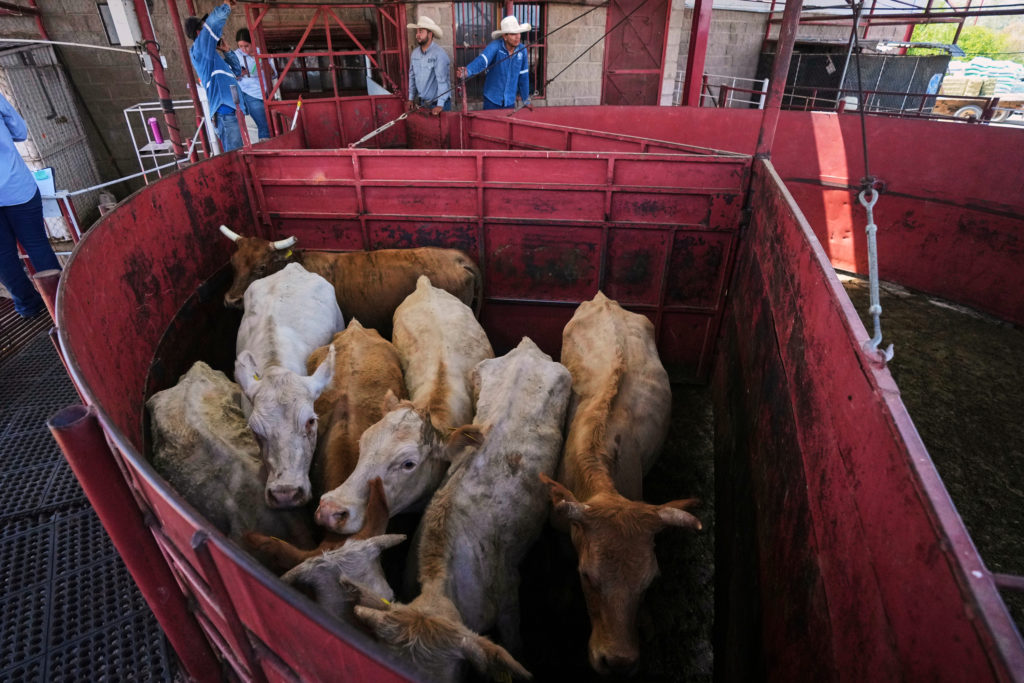
The U.S. is set to reopen a border crossing in Arizona to allow cattle from Mexico on Monday, as part of an effort to lower record-high beef prices, according to the Trump administration. However, economists remain skeptical that the move will have a significant effect on consumers. The USDA has deemed the risk of New World screwworm, a parasite that can kill cattle, low enough to resume importing cattle from Mexico via the Douglas, Arizona crossing, which is around 230 miles southeast of Phoenix.
The administration aims to reopen other crossings in New Mexico and Texas as well. President Trump has announced plans to import up to 331,000 tons of ground beef from Mexico tariff-free, to be sold at below-market prices for 90 days. This comes after the White House previously argued that closing the border to livestock imports from Mexico was necessary to control the screwworm, although it has worsened cattle shortages in the U.S. "The administration has a lot of incentive to claim they're doing something about high beef prices," noted Derrell Peel, a professor of agribusiness at Oklahoma State University.
Beef has been singled out due to its high cost and high-profile status. The USDA's phased reopening means it will take months for Mexican imports to regain their previous levels, with Mexico traditionally supplying 1.1 million head, or roughly 3%, of the U.S. cattle supply. Peel predicts that there won't be a noticeable impact on beef prices in the near future.
Written by urgent.news from Associated Press's reporting — not their text. Machine-written — may contain errors; check the original before relying on it.
This story
This is one outlet's version. Read the fullest account.