The Woolly Mammoth’s Comeback Is Taking Longer Than Expected
Colossal Biosciences now estimates that it will de-extinct a woolly mammoth sometime in the 2030s.
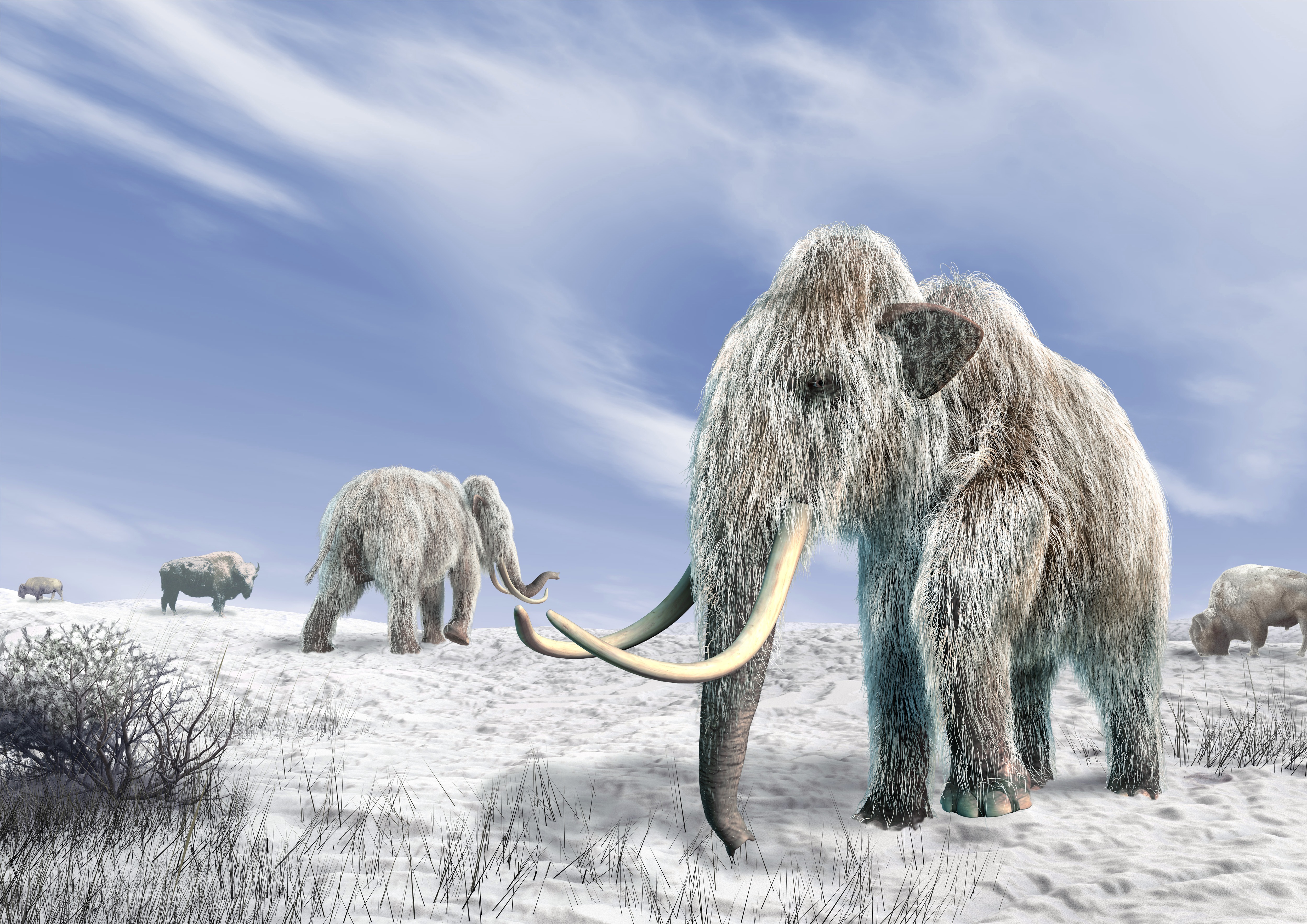
The excitement surrounding the return of the woolly mammoth has been set back due to the more extensive genetic modifications required than initially anticipated. Colossal Biosciences, the company leading this project, initially projected a 2027 birth date for a mammoth embryo, but now expects a birth in the early 2030s. The project encountered challenges with identifying and editing the right 150 genes to create a mammoth embryo.
Besides genetic concerns, Colossal scientists also discovered that the mammoth's distinctive thick coat was more complex than previously believed, involving sebaceous glands not found in elephants. They had to isolate and edit these genes to replicate the mammoth's coat. Additionally, Colossal has engineered woolly mice with mammoth hair coding, which have thrived, but they need to move on to larger mammals for further testing.
The company also found that elephants have unique resistance to cancer, which could have human implications. All these discoveries mean the mammoth comeback is taking longer than expected.
Written by urgent.news from Time's reporting — not their text. Machine-written — may contain errors; check the original before relying on it.