‘The boundless ocean set into a rage’: Why we are still drawn to shipwrecks
From ‘The Odyssey’ to William Turner’s painting or disaster cinema, the sinking of a ship is a perfect existential metaphor. But such catastrophes do not belong only to the past or to literature: they remain tragically current in the migration drama
The illustrious English painter William Turner, born in 1775, harbored a deep fascination for the raw power of the sea, as evidenced by his iconic painting "Snow Storm" (1842). This artwork purportedly depicts a harrowing storm scene, inspired by an alleged real-life experience Turner had while sailing aboard the Ariel, a small vessel that combined sail and steam power.
However, art historians like James Hall have debunked this anecdote as mere folklore, yet it remains a popular narrative in online circles, particularly in relation to the filming of Christopher Nolan's epic "The Odyssey".
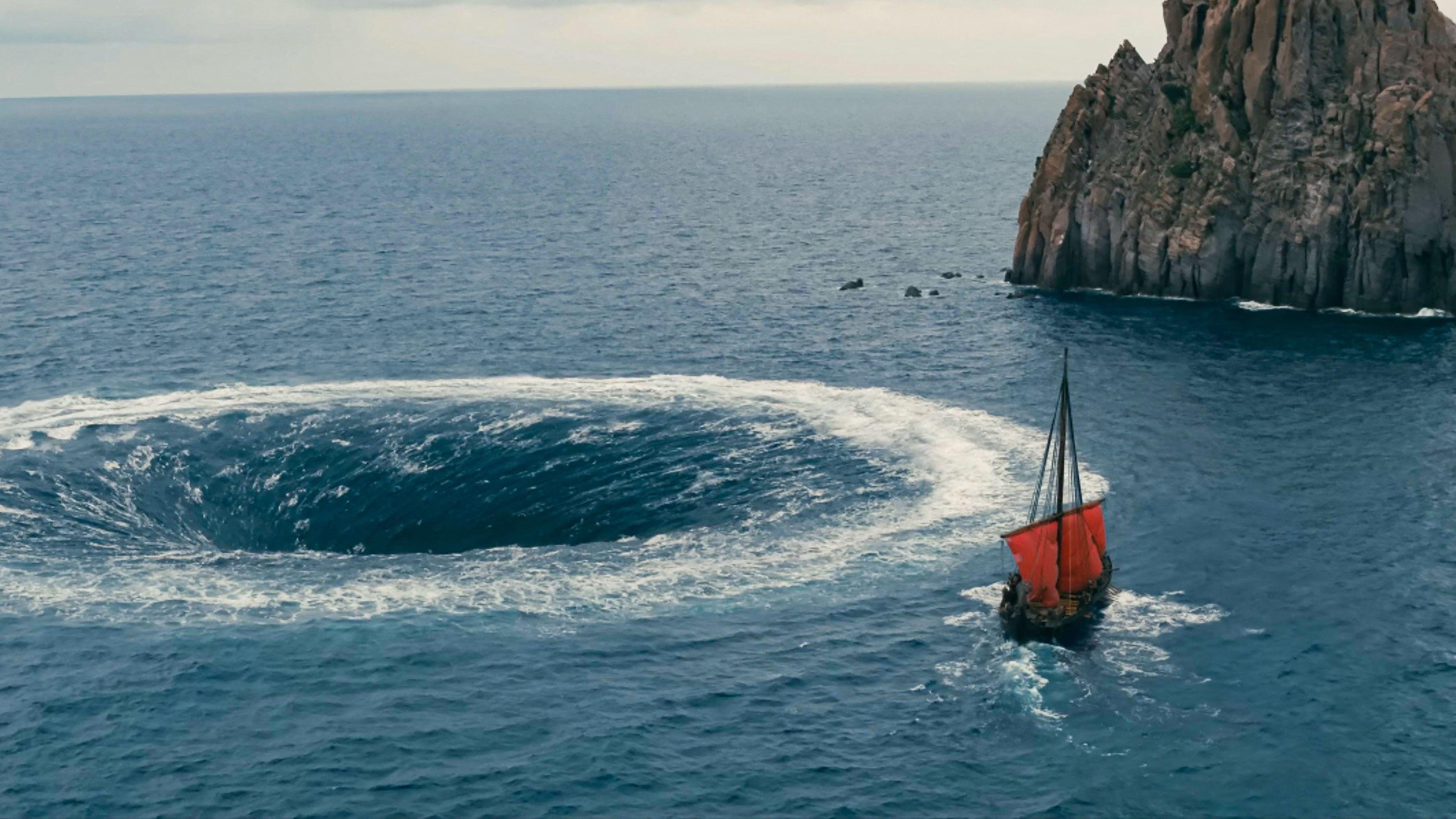
Instagram is inundated with videos showcasing the challenges faced by the film crew in attaching heavy IMAX cameras to the unstable rigs used for the shipwreck sequences, which feature a Viking ship replica as the primary set. Some of the actors involved in the production have candidly shared their experiences, revealing that they had to resort to motion-sickness medication during the filming of the shipwreck sequence on the island of Ogigia.
In this scene, Calypso, portrayed by Charlize Theron, imprisons Odysseus, played by Matt Damon, after the untimely demise of his crew. Christopher Nolan's ambitious vision was to immerse the audience in the unfiltered wrath of the ocean, achieving this by exposing his crew to genuine storms during the production process.
Written by urgent.news from El Pais English's reporting — not their text. Machine-written — may contain errors; check the original before relying on it.