The Art of Mess in the AI Era
AI will be shaped by artists whose choices are specific enough to resist its defaults, writes Debbie Millman.
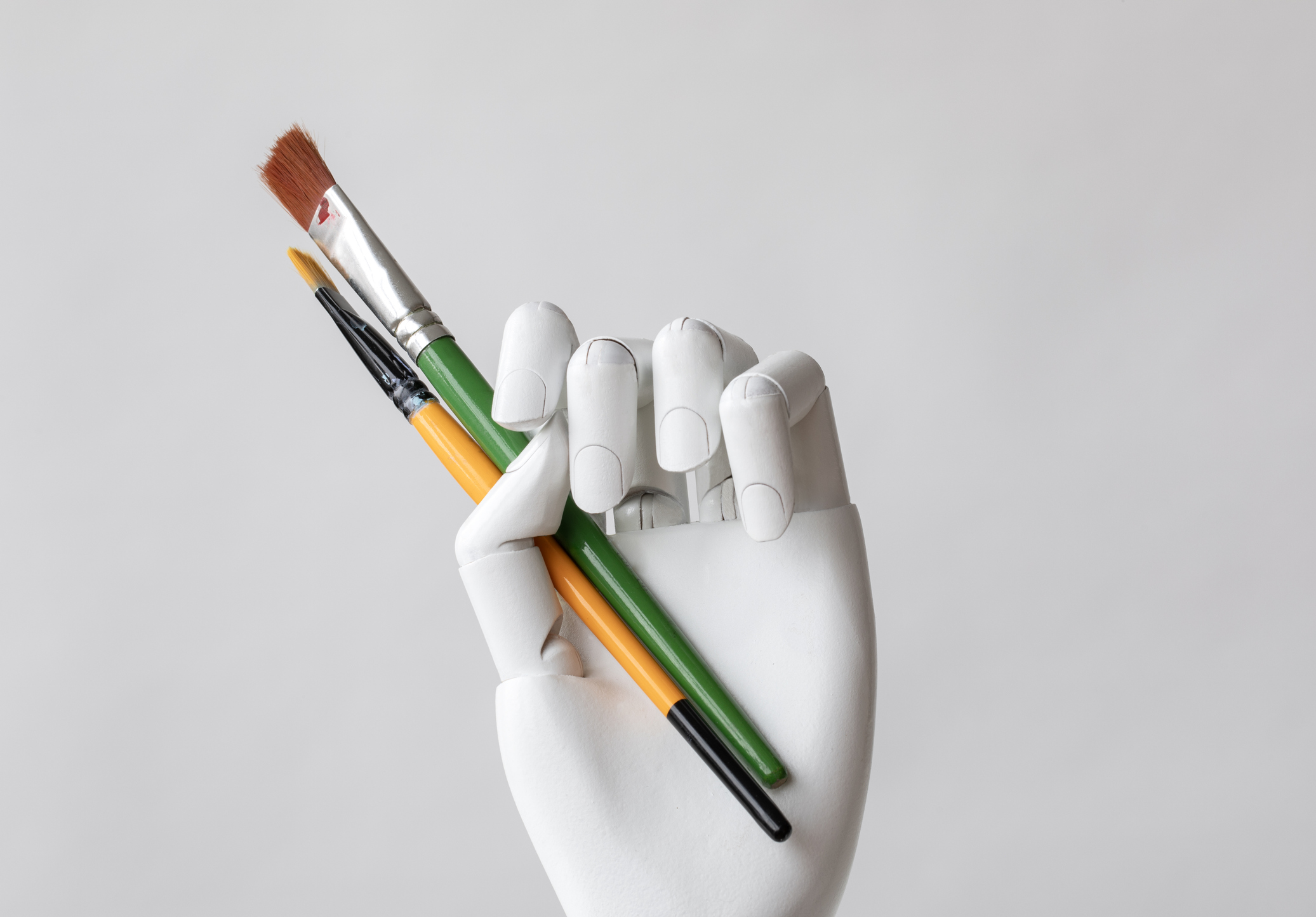
When examining a painting, it's possible to glimpse the artist's creative process. Beneath the final surface, there may be lines that were discarded, figures moved, or color choices that were later discarded. There might even be fingerprints or signs of repair on the back. These blemishes were once inconsequential, but now they serve as testament to the work.
AI can generate images in mere seconds, then produce hundreds more before an artist has the chance to refine their work. Some of these results are perplexing, while others seem unbelievable. However, their abundance is altering our perception of originality. When any visual concept can be generated with ease, novelty becomes simpler to produce, but more challenging to trust.
In an era of effortless imagery, the remnants of the creation process might become part of an artwork's value. Recent visual culture can be both new and oddly familiar, as generative systems draw from vast collections of existing images and assemble patterns based on statistical relationships. Their output can be startling, even if it appears familiar due to the system's fluency in creating cinematic, dreamlike, glossy, or impossible visuals.
After prolonged exposure, even the surreal can start to feel conventional. A study at the 2024 CHI Conference highlights this phenomenon. Participants who used an AI image generator during a visual brainstorming session became more attached to the first example and generated fewer ideas with less variety and originality than the control group.
This finding, while based on a small sample of 60 people, reflects the concerns many artists and designers have expressed: a tool designed to speed up imagination can also limit its scope by presenting a polished answer before a more complex, original idea has had the chance to emerge. Amidst this sea of effortless imagery, fine art gains a distinct quality.
A physical artwork occupies time and carries emotion. An artist stood before it, contemplated it, altered it, damaged it, waited for it, and eventually decided to either complete or discard it. The artwork becomes a record of choices, many of which were messy. The object becomes a testament to attention, and attention is becoming one of our most scarce resources.
Studies have shown that people value art labeled as "AI-made" less than work labeled as "human-made," even when the images are identical. The presence of a machine alters the perceived value of the human hand. This preference extends beyond art. A 2015 study found that people considered handmade objects more attractive because they believed they contained the maker's love.
Participants were projecting a sense of human presence onto objects, perceiving time and effort in their creation. The nostalgia for handmade items plays a role in this attraction. We remember darkrooms, paste-up boards, paint-stained clothes, and the tangible tools that digital technology has rendered obsolete. Despite this, the renewed importance of visible imperfections or the thrill of discovering an unrestrained line goes beyond nostalgia.
These blemishes allow us to envision the intentions and decisions behind the work. While AI can try to replicate these flaws, the authenticity of mess will soon matter less. Provenance and an intelligible creative process will become more crucial as appearance no longer signifies authenticity. As educated hands begin to use AI, it can still become a powerful artistic medium.
Photography and digital tools have previously disrupted ideas about skill and authorship before becoming vehicles for exceptional art. AI will be influenced by artists who make specific enough choices to resist its defaults. These artists may create works that we cannot yet imagine. The presence of a tool does not settle the question of artistic value; the depth and consequences of the decisions made with it still matter.
In a world of polished images and countless variations, the works we retain or collect may be those that reveal another person's limits—the places where control faltered or the artist had to give in to something unresolved. This growing nostalgia for mess may stem from a desire for evidence that making something still requires time, effort, commitment, and perhaps even love.
Written by urgent.news from Time's reporting — not their text. Machine-written — may contain errors; check the original before relying on it.