Tano South Assembly employs casual laborers, plans workforce expansion following Zoomlion exit
The Tano South Municipal Assembly has engaged limited casual workers for daily cleaning and is making plans to recruit additional personnel next year to plug the sanitation gap left by the expiration of the government's contract with Zoomlion Ghana Limited.
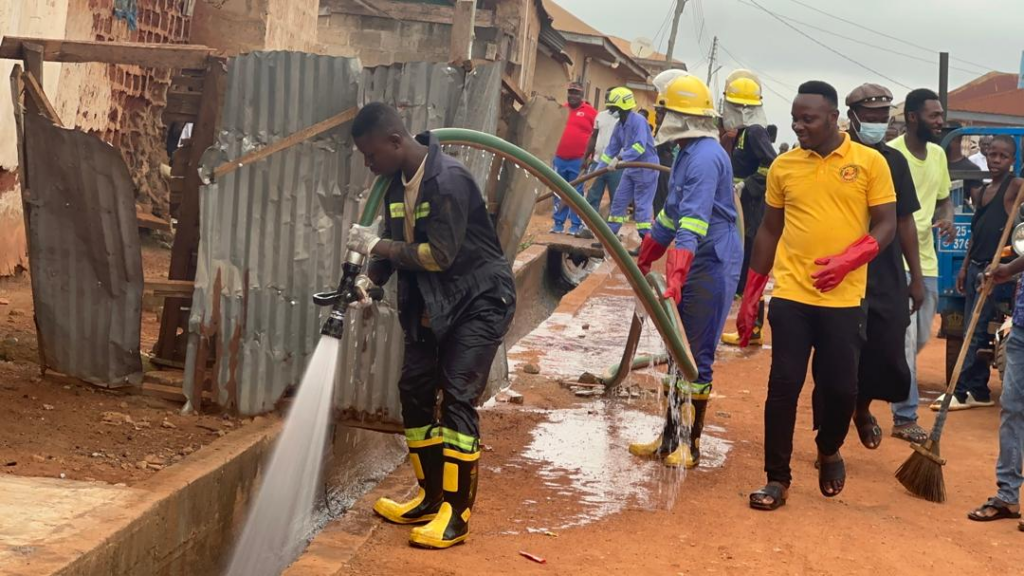
The Tano South Municipal Assembly has been utilizing a small number of casual laborers for daily cleaning duties, and is making plans to hire more staff next year to fill the gap left by Zoomlion Ghana Limited’s contract termination. Public areas such as streets, markets, and bus terminals have been left unclean for days due to the lack of sanitation workers following Zoomlion’s departure.
During a cleanup event on August 22, Tano South's Municipal Chief Executive (MCE) Emmanuel Kwame Frimpong stated that hiring casual laborers is a temporary measure to maintain basic sanitation standards, but hiring additional workers is necessary to address the long-term labor shortage. While the current casual workers are few and insufficient, having them on the ground is better than having no intervention at all.
Frimpong assured residents that plans are well underway to recruit additional casual staff under the sanitation component of the District Assemblies Common Fund (DACF) next year. Municipal Environmental Health Officer James Oware emphasized that daily cleaning is the most effective practice for sustainable waste management, and highlighted the negative impact of the worker shortage on Water, Sanitation, and Hygiene (WASH) practices.
Oware called on the central government to grant financial and policy clearances for local assemblies to hire adequate, full-time sanitation personnel, stating that Zoomlion’s exit has placed immense pressure on the assembly’s limited casual staff. Aligning with United Nations Sustainable Development Goals (UN SDGs) 3, 6, 8, and 11, the assembly's intervention addresses major public market and transit hub sanitation issues, yielding long-term financial and macroeconomic benefits for Ghana.
Preventing sanitation-related disease outbreaks reduces public healthcare infrastructure burdens, optimizes internally generated funds, and strengthens national human capital and workforce productivity, driving broader GDP growth. Decentralizing waste management solutions empowers local assemblies to create sustainable municipal job opportunities for local youth.
Written by urgent.news from MyJoyOnline Ghana's reporting — not their text. Machine-written — may contain errors; check the original before relying on it.